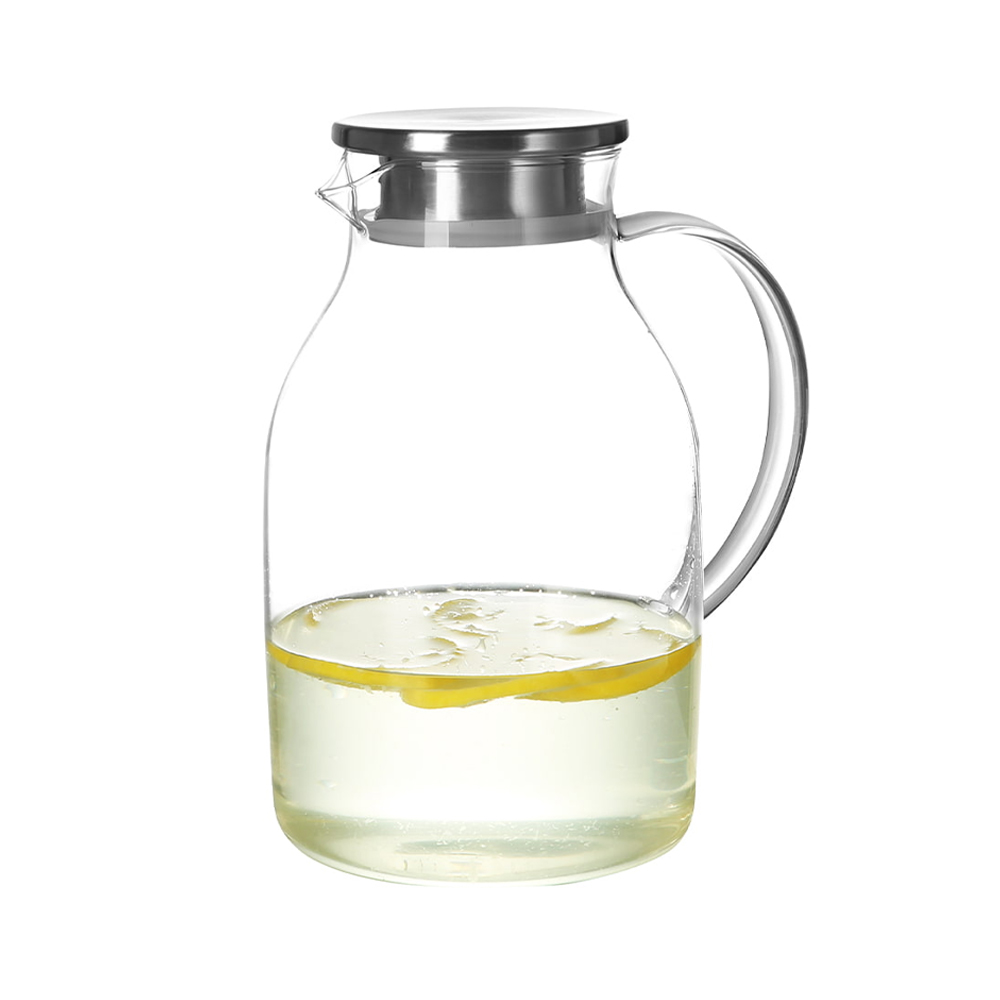
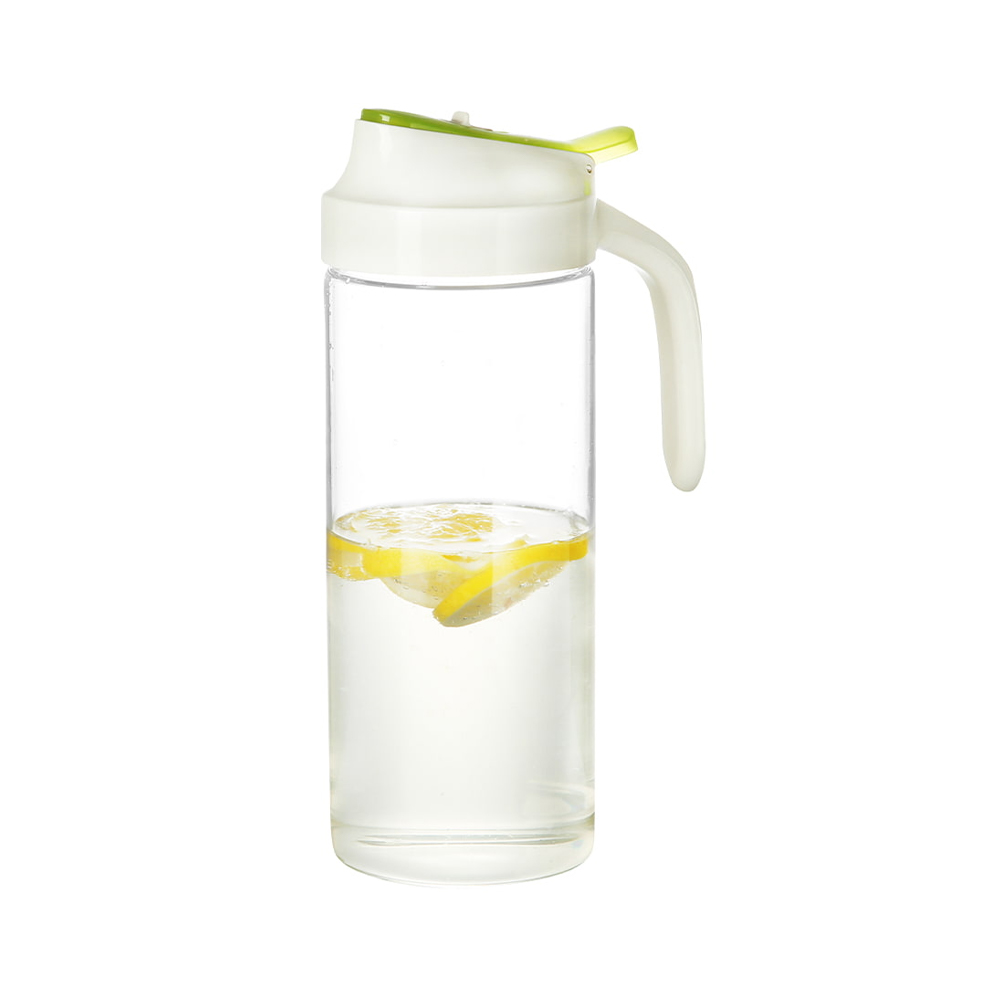
English
  日本語
日本語  Deutsch
  Español




What Is Borosilicate Glass Used For?
Borosilicate glass is used for laboratory glassware, pharmaceutical vials and ampoules, kitchen bakeware, double-wall coffee mugs, glass teapots, pour-over coffee brewers, vacuum food storage jars, pickle jars, spice containers, high-intensity lighting, solar thermal receiver tubes, electronics displays, and precision optical mirrors. The single physical property behind all these applications is an extremely low thermal expansion: when the glass is suddenly heated or cooled, it expands or contracts far less than ordinary glass, so it does not crack.
The short answer, then, is that both professionals and households choose borosilicate glass whenever heat resistance, chemical stability, and clarity matter more than raw material cost. In an average home, those applications appear in the kitchen: a double-wall mug, a pour-over carafe, a glass teapot, or a vacuum jar in the pantry. In industry, the same properties translate into process equipment, lighting, energy, and electronics.
This guide walks through the composition and properties behind those uses, compares borosilicate glass with soda-lime glass using concrete numbers, and then goes application by application so you can decide where it deserves the higher price.
What Is Borosilicate Glass Made Of?
Borosilicate glass is a silicate glass that carries a significant share of boric oxide in its molecular network. A typical formulation is roughly 70 to 80 percent silica (SiO2) and 7 to 13 percent boric oxide (B2O3), with smaller amounts of sodium oxide, potassium oxide, and aluminum oxide. These composition ranges are documented in the Wikipedia entry on borosilicate glass and in producer published data.
The material was developed in the late nineteenth century, most notably by Otto Schott in Jena, Germany, who systematically studied how oxide compounds change the behavior of glass. The presence of boric oxide lowers the thermal expansion coefficient dramatically, and that one factor is what separates borosilicate from everyday container glass.
In production, the raw batch is melted at roughly 1,500 to 1,650 degrees C, then formed by blowing, pressing, drawing, or casting. After forming, articles are annealed in a carefully controlled cooling schedule to remove internal stress. If you need a broader background, our entry-level explanation of what glass is clarifies how glass differs from other solid materials at the molecular level.
Key Properties That Explain Its Uses
Four physical properties explain nearly every use of borosilicate glass:
- Low thermal expansion: the expansion coefficient is about 3.3 x 10^-6 per kelvin, roughly one third of soda-lime glass, so the material can tolerate a sudden temperature difference of about 160 degrees C without cracking.
- High heat resistance: the softening point is near 820 degrees C, and most kitchen products can run continuously well above the boiling point of water.
- Chemical durability: high hydrolytic resistance and very low leachability are the reasons laboratories and pharmaceutical packaging rely on it.
- Optical clarity: visible light transmission above 90 percent and a refractive index around 1.47 make it useful in lenses, telescope mirrors, and display glass.
Because these four qualities combine in one body, borosilicate glass can be heated, chilled, and scrubbed with aggressive detergents without losing transparency or dimensional stability.
| Property | Borosilicate Glass | Soda-Lime Glass |
|---|---|---|
| Coefficient of thermal expansion | about 3.3 x 10^-6 / K | about 8.5 to 9.0 x 10^-6 / K |
| Thermal shock resistance | about 160 degrees C difference | about 50 to 60 degrees C difference |
| Softening point | about 820 degrees C | about 720 degrees C |
| Continuous service temperature | about 450 degrees C | about 150 degrees C |
| Chemical leachability | Very low | Moderate |
| Density | about 2.23 g/cm3 | about 2.5 g/cm3 |
| Visible light transmission | above 90 percent | about 88 to 90 percent |
| Relative price | Higher | Lower |
The thermal shock number matters most in practice. Ordinary glass works fine for jars and windows where temperatures stay stable, but it cracks quickly when boiling water hits a cold surface. Borosilicate handles exactly that scenario, which is why it dominates tea, coffee, and bakeware.
Kitchen Drinkware and Cookware: What Most People Buy It For
Drinkware and serving pieces
In an ordinary kitchen, borosilicate shows up in measuring cups, double-wall mugs, milk pitchers, mixing bowls, and serving dishes. The most popular format for daily use is the double-wall mug, where two layers of borosilicate glass trap a thin insulating air gap. Hot drinks stay hot for a noticeably longer time, and the outer surface remains comfortable to hold even with near-boiling liquid inside.
A well-made design in this category is the borosilicate double-wall glass mug, which is formed as a single fused piece without adhesives or fragile seams. Because the product does not rely on glue, there is no layer to peel and no material that can leak into the drink.
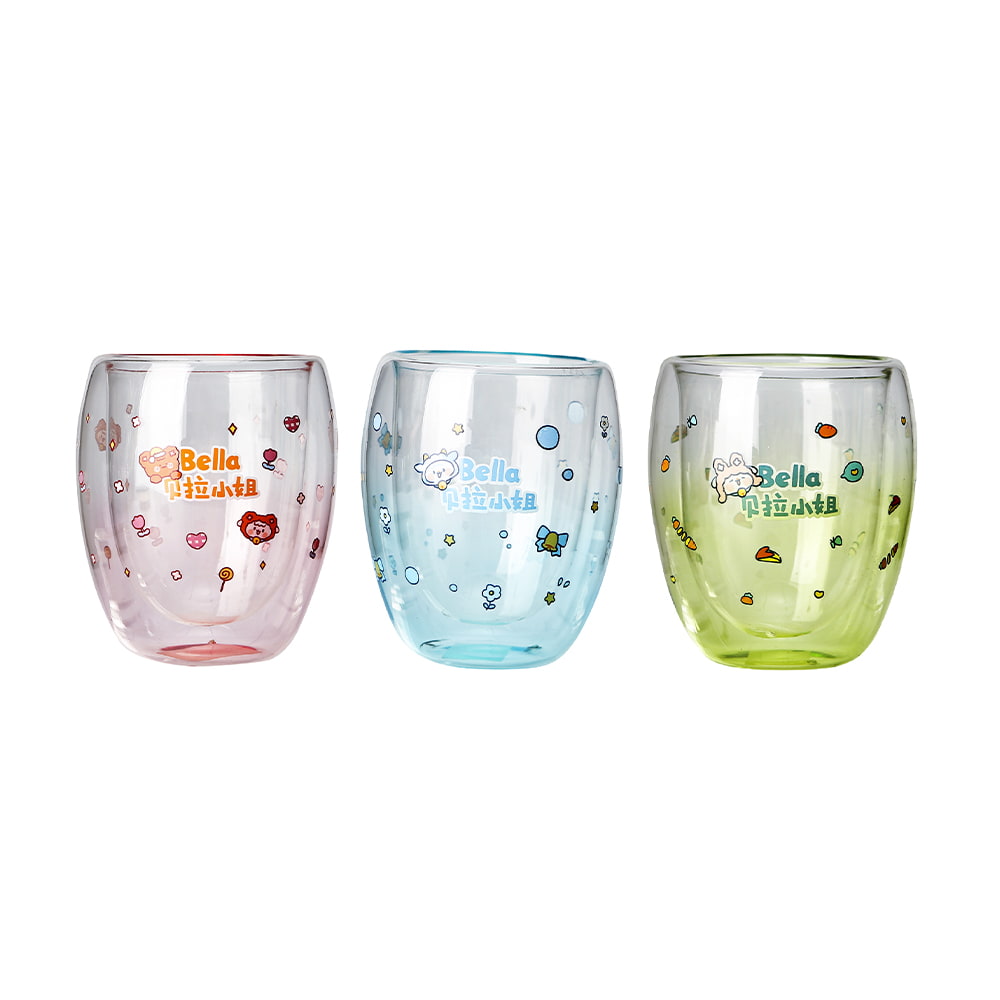 Custom Borosilicate Double Wall Glass Mug Suppliers, OEM/ODM Company - Yangzhou Yangzhou New Coordinate Household Articles Co., Ltd is China OEM/ODM Borosilicate Double Wall Glass Mug suppliers and custom Borosilicate...View Product →
Bakeware and oven-to-table pieces
Baking dishes, casserole pans, and pie plates in borosilicate glass can move from a cold refrigerator into a moderate oven, or from the oven onto a wooden countertop, without shattering. That flexibility matters in commercial kitchens, where speed and temperature changes are constant. The material is also easy to inspect for cracks, resistant to staining in the dishwasher, and free of the metallic taste that some metal pans add to acidic foods.
One caution: not every product labelled "heatproof glass" is borosilicate. Some cheaper items are soda-lime glass with a heatproof surface treatment that degrades over time. Verify the material before paying borosilicate-level prices.
Coffee and Tea Brewing Equipment
Specialty coffee equipment relies on borosilicate glass more than any other material. Pour-over brewers, siphon pots, French press bodies, and cold brew carafes are all made from it because the brewing process involves pouring near-boiling water into a vessel that may have just come out of the refrigerator. Soda-lime glass frequently cracks in this scenario; borosilicate is designed for exactly that kind of change.
Glass pour-over coffee makers are a clear example: the brewer body is transparent, so the user can watch the coffee bloom and drain, while the glass safely absorbs the temperature difference between the kettle and the cold server below.
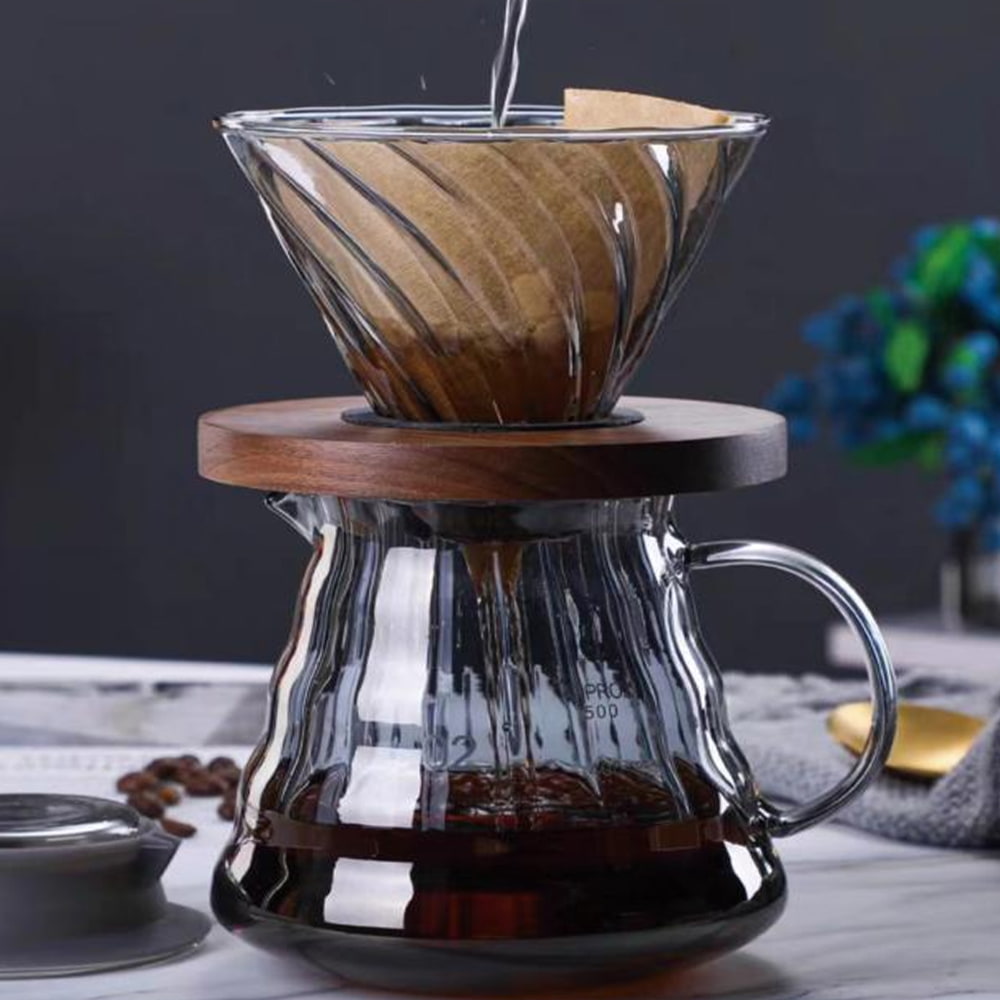 Custom Glass Pour Over Coffee Makers Suppliers, OEM/ODM Company - Yangzhou New CYangzhou New Coordinate Household Articles Co., Ltd is China OEM/ODM Glass Pour Over Coffee Makers suppliers and custom Glass Pour Over C...View Product →
Borosilicate also does not absorb coffee oils or tea tannins. A rinse with plain hot water is enough to remove flavor residue, so the next cup still tastes clean. This is a practical advantage over plastic brewers, which can retain odors and develop scratches over time.
Tea and kombucha brewing
Teapots with built-in filters and kombucha brewing jars use the same combination of clarity and thermal resistance. Watching tea steep through a transparent pot helps the brewer control strength, while the glass resists hot water and the mildly acidic environment of fermented tea. Citrus drinks and cold infusions benefit too; the acid in lemon can slowly etch soda-lime glass but leaves borosilicate untouched.
Food Storage and Preservation: Jars, Containers, and Lunch Boxes
Borosilicate glass food containers exist to isolate food from its environment. The glass resists the acids in tomato sauce, vinegar, and pickling brine without flavor transfer or hazing. Its non-porous surface gives bacteria and mold nothing to cling to, and a tight seal keeps oxygen out.
Vacuum storage and pickling
Vacuum storage jars made of borosilicate extend the shelf life of coffee beans, dried herbs, grains, and spices by reducing the oxygen left inside after each closing. Lower oxygen slows oxidation and keeps volatile aromatic compounds stronger for longer. Pickle jars in hourglass shapes handle high-moisture foods like pickles and kimchi; the sharp brine would slowly haze ordinary glass and weaken it over time, while borosilicate stays chemically neutral in this environment.
Borosilicate glass vacuum storage jars combine this chemical neutrality with an air-reduction lid, which makes them one of the most practical options for pantry use.
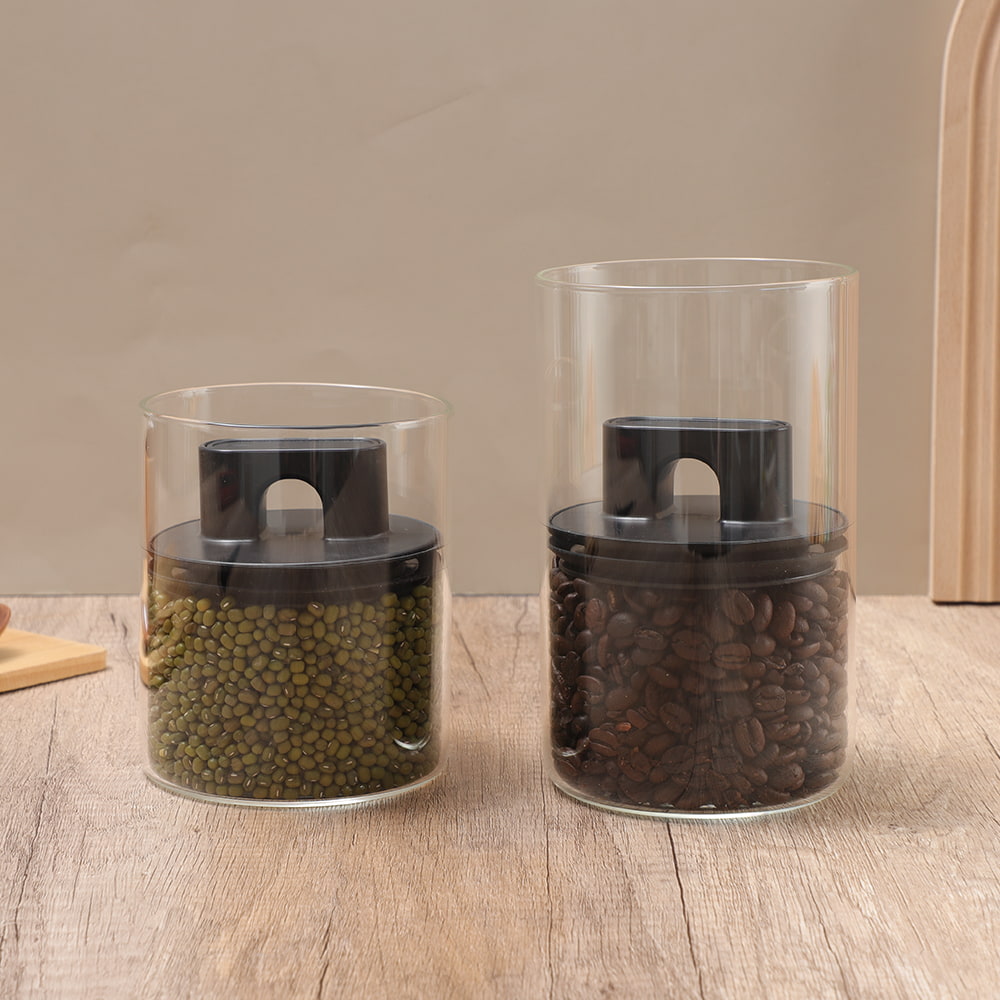 Custom Vacuum Storage Jar - borosilicate glass (Air reducer) Suppliers, OEM/ODM Yangzhou New Coordinate Household Articles Co., Ltd is China OEM/ODM Vacuum Storage Jar - borosilicate glass (Air reducer) suppliers and ...View Product →
For a practical overview of jar types, lid systems, and sealing behavior, see our comprehensive guide to glass storage jars. If you are comparing materials for a new product line, a separate industry note explains the advantages of glass storage jars over plastic and soda-lime alternatives.
Laboratory, Medical, and Pharmaceutical Use
In scientific laboratories, borosilicate is the default material for beakers, Erlenmeyer flasks, test tubes, graduated cylinders, boiling flasks, reagent bottles, and desiccators. The Wikipedia entry on borosilicate glass describes it as "commonly used for the construction of reagent bottles and flasks." The reasons are threefold: the glass resists attack from acids, bases, and solvents; it survives repeated sterilization cycles at about 121 degrees C; and appropriately rated pieces can be heated directly over a burner.
Pharmaceutical vials and ampoules for injectable medicines are also made from borosilicate because the glass does not release alkali ions into the liquid inside. This high hydrolytic resistance keeps the medicine stable during storage. The same logic applies to veterinary clinics, diagnostics laboratories, and food-testing facilities: when a test result depends on a clean vessel, the vessel itself must not contaminate the sample.
Laboratory supply catalogs offer borosilicate in many color and shape variants, but the chemistry is always the same: low expansion, high purity, and a neutral surface that does not interact with the substance it contains.
Industrial, Electronics, and Energy Applications
Industrial uses of borosilicate glass go far beyond the kitchen. The same properties that protect a teapot also protect machines and energy infrastructure that operate at far higher temperatures.
Lighting and optics. High-intensity discharge lamps, stage lighting, projector lamps, and marine lanterns use borosilicate envelopes because the lamp runs hot and must not crack when rain or spray hits the surface. Borosilicate lenses and prisms also keep their shape at high temperatures, which is why professional optical systems rely on it. With a refractive index around 1.47, the glass is optically quiet, which simplifies certain lens designs.
Electronics and display technology. Borosilicate substrates are used for liquid crystal panels and OLED encapsulation because low thermal expansion keeps glass plates dimensionally stable through repeated hot process steps. Semiconductor processing equipment and precision molds use borosilicate for the same reason.
Solar energy. Solar thermal power plants use borosilicate receiver tubes inside parabolic trough collectors. The tube forms a vacuum around a metal absorber pipe and must transmit sunlight while resisting high temperatures and repeated temperature swings for decades.
Fiberglass and insulation. One of the largest technical applications, according to the ScienceDirect materials overview, is insulating glass wool and textile fiberglass. These fibers are spun from borate-containing glass formulations and show up in building insulation, filtration media, and composite reinforcement.
Hazardous waste confinement. Specially formulated borosilicate compositions are used to convert hazardous industrial liquid waste into a durable glass monolith through high-temperature vitrification. Low leachability and long-term chemical stability are exactly the properties required for that role.
Art, Craft, and Home Decoration
Beyond function, borosilicate glass has been a working material for artists since the early twentieth century. Lampworking turns borosilicate rods and tubes into beads, marbles, pendants, and sculptures, because the glass survives the heat of the torch and the rapid temperature difference between the flame and the workbench.
In home decoration, borosilicate appears in hourglass timers, flower vases, candle holders, aroma diffuser bottles, and decorative bowls. These products gain from the same water-clear appearance as fine crystal, but tolerate hot water and candle heat without cracking. The color is neutral and bright, which means colored pigments stay accurate in the final piece.
How to Tell If a Glass Product Is Really Borosilicate
- Check the marking. Genuine borosilicate pieces usually carry a sandblasted or laser-etched mark on the base, such as "borosilicate" or "boro 3.3". If the material name appears only on a peelable paper label, treat the product with suspicion.
- Weigh the item. Borosilicate is noticeably lighter than soda-lime glass of the same volume, about 2.23 g/cm3 versus 2.5 g/cm3. A heavy "heatproof" jar is more likely to be ordinary glass.
- Run a controlled thermal test. On a new, unused item, place the container in boiling water for one minute, then transfer it to room-temperature water. Borosilicate survives; soda-lime glass frequently cracks. Never test a cracked or damaged piece, and wear protective gloves.
- Compare the price. Borosilicate products typically cost about 30 to 60 percent more than soda-lime equivalents at retail. If the price is identical, the material is probably not borosilicate.
- Look at the edge against white paper. Borosilicate looks colorless and neutral, while lower-grade glass often shows a faint green or blue tint from iron impurities.
Limitations: When Borosilicate Glass Is Not the Right Choice
Borosilicate is not unbreakable. It resists temperature changes, not physical blows. A drop on a hard floor or a sharp impact on a chipped rim will shatter any glass, and borosilicate is no exception. If impact resistance matters more than heat resistance, tempered glass or food-grade plastic is the safer material.
Borosilicate is also unnecessary for stable-temperature applications. A decanter, a windowpane, or a decorative bowl never faces a strong thermal shock, so soda-lime glass does the job at a lower cost. Buyers should spend the borosilicate premium only on products that experience hot liquid, acid, or rapid temperature changes.
Finally, not every borosilicate product handles the same oven temperature. Wall thickness, shape, rim quality, and internal stress all affect the limit. Check the product's marked temperature rating before using it in an oven or microwave, and never place a cold product straight into a hot oven.
Practical Buying Considerations for Household Glassware
For procurement managers and e-commerce sellers, the borosilicate versus soda-lime question shows up in customer returns. Thermal crack claims are among the most common reasons for glass product returns, and they are rare when the glass is genuinely borosilicate.
- Ask for the glass grade in writing. Request the coefficient of thermal expansion and the composition from the supplier, not just the marketing name "heatproof".
- Inspect rim seals on double-wall products. If the two fused walls are not tight at the edge, moisture and detergent creep into the gap and create an ugly stain after months of dishwasher use.
- Test the lid seal on storage jars. A perfect glass body is useless if the lid permits air. Fill the jar with water, close it, and turn it upside down for a full minute.
- Confirm wall thickness tolerance for ODM and OEM orders. Thin spots in the rim survive less thermal shock, and consistent thickness across the batch is a sign of stable factory control.
- Compare samples side by side. Run the same thermal test on samples from two factories and observe which glass stays clear, which cracks, and which shows micro-cracks at the rim before a full break.
Frequently Asked Questions About Borosilicate Glass
Is borosilicate glass safe for hot drinks and cooking?
Yes. The material does not release heavy metals or other substances into food or drinks during normal use. Its chemical durability means it remains stable with boiling water, acids in food, and dishwasher detergents. That is the same reason the pharmaceutical industry uses it as a primary packaging material.
Can borosilicate glass go inside an oven or microwave?
Many borosilicate products are marked oven-safe up to a specific temperature, commonly 250 or 300 degrees C, but the limit depends on the shape, wall thickness, and manufacturing quality. Always follow the product's temperature marking. Borosilicate is also generally safe in a microwave, unless the product includes metal parts such as a metal filter.
What is the difference between borosilicate glass and tempered glass?
Borosilicate is a distinct glass composition designed for low thermal expansion. Tempered glass is ordinary glass that is heated and then rapidly cooled to compress its surfaces. Tempered glass is stronger against impact, but once it is scratched or chipped, its internal stress can make it shatter suddenly. Borosilicate outperforms tempered glass in thermal shock resistance but is not as impact-resistant.
Does borosilicate glass contain lead?
No. Standard borosilicate glass is made from silica, boric oxide, soda, and alumina, and it does not contain lead. Some lead-containing decorative crystal is a different glass family and should not be confused with borosilicate. The distinction is documented in standard composition tables available in public materials databases.
Can borosilicate glass break?
Yes. It can break if dropped on its edge, struck on a chip, or exposed to a temperature difference beyond the rated limit of that specific wall thickness. "Heat resistant" and "unbreakable" are different concepts; a good-quality borosilicate product is thermal-shock resistant, not shatterproof.
Is borosilicate glass worth the higher price?
For products that see boiling water, vinegar-based foods, or laboratory-grade cleaning, yes. The extra cost typically runs roughly 30 to 60 percent above soda-lime glass at retail, but it returns in lower replacement frequency and cleaner taste. For stable-temperature decor, soda-lime glass is sufficient.
The Bottom Line
Borosilicate glass is one of the few materials that combine transparency, heat resistance, chemical neutrality, and low thermal expansion in a single body. Laboratory vessels, pharmaceutical packs, coffee brewers, bakeware, storage jars, lighting, and solar collectors all rely on it for one root reason: sudden temperature changes do not destroy it.
When you buy glassware, check the material mark, weigh the price against the performance, and reserve the borosilicate budget for products that face heat or acid. When you plan a new product line, a qualified household glass factory can produce stock borosilicate items or customize dimensions, wall thickness, and lid systems under an ODM/OEM arrangement.