
 English
  日本語
日本語  Deutsch
  Español




How to Stop Sliced Apples from Turning Brown: Proven Methods That Work
Content
- 1 Why Do Sliced Apples Turn Brown?
- 2 The Best Method: Salt Water Soak
- 3 Six Other Methods That Actually Work
- 4 How to Store Sliced Apples So They Stay White and Crisp
- 5 Apple Varieties That Resist Browning Longer
- 6 Seven Mistakes That Make Sliced Apples Brown Faster
- 7 Why Glass Containers Pair Best with Soaked Apple Slices
- 8 Frequently Asked Questions
- 8.1 How long do sliced apples stay white after a salt water soak?
- 8.2 Does lemon juice keep apples from browning as well as salt water?
- 8.3 Can I use table salt or do I need kosher salt?
- 8.4 Are brown apple slices safe to eat?
- 8.5 Do airtight containers stop browning without a soak?
- 8.6 What is the fastest way to keep apple slices from turning brown?
- 8.7 Can I soak apple slices overnight in salt water?
- 9 The Final Word
A 10-minute salt water soak is the only method you need to stop sliced apples from turning brown. Mix 1/2 teaspoon of salt into 1 cup of cold water, let the apple slices sit in it for 5 to 10 minutes, rinse them once, and store them in an airtight container in the fridge. In a seven-method comparison run by The Kitchn, the salt water soak kept apples visibly whiter and crisper than lemon juice, fruit preservers, and plain water. Serious Eats independently tested the same approach and recommends a 10-minute soak at a ratio of 1/2 teaspoon of kosher salt per cup of water. Both sources agree that rinsing after the soak removes the salty taste while leaving enough salt on the surface to slow the browning reaction.
This guide explains why apples brown, gives exact ratios for salt water and six other tested methods, shows you how to store soaked slices for up to five days, and points out the container choices that keep sliced apples fresh for school lunches and meal prep.
Why Do Sliced Apples Turn Brown?
Browning is an enzymatic reaction, not a sign of spoilage. Apples contain an enzyme called polyphenol oxidase (PPO), which lives inside the cells. When you slice an apple, you break those cell walls. The enzyme mixes with phenolic compounds in the fruit and with oxygen in the air, producing quinones that clump together into brown pigments. The same reaction turns avocado, banana, and pear flesh brown after cutting.
Three conditions must be met for browning to occur:
- The enzyme (PPO) must come into contact with phenolics, which happens as soon as cells are ruptured.
- Oxygen must be available on the cut surface.
- The temperature must be within the enzyme's active range, roughly 20 to 40 degrees Celsius (68 to 104 degrees Fahrenheit).
This explains why every useful anti-browning technique attacks one of those three conditions. Acidic solutions like lemon juice change the pH so the enzyme cannot work efficiently. Salt water disrupts the enzyme's structure. Refrigeration slows the reaction. An airtight container limits oxygen. Most methods combine two of these effects.
The Best Method: Salt Water Soak
Salt water wins because it balances effectiveness, cost, speed, and taste. Sodium chloride at a concentration of roughly 0.5 to 1 percent interferes with the active site of polyphenol oxidase, preventing the enzyme from catalyzing oxidation. The salt also creates a mild osmotic effect that pulls water to the surface, which dilutes the phenolics available for the reaction. When the slices are rinsed afterward, the residual salt level is low enough that the apple still tastes like an apple.
| Water volume | Fine table salt | Soak time |
|---|---|---|
| 1 cup (240 ml) | 1/2 teaspoon (3 g) | 5-10 minutes |
| 2 cups (480 ml) | 1 teaspoon (6 g) | 5-10 minutes |
| 4 cups (960 ml) | 2 teaspoons (12 g) | 5-10 minutes |
- Dissolve the salt fully in cold water before adding the apples.
- Submerge the slices completely; weigh them down if they float.
- Soak for at least 5 minutes, up to 10 minutes for thicker wedges.
- Rinse the slices under cold running water for 10 to 15 seconds.
- Shake off excess water or pat dry with a clean towel.
- Pack in an airtight container and refrigerate.
In a test documented by The Kitchn, slices prepared this way and stored in a sealed container in the fridge stayed visually fresh for up to five days. That makes it the strongest option for Sunday meal prep or for slicing apples the night before a school lunch. If you use kosher salt, use slightly less than the amounts above because its larger crystals are less dense by volume than fine table salt.
Six Other Methods That Actually Work
The salt water soak is the baseline, but you may prefer another method because of flavor, dietary needs, or what you have on hand. The University of Illinois Extension lists ascorbic acid and fruit juice dips as reliable options, and the home kitchen test from Just a Taste compared salt water, lemon juice, fruit preserver powder, and apple juice directly. Here are the tested ratios and what you can expect from each.
| Method | Ratio | Soak time | Protection window | Flavor effect |
|---|---|---|---|---|
| Lemon juice | 1 tablespoon juice per 1 cup water | 5 minutes | 1-2 days refrigerated | Tart and citrusy; best if lemon flavor fits the dish |
| Honey water | 2 tablespoons honey per 1 cup water | 5 minutes | 2-3 hours at room temperature | Slightly sweet; honey contains peptides that suppress the enzyme |
| Ascorbic acid | 1/4 teaspoon pure vitamin C powder per 1 cup water | 5 minutes | 3-4 days refrigerated | Mild tartness; the industry standard for prepared fruit |
| Citrus fruit juice | Grape, orange, lime, or pineapple juice, undiluted | 5-10 minutes | Several hours | Adds fruit flavor; orange and pineapple are the sweetest options |
| Apple juice | 100% apple juice, undiluted | 5 minutes | A few hours | Sweet and neutral; the Just a Taste test ranked it as the least effective |
| Club soda | Use straight from the bottle | 5 minutes | 2-3 hours | Very subtle; carbonic acid temporarily lowers the surface pH |
The table is arranged roughly from strongest to weakest protection. If you need slices to stay white overnight, lemon juice and ascorbic acid are acceptable backup choices, but salt water remains the most reliable because it does not introduce a competing flavor.
How to Store Sliced Apples So They Stay White and Crisp
The best anti-browning soak is wasted if you store the slices poorly. After the soak and rinse, the slices should go into a cold, sealed container with minimal air space. A refrigerator set between 33 and 40 degrees Fahrenheit (1 to 4 degrees Celsius) keeps the enzyme nearly inactive, and a properly sealed container keeps new oxygen away from the cut surfaces.
- Use an airtight container with a tight lid; the seal matters more than the material.
- Line the bottom of the container with a dry paper towel to absorb excess moisture from the rinse.
- Pack slices in a single layer when possible; stacked slices trap moisture and soften faster.
- Keep the container in the main body of the refrigerator, not in the door, where temperatures fluctuate.
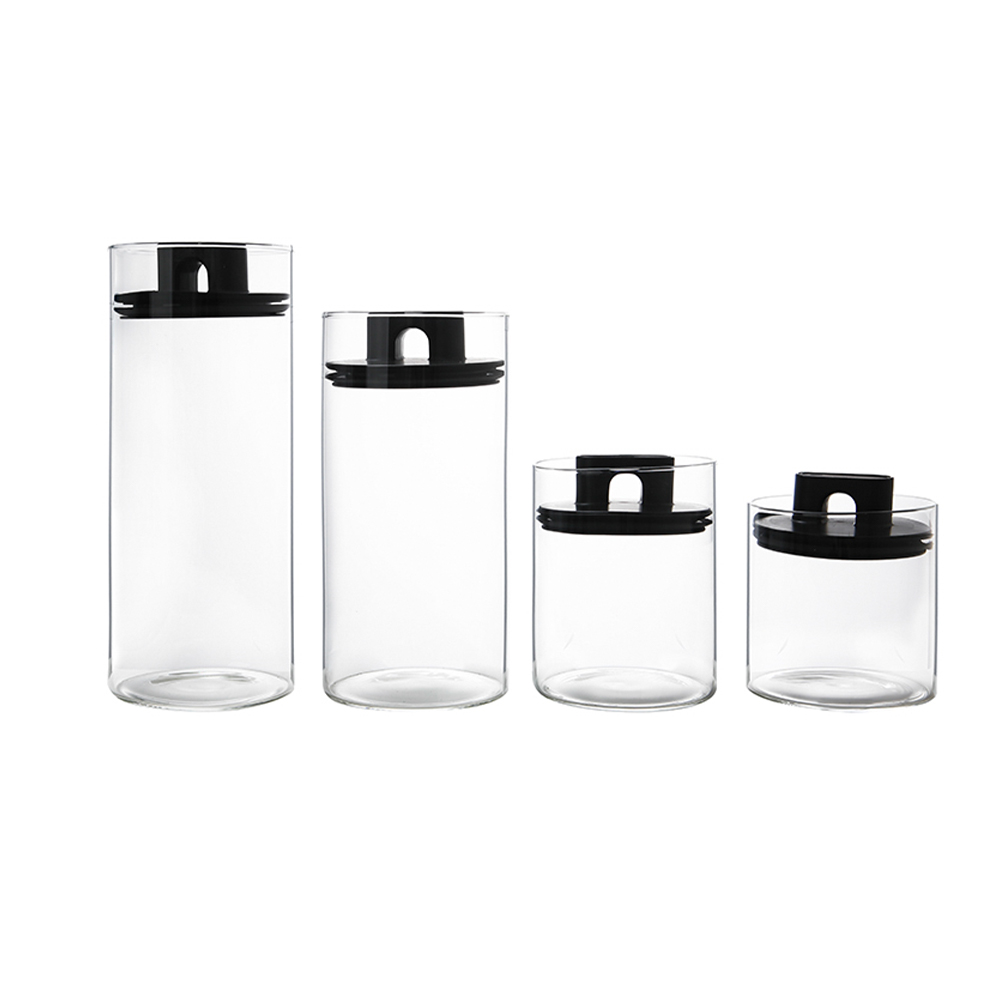
An airtight glass container with a silicone gasket is the most practical everyday option. The container should be just large enough to hold the slices in one or two layers, because extra air space leaves more oxygen available for the reaction.
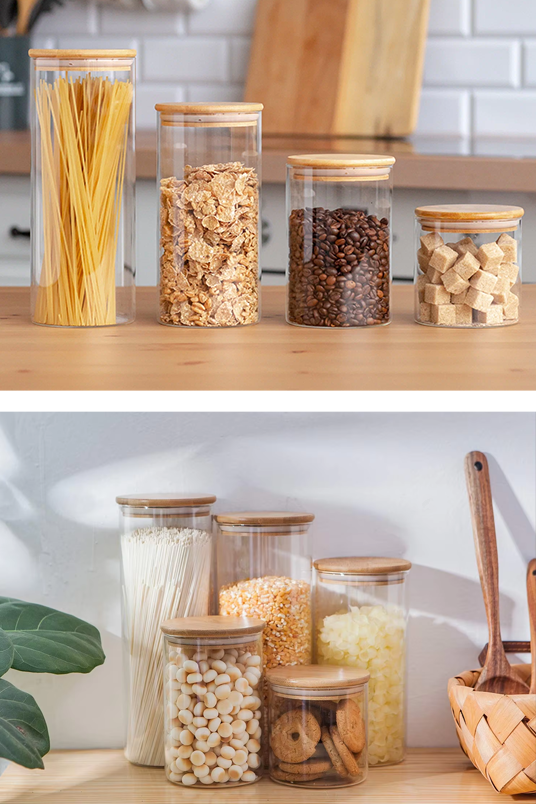 Airtight Glass Food Storage Containers with Silicone GasketThis glass container from New Coordinate features a silicone gasket for an airtight seal, ideal for keeping sliced apples fresh in one or two layers while minimizing oxygen exposure.View Product →
For packed lunches, a compartment-style glass lunch box keeps sliced apples separate from sandwiches or dips, so the fruit does not pick up other odors and the seal stays intact during the whole commute.
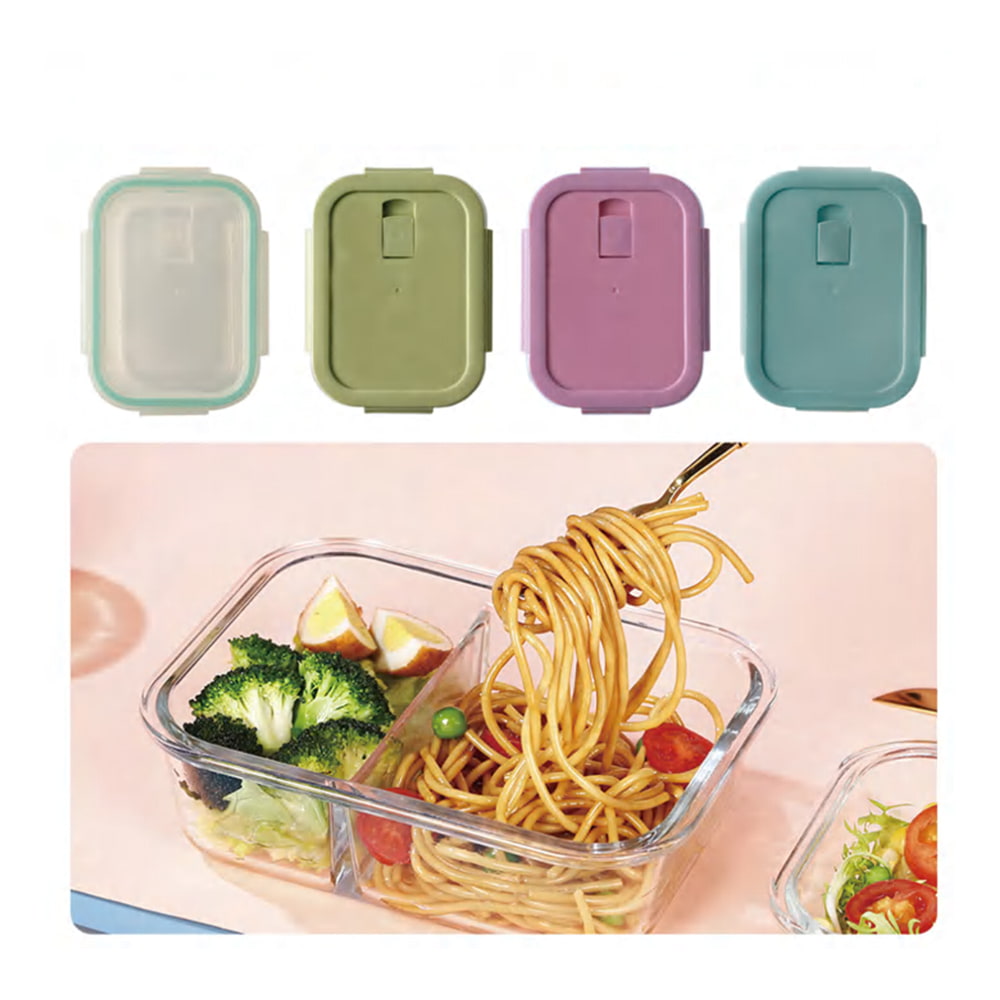 Compartment-Style Glass Lunch Box for Packed LunchesThis borosilicate glass lunch box with snap-lock lids and a detachable silicone ring keeps sliced apples separate from other foods, preserving taste and preventing odor transfer during commutes.View Product →
If you want to push the storage window beyond a day or two, removing most of the remaining oxygen gives you extra hours of white flesh. Vacuum-style glass jars are designed for exactly this job and pair well with prepped fruit.
Apple Varieties That Resist Browning Longer
Variety is not a substitute for a soak, but it changes how quickly you need to act. The amount of polyphenol oxidase and phenolic compounds varies from cultivar to cultivar, and so does acidity. Apples with higher natural acidity, such as Granny Smith, slow the enzyme before any treatment is added. Soft-fleshed varieties with lower acid, such as McIntosh and Red Delicious, brown faster on the same cutting board under the same conditions.
| Variety | Browning speed | Reason |
|---|---|---|
| Granny Smith | Slow | High acid content keeps the surface pH low |
| Honeycrisp | Slow to moderate | Dense flesh limits oxygen penetration |
| Fuji | Moderate | Balanced acid and sugar profile |
| Gala | Moderate | Average PPO activity |
| Red Delicious | Fast | Higher phenolic content and softer flesh |
| McIntosh | Fast | Tender flesh releases more enzyme when cut |
A practical application: if you are serving apple slices with cheese at a dinner party, choose Granny Smith or Honeycrisp and you can cut them an hour ahead with just a plain water rinse. If you are meal-prepping Red Delicious slices for five school lunches, use the salt water soak and a vacuum jar, because that variety starts with a disadvantage.
Seven Mistakes That Make Sliced Apples Brown Faster
Even with a proven method, small errors cut your protection window dramatically. These are the most common mistakes seen in everyday kitchens and in recipe testing:
- Skipping the rinse after a salt water soak. The surface tastes salty, and many people then wash the slices with plain water right before serving, which removes the protective salt and triggers rapid browning. Rinse once immediately after the soak instead.
- Using warm water. Enzyme reaction rates generally follow a Q10 rule of about 2, meaning PPO activity roughly doubles for every 10-degree-Celsius rise in temperature. Warm water accelerates the browning reaction before the salt has time to work.
- Slicing too thinly. More cut surface area means more exposed enzyme and phenolics. Thick wedges stay white longer than paper-thin slices.
- Leaving the container open in the fridge. Refrigeration slows the enzyme but does not stop it. Without an airtight seal, oxygen continues to feed the reaction all night.
- Soaking for more than 15 minutes. The fruit absorbs water, the flesh becomes waterlogged, and the texture turns soft even though the color stays white.
- Storing at room temperature. At 20 to 25 degrees Celsius (68 to 77 degrees Fahrenheit), the enzyme is close to peak activity. A cut apple left on the counter can brown noticeably in under 10 minutes.
- Cutting apples too far ahead without any protection. Even the slowest-browning variety will eventually oxidize; always pair variety choice with a soak and a cold sealed container.
Why Glass Containers Pair Best with Soaked Apple Slices
The container you choose has a measurable effect on how long sliced apples stay white. Glass is a practical choice for this job because it is non-porous, does not absorb apple aromas, and lets you inspect the slices for browning without opening the lid and letting oxygen in. A glass body also stays cold in the fridge more evenly than thin plastic containers, which helps maintain a stable temperature around the fruit.
When you need a longer window, a vacuum storage jar removes most of the remaining oxygen after sealing. Air is one of the three conditions required for the browning reaction, so lowering oxygen tension buys you extra hours of white flesh. Several industry publications confirm that well-sealed glass storage jars can extend the shelf life of cut fruit, which is why commercial kitchens preparing fruit platters rely on them.
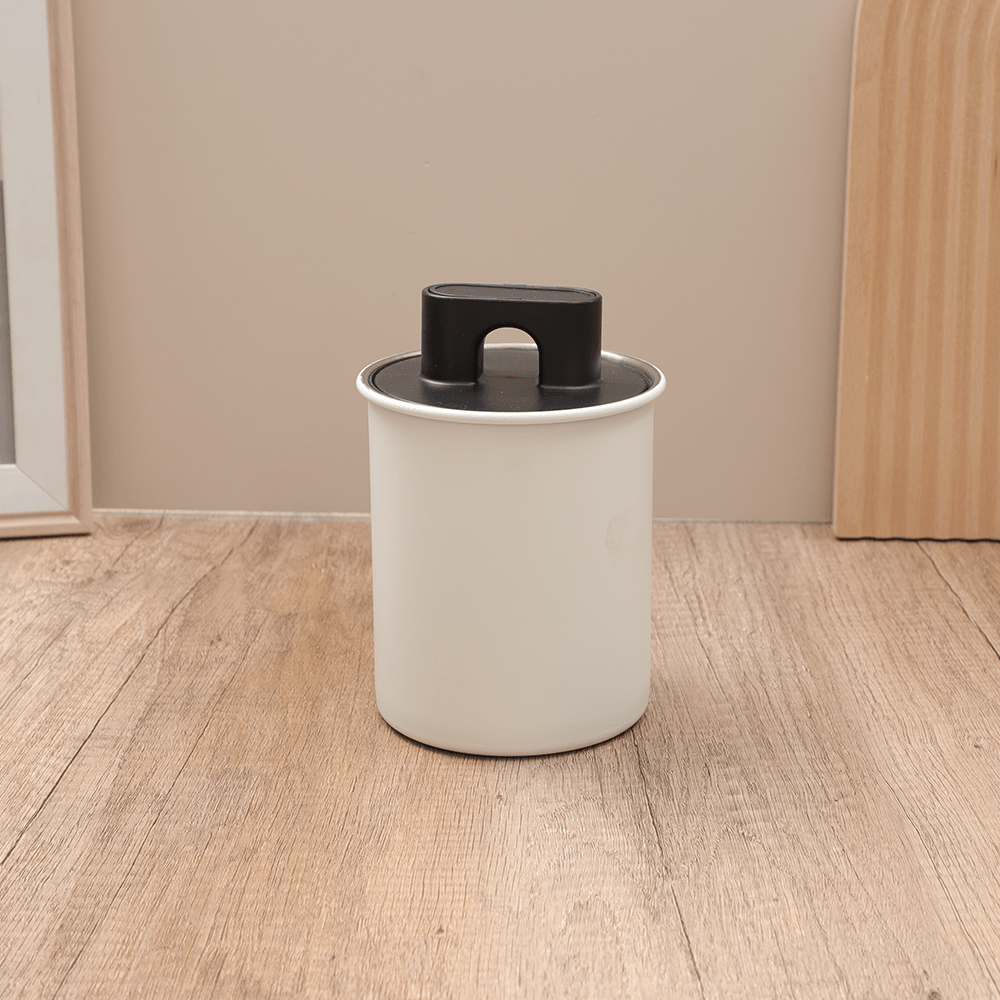 Stainless Steel Vacuum Storage Jar with Air ReducerThis vacuum jar with a rocker lid expels air to create an almost-vacuum seal, reducing oxygen to extend the freshness of cut fruit beyond a day or two, as used in commercial kitchens.View Product →
The practical setup for weekly apple prep is simple: slice, soak in salt water, rinse, shake dry, layer into a glass airtight container with a paper towel underneath, and refrigerate. For lunches, pack the soaked slices into a glass lunch box in the evening and seal it; the airtight lid keeps the slices white and crisp until the next day.
Frequently Asked Questions
How long do sliced apples stay white after a salt water soak?
In kitchen tests documented by The Kitchn and Serious Eats, properly soaked, rinsed, and refrigerated apple slices stayed visibly fresh for up to five days. Most home users see excellent results for two to three days, which is enough for weekday lunch prep.
Does lemon juice keep apples from browning as well as salt water?
Lemon juice works because citric acid and vitamin C lower the surface pH and act as antioxidants, but it is less effective over long storage and leaves a tart flavor. In the seven-method test from The Kitchn, salt water outperformed lemon juice for both color retention and taste neutrality.
Can I use table salt or do I need kosher salt?
Table salt works fine and dissolves quickly. Because table salt is denser than kosher salt, use slightly less: 1/2 teaspoon of fine table salt per cup of water gives the same effect as 1/2 teaspoon of kosher salt, so do not heap the spoon.
Are brown apple slices safe to eat?
Yes. Enzymatic browning is a cosmetic change; the apple is still safe to eat. Texture and flavor may shift slightly, but the browning itself does not indicate microbial spoilage. If the slices become slimy, develop an off odor, or show mold, discard them.
Do airtight containers stop browning without a soak?
They slow browning by restricting oxygen, but they do not stop it. The enzyme is already active on the cut surface and the trapped air still contains oxygen. Combine an airtight container with a salt water soak for the longest protection.
What is the fastest way to keep apple slices from turning brown?
The salt water soak is the fastest reliable method. Mix 1/2 teaspoon of salt into a cup of cold water, soak for 5 minutes, rinse, and store. Total time is around 7 minutes including cleanup.
Can I soak apple slices overnight in salt water?
No. Five to ten minutes is enough to stop browning. Leaving slices in water overnight causes the flesh to absorb excess liquid, making it waterlogged and mealy even though the color stays white.
The Final Word
Salt water is the answer, and an airtight glass jar is the partner. Soak slices for 5 to 10 minutes in 1/2 teaspoon of salt per cup of cold water, rinse, pack into a sealed glass container, and refrigerate. This combination gives you up to five days of white, crisp apple slices for school lunches, office snacks, and party platters. No special powder, no lemon aftertaste, no complicated steps.
Keep the ratio on your counter, keep the container sealed, and you can prepare a week of apple snacks in less than fifteen minutes of total work.
Recommended Products
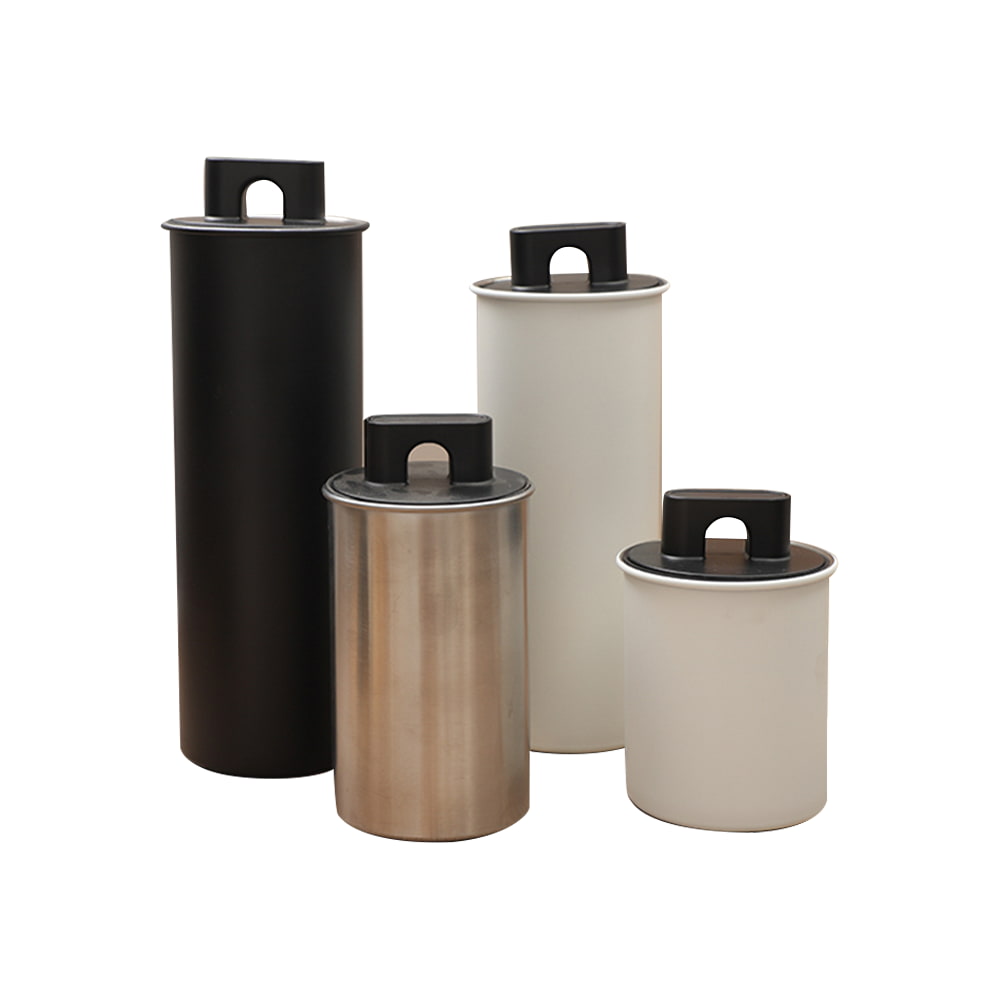


- PRODUCT
- Glass Storage Jar
- Glass/Stainless Steel Drinking ware
- Kitchen Seasoning Containers
- Home Decoration
- QUICK LINKS
- Products
- About Us
- Manufacture
- ODM/OEM
- News
- Contact Us
- CONTACT US
-
-
 7 Crystal Boulevard xi’an Feng Town, Baoying County,Jiangsu, China.
 -
 WhatsApp:
+86-18083783456
+86-15005252638 -
 +86-18083766162
+86-18083783456
+86-15895746638
+86-0514-8866-8898
-
 joy@nchousewares.com
Jack@nchousewares.com
julia@nchousewares.com
-
- CONTACT

