
 English
  日本語
日本語  Deutsch
  Español




How Many Ounces Are in a Mason Jar? Complete Guide to Every Size from 4 oz to 64 oz
Content
- 1 The Short Answer: 4 to 64 Ounces, With 16 and 32 as the Standards
- 2 Complete Mason Jar Capacity Chart
- 3 Regular Mouth vs Wide Mouth: Same Ounces, Different Opening
- 4 What the Size Names Actually Mean
- 5 Choosing the Right Ounce Size for Each Job
- 6 Headspace: Why a 16 oz Jar Does Not Hold 16 oz of Food
- 7 Height, Diameter, and Why Dimensions Matter
- 8 Frequently Asked Questions About Mason Jar Ounces
- 8.1 How many ounces are in a standard mason jar?
- 8.2 How many cups does a 32 oz mason jar hold?
- 8.3 How many milliliters are in a 16 oz mason jar?
- 8.4 Are regular mouth and wide mouth lids interchangeable?
- 8.5 Does a 16 oz jar actually hold 16 oz of liquid?
- 8.6 Can you freeze food in a mason jar?
- 8.7 What is the best mason jar size for overnight oats?
The Short Answer: 4 to 64 Ounces, With 16 and 32 as the Standards
A pint mason jar holds exactly 16 fluid ounces, a quart mason jar holds 32 fluid ounces, and the full family of standard sizes runs from 4 oz to 64 oz. Grab any jar labeled "pint" and you get 16 oz of space; grab a "quart" and you get 32 oz. The other common capacities are 4 oz, 8 oz, 12 oz, 24 oz, and 64 oz.
The number on the label means fluid ounces, not weight ounces. Fluid ounces measure volume, so a 16 oz jar holds 16 oz of water, but it will hold more than 16 oz of honey and far less than 16 oz of flour. If a recipe lists ingredients by weight, you need a kitchen scale; the jar capacity alone will not tell you how much food fits inside.
In cups, the standard range lines up cleanly: 4 oz equals 1/2 cup, 8 oz equals 1 cup, 12 oz equals 1-1/2 cups, 16 oz equals 2 cups, 24 oz equals 3 cups, 32 oz equals 4 cups, and 64 oz equals 8 cups. That simple conversion solves most recipe-planning questions before you even pick up a jar.
Complete Mason Jar Capacity Chart
MasonJarLifestyle.com's size guide, GlassRock.com's 2026 sizing guide, and Berlin Packaging's jar dimension overview all describe the same core lineup. The chart below combines those published figures into one reference table you can use for purchasing, recipe scaling, and label planning.
| Size name | Fluid ounces | Cups | Milliliters | Typical use |
|---|---|---|---|---|
| Quarter pint (jelly) | 4 oz | 1/2 cup | 118 mL | Jams, honey, spices |
| Half pint | 8 oz | 1 cup | 237 mL | Jellies, sauces, desserts |
| Three-quarter pint | 12 oz | 1-1/2 cups | 355 mL | Drinks, layered salads |
| Pint | 16 oz | 2 cups | 473 mL | Pickles, canned vegetables |
| Pint and a half | 24 oz | 3 cups | 710 mL | Meal prep, overnight oats |
| Quart | 32 oz | 4 cups | 946 mL | Juice, broth, bulk storage |
| Half gallon | 64 oz | 8 cups | 1893 mL | Fermenting, large-batch drinks |
A few sources also list a 28 oz mason jar. Berlin Packaging includes 28 oz in its popular-sizes summary, and it is typically a wide-mouth jar used for juice and larger beverage portions. It is less standardized than the 16 oz pint or 32 oz quart, so always confirm the exact capacity on the product listing before ordering.
Regular Mouth vs Wide Mouth: Same Ounces, Different Opening
A regular mouth jar and a wide mouth jar can hold the same number of ounces, but their openings are different sizes. Regular mouth jars have an inner neck diameter of about 2.375 inches (60 mm), while wide mouth jars measure about 3 inches (76 mm). This difference changes how you fill, clean, and drink from the jar.
Choose regular mouth when
- You pour liquids frequently. The smaller opening pours a cleaner stream and drips less.
- You want to fit standard pour spouts, canning funnels, and drinking lids designed for regular mouth jars.
- You store liquids like salad dressing, syrup, or cold brew where a narrow neck slows oxidation and spills.
Choose wide mouth when
- You pack whole vegetables or large fruit into the jar. Wide openings let you load cucumbers, tomatoes, and peach halves without crushing them.
- You eat directly from the jar. A 3-inch opening makes it easier to spoon out yogurt, oats, or soup.
- You clean the jar by hand. Wide mouths let a sponge reach the bottom corners more easily.
The lids are not interchangeable between the two types. A wide mouth lid will not thread onto a regular mouth jar and vice versa, so stick with one system per jar when buying replacement lids. According to MasonJarLifestyle's comparison guide, regular mouth jars are available in 4, 8, 12, 16, and 32 oz, while wide mouth jars cover 8, 16, 24, 32, and 64 oz. That is why the 24 oz and 64 oz formats are almost always wide mouth.
What the Size Names Actually Mean
The traditional names come from old preserving terminology, and each one maps exactly to a liquid measurement. Once you know the name, you know the ounces.
- Quarter pint (jelly jar): 4 oz, or 1/2 cup. Historically used for jams, jellies, and fruit butters.
- Half pint: 8 oz, or 1 cup. The standard for jellies, sauces, and small dessert portions.
- Three-quarter pint: 12 oz, or 1-1/2 cups. Commonly used for drinking jars and single-serve layered salads.
- Pint: 16 oz, or 2 cups. The most versatile size, used for pickles, salsas, and sauces.
- Pint and a half: 24 oz, or 3 cups. Mostly a wide-mouth format for meal prep and bigger beverages.
- Quart: 32 oz, or 4 cups. The workhorse for canning vegetables, storing broth, and brewing tea.
- Half gallon: 64 oz, or 8 cups. Best for fermenting, large-batch cold brew, and bulk pantry storage.
One more distinction matters: a US pint is 16 fluid ounces, while an imperial pint in the UK is 20 fluid ounces. If you buy jars from a European supplier, check whether the listing uses US or imperial measurements. The reference guides from GlassRock and MasonJarLifestyle use US fluid ounces throughout, which matches the standard naming for mason jars sold in North America.
Choosing the Right Ounce Size for Each Job
Instead of asking "how many ounces in a mason jar," ask which size your task needs. The right choice depends on portion size, whether you are preserving or just storing, and how much space your fridge or pantry has.
4 oz and 8 oz jars for small-batch pantry items
A 4 oz jar is the right home for honey, mustard, chili flakes, and homemade spice blends. A half pint at 8 oz works better for jams, jellies, salad dressings, and single-serve desserts. If you sell at farmers markets, the 4 oz jelly jar and 8 oz half pint are the two sizes customers expect for small preserves. A glass spice jar set in these capacities keeps herbs visible and airtight, which reduces the chance of buying duplicates. For labeling purposes, an 8 oz jar takes a label roughly 1.5 by 2 inches comfortably, so plan your artwork before printing.
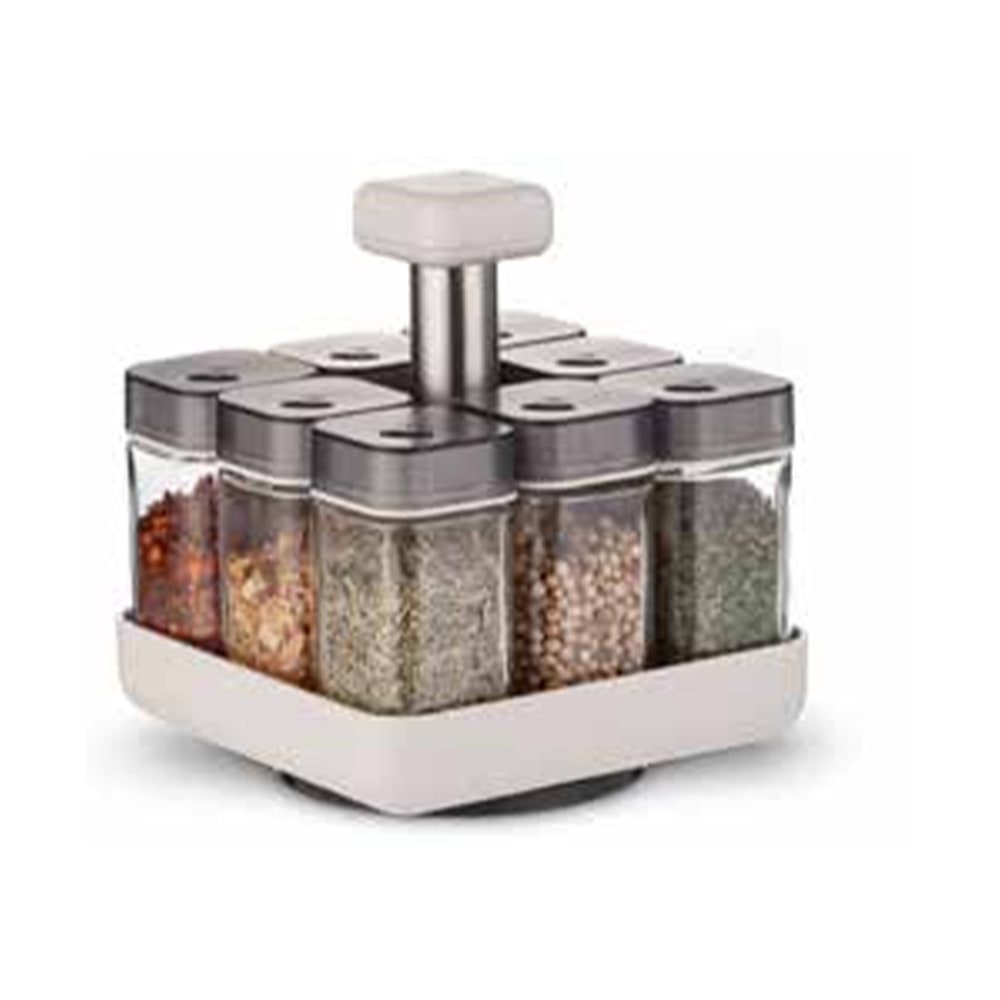 Glass Spice Jar Set with Multiple Sizes and Airtight LidsThis set offers various capacities for storing spices, salt, sugar, and other kitchen staples in airtight glass jars. The paragraph highlights small jar uses, making it relevant for organized pantry storage and easy labeling.View Product →
12 oz and 16 oz jars for drinks, pickles, and everyday meals
The 12 oz jar is a favorite drinking glass size; it holds a single can of soda plus ice, or a layered salad with dressing at the bottom. The 16 oz pint is the size most people picture when they hear "mason jar." It is ideal for refrigerator pickles, canned tomatoes, salsa, and iced coffee. When you process pickles at home, a classic hourglass pickle jar with a wide mouth makes loading cucumbers far easier and gives you the familiar shape that sells well in gift baskets. If you meal-prep, a 16 oz jar holds one generous serving of overnight oats or a soup-and-stew portion.
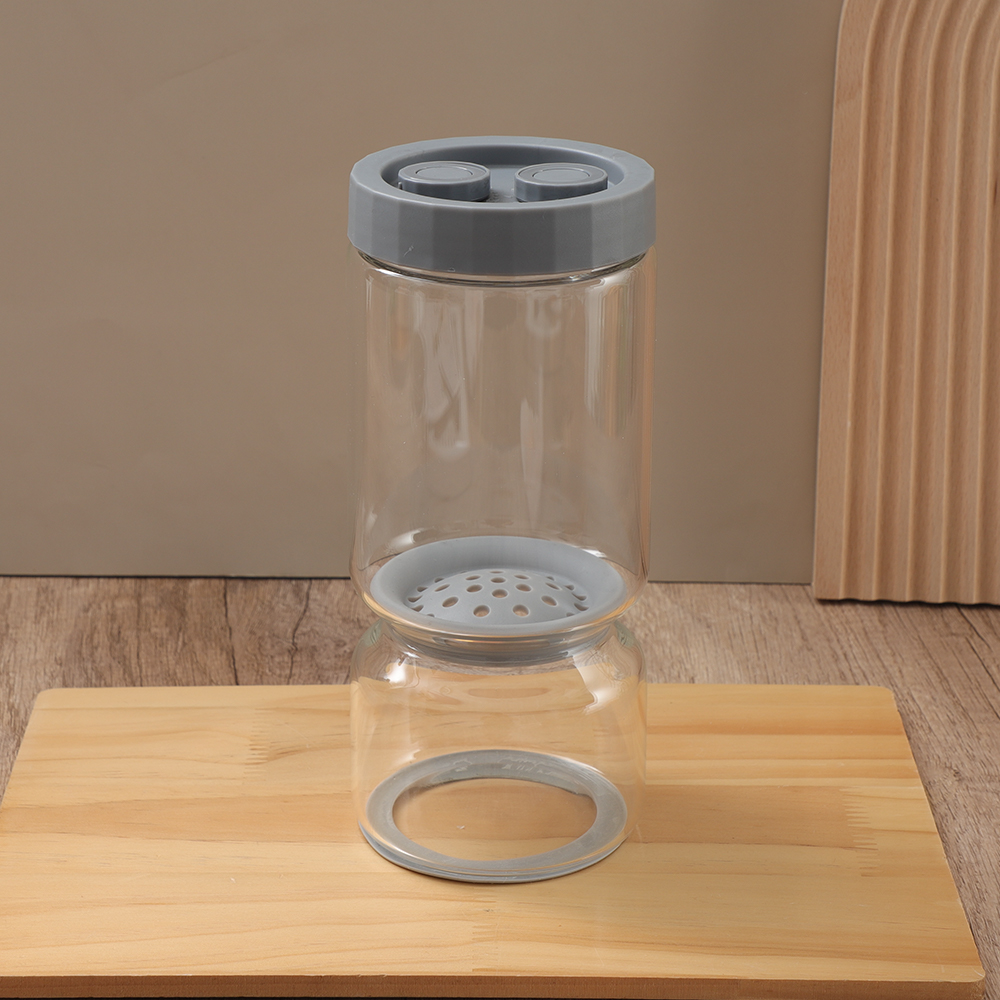 Classic Pickle Jar with Wide Mouth and Time-Knob LidDesigned for home pickling and canning, this jar features a wide mouth for easy loading and a lid with a time knob to record dates. It suits the larger jar sizes discussed for green beans, carrots, and broth.View Product →
24 oz, 32 oz, and 64 oz jars for bulk storage and fermentation
A 24 oz wide-mouth jar holds larger smoothies, big salads, and grains such as a full pound of dry pasta. The 32 oz quart is the standard for canning green beans, carrots, and broth; it also matches the size of many store-bought juice containers, so it transitions easily into a drinking jar. A 64 oz half gallon is the best choice for kombucha brewing, large-batch cold brew tea, and storing flour, sugar, or rice. The same principle explains why glass storage jars can extend the shelf life of food: an airtight seal limits moisture and oxygen, and a larger jar simply holds a longer-lasting supply of a pantry staple. If you want the longest freshness for coffee beans or dried goods, a vacuum storage jar with an air-reducer lid removes extra oxygen each time you close it.
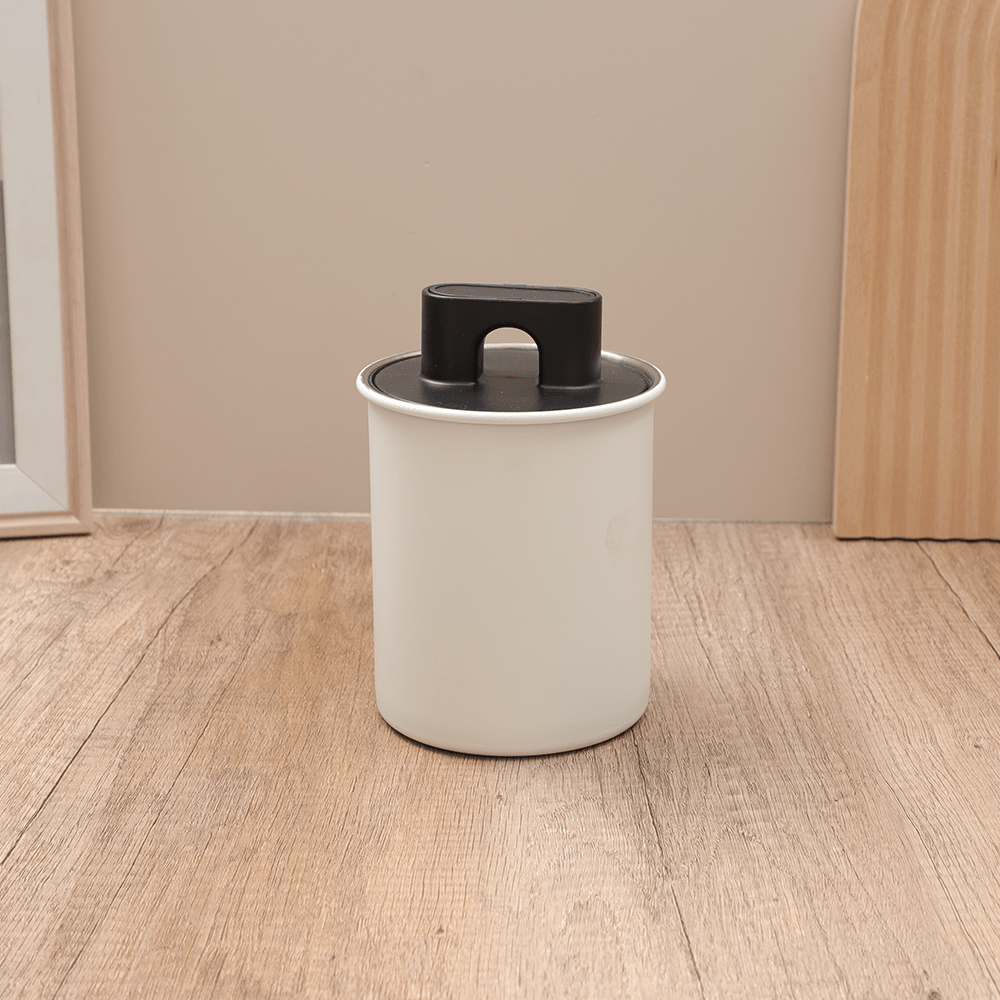 Stainless Steel Vacuum Storage Jar with Air ReducerMade from 18/8 stainless steel, this container uses a rocker mechanism to expel air and create an almost-vacuum seal, extending freshness for coffee beans and dried goods. It is ideal for those seeking long-term airtight storage.View Product →
Headspace: Why a 16 oz Jar Does Not Hold 16 oz of Food
The ounce rating is the jar's total capacity to the brim. In real canning and storage, you intentionally leave empty space at the top called headspace, so the usable capacity is smaller than the label number.
Published canning guidelines recommend roughly 1/4 inch of headspace for jams and jellies, 1/2 inch for fruits and pickles, and 1 inch for low-acid vegetables. That space allows food to expand during processing and helps create a proper seal.
The practical effect is significant. A Reddit discussion on r/Canning (2022) documented that an 8 oz jar realistically held only about 7 oz of beverage when filled to a reasonable level instead of the absolute rim. For a 16 oz pint, expect roughly 13 to 15 oz of usable canning volume depending on the food. This matters most when you scale recipes: if a recipe says it fills four pint jars, plan for about 64 oz of prepared food, but allow a little extra because the required headspace means the last jar may be only three-quarters full.
Height, Diameter, and Why Dimensions Matter
Two jars with the same ounce capacity can have completely different footprints. A regular mouth 16 oz pint is taller and narrower, while a wide mouth 16 oz pint is shorter and wider. Berlin Packaging's jar overview notes that height and diameter vary noticeably by mouth type and brand, so you cannot assume a 32 oz jar will fit your shelf just because a 16 oz jar fits.
- Regular mouth 8 oz: roughly 4.3 inches tall and 2.9 inches wide, with a 2.375-inch opening.
- Regular mouth 16 oz: roughly 5.3 inches tall and 3.1 inches wide.
- Wide mouth 16 oz: roughly 4.5 inches tall and 3.4 inches wide, noticeably stubbier than its regular mouth sibling.
- Wide mouth 32 oz: roughly 6.9 inches tall and 3.6 inches wide.
- Wide mouth 64 oz: roughly 8.4 inches tall and 4.0 inches wide.
These figures are typical for commercial soda-lime mason jar production, but individual manufacturers adjust glass weight and shape. Before you buy a case, measure your shelf depth, refrigerator door height, and cup holder diameter if you plan to drink from the jar. If you are buying in bulk for a retail line or commercial kitchen, contact our glass jar manufacturing team with your target sizes and quantities so you can confirm exact dimensions, glass weight, and lid compatibility before ordering.
Frequently Asked Questions About Mason Jar Ounces
How many ounces are in a standard mason jar?
There is no single "standard" size. The most commonly used mason jars are the 8 oz half pint, 16 oz pint, and 32 oz quart. When a recipe says "one mason jar" without a size, it almost always means a 16 oz pint jar holding 2 cups.
How many cups does a 32 oz mason jar hold?
A 32 oz quart jar holds exactly 4 US cups. Divide the fluid ounces by 8 to get cups: 32 divided by 8 equals 4. A 16 oz pint holds 2 cups, and a 64 oz half gallon holds 8 cups.
How many milliliters are in a 16 oz mason jar?
A 16 oz jar holds about 473 milliliters (16 multiplied by 29.5735). Many product listings round this to 473 mL, while European listings sometimes say 480 mL or 500 mL. A 32 oz quart is about 946 mL, and a 64 oz half gallon is about 1893 mL.
Are regular mouth and wide mouth lids interchangeable?
No. Regular mouth lids fit an opening of about 2.375 inches, and wide mouth lids fit an opening of about 3 inches. The two systems do not cross-thread. However, lids within the same category are generally interchangeable across brands, so a wide mouth lid from one manufacturer will thread onto a wide mouth jar from another in most cases.
Does a 16 oz jar actually hold 16 oz of liquid?
Filled to the very brim, yes, a 16 oz jar holds 16 fluid ounces of liquid. For canning, the required headspace reduces usable volume to roughly 13 to 15 oz. For everyday drinking and dry storage, you can fill closer to the rim as long as you leave enough room to close the lid without splashing.
Can you freeze food in a mason jar?
Yes, but leave at least 1 inch of headspace because water expands by roughly 9 percent when it freezes. Straight-sided wide mouth jars handle freezing better than sharply shouldered jars, and you should always freeze with the jar upright until the contents are solid. Avoid thermal shock by letting hot food cool before placing it in the freezer.
What is the best mason jar size for overnight oats?
An 8 oz half pint works for a standard single serving of 1/2 cup oats plus 1/2 cup milk. If you add fruit, nuts, or yogurt, move up to a 16 oz pint so the jar does not overflow when you shake the ingredients together.
Recommended Products


- PRODUCT
- Glass Storage Jar
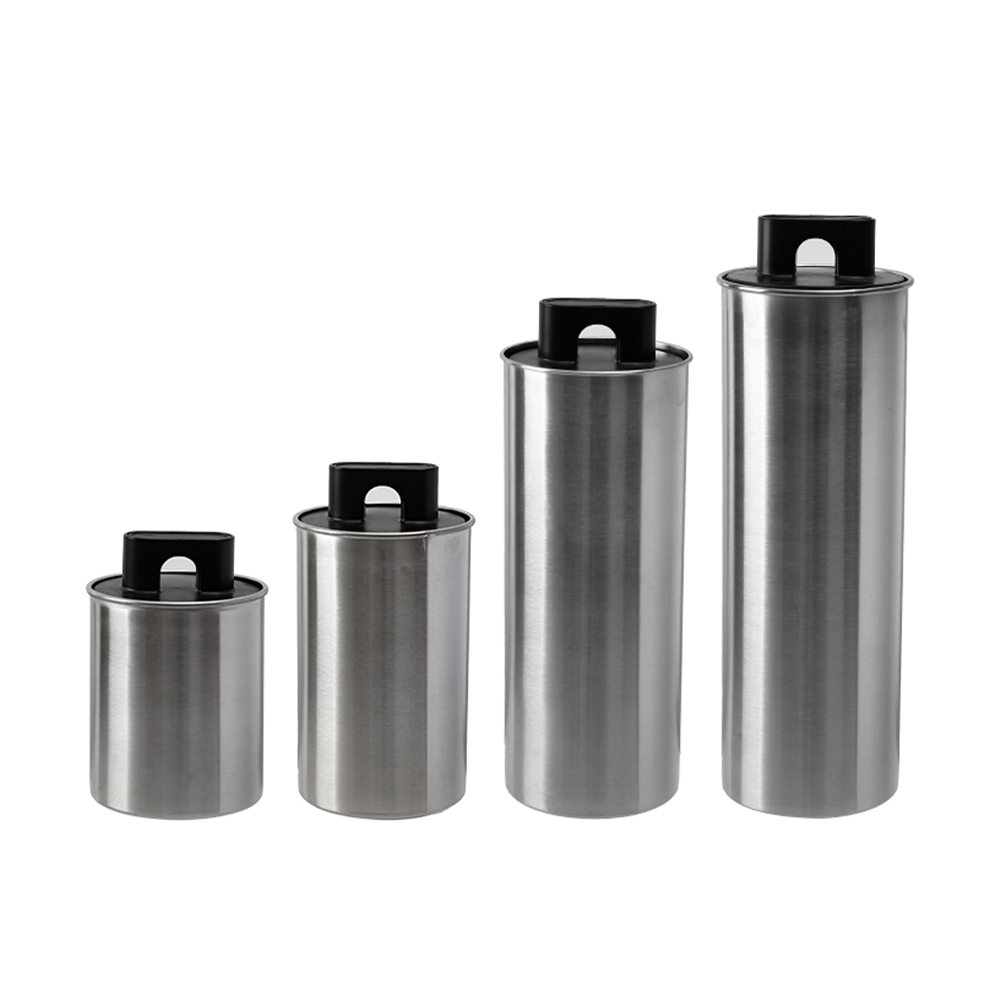
- Glass/Stainless Steel Drinking ware
- Kitchen Seasoning Containers
- Home Decoration
- QUICK LINKS
- Products
- About Us
- Manufacture
- ODM/OEM
- News
- Contact Us
- CONTACT US
-
-
 7 Crystal Boulevard xi’an Feng Town, Baoying County,Jiangsu, China.
 -
 WhatsApp:
+86-15005252638 -
 +86-15005252638
+86-18083766162
+86-15895746638
+86-0514-8866-8898
-
 joy@nchousewares.com
Jack@nchousewares.com
julia@nchousewares.com
-
- CONTACT

