
 English
  日本語
日本語  Deutsch
  Español




How to Clean a Tea Kettle: Complete Guide for Glass, Stainless Steel, and Ceramic Kettles
Content
- 1 Know Your Tea Kettle Material Before Cleaning
- 2 Daily Rinsing and the Deep Clean Routine
- 3 How to Descale a Tea Kettle with Vinegar
- 4 How to Remove Tea Stains from a Glass Tea Kettle
- 5 How to Clean a Stainless Steel Tea Kettle
- 6 How to Clean Ceramic and Enamel Tea Kettles
- 7 What to Avoid When Cleaning a Tea Kettle
- 8 How Often Should You Clean a Tea Kettle?
- 9 Maintenance and Prevention Tips
- 10 FAQ
- 10.1 Can I clean a tea kettle with baking soda alone?
- 10.2 Is white vinegar safe for all tea kettles?
- 10.3 How do I remove a really stubborn limescale layer from my kettle?
- 10.4 Can I use lemon juice instead of vinegar to clean a tea kettle?
- 10.5 What is the best way to dry a glass tea kettle after cleaning?
The fastest, safest way to clean a tea kettle depends on the material. For most glass, stainless steel, and ceramic kettles, a 1:1 mixture of white vinegar and water dissolves limescale, while a paste of baking soda or a mild dish soap removes tea stains without scratching the surface. Below you'll find the exact steps for each material, plus a practical routine that keeps your kettle fresh and your tea tasting clean.
Know Your Tea Kettle Material Before Cleaning
Choosing the wrong cleaner can ruin a kettle. Glass kettles are transparent, so stains are easy to spot but also easy to scratch. Stainless steel kettles hide stains but may develop rust spots if you use abrasive pads. Ceramic and enamel kettles have a delicate glaze that strong vinegar can dull. Here is a quick comparison to help you decide.
| Material | Recommended Cleaner | Avoid | Aftercare |
|---|---|---|---|
| Glass | White vinegar, citric acid, baking soda | Steel wool, hard brushes | Dry with a soft cloth |
| Stainless steel | White vinegar, baking soda paste | Bleach, abrasive powders | Rinse and dry to avoid water spots |
| Ceramic / enamel | Lemon juice, diluted vinegar | Concentrated acid, metal scrapers | Avoid thermal shock |
If you use a kettle daily, knowing the material also tells you how often to descale. Hard water areas generally require descaling every four to six weeks. This is especially true for glass kettles, where limescale becomes visible on the sides.
For a deep dive into what makes glass cookware durable, see our article on what makes good glass.
Daily Rinsing and the Deep Clean Routine
Rinsing your kettle after every use is the single most effective habit. Empty it, fill it with warm water, swish it around, and pour it out. Leave the lid open so moisture can escape. This prevents tea oils from building up. For a weekly deep clean, follow these steps:
- Fill the kettle halfway with water and add 1 tablespoon of baking soda.
- Bring the water to a boil and let it boil for 5 minutes.
- Turn off the heat and let the solution cool for 15 minutes.
- Scrub the interior with a soft sponge, then rinse thoroughly.
For stainless steel kettles, add a half teaspoon of dish soap to this routine to cut through grease. Avoid using baking soda on enamel kettles, as it can be slightly abrasive over time.
How to Descale a Tea Kettle with Vinegar
White vinegar is the most reliable household descaler for glass and stainless steel kettles. Mix 1 part vinegar with 1 part water. For a standard kettle, use 2 cups of each. Pour the solution into the kettle, bring it to a boil, then turn off the heat and let it stand for 15 to 30 minutes. The longer the soak, the more effective it is on limescale.
If your water is extremely hard, use food-grade citric acid instead. A concentration of 1 tablespoon of citric acid per 500 ml of water works well and has no vinegar smell. After either method, empty the kettle, rinse it three times with fresh water, and wipe it dry.
For glass kettles with visible scale, you can repeat the vinegar soak once. Never leave the acid solution in the kettle overnight. Prolonged exposure can etch the glass surface and leave a dull haze.
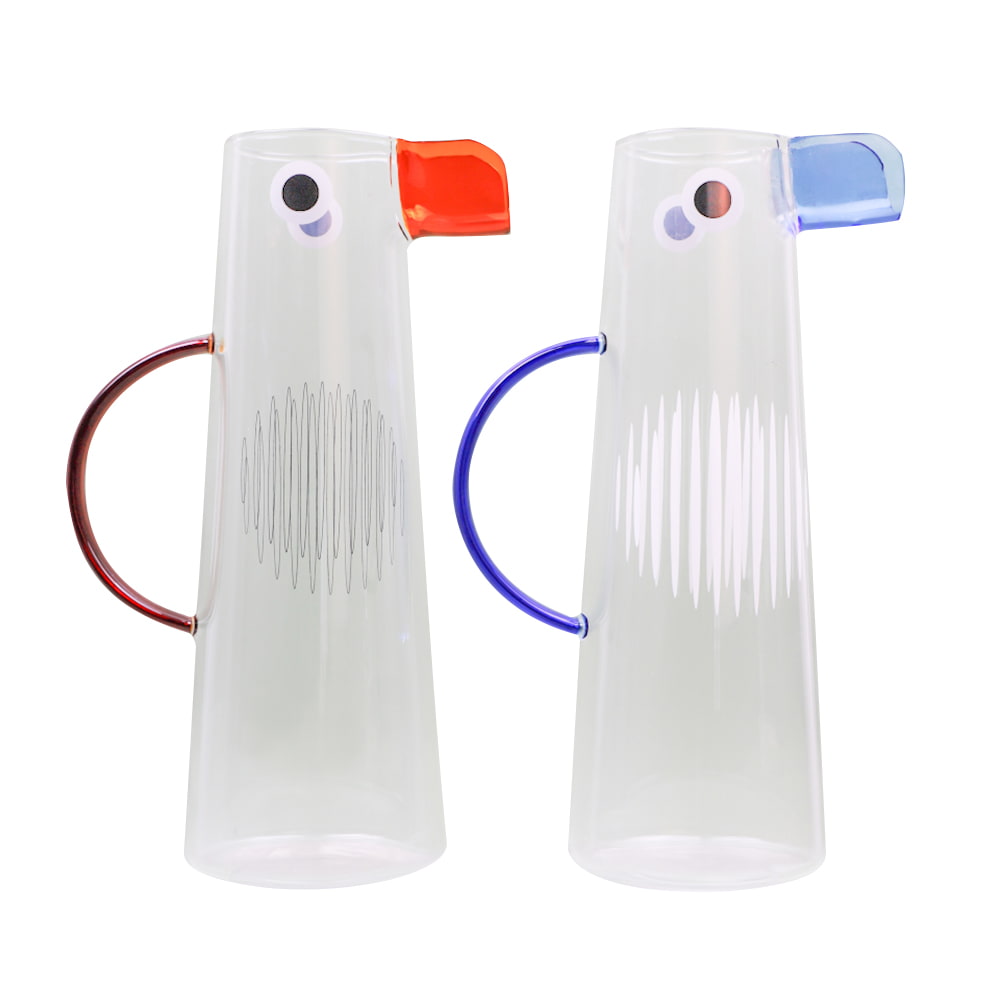 Borosilicate Glass Decanter/ Glass TeapotThe high-quality borosilicate glass teapot is lightweight and has excellent heat resistance, with a heat resistance range of -20°C to 150°C. It is suitable for use on ...View Product →
How to Remove Tea Stains from a Glass Tea Kettle
Tea stains cling to glass as a brownish film. Baking soda is the best gentle abrasive for glass. Make a paste with 2 tablespoons of baking soda and a little warm water, spread it on the stained areas, and let it sit for about 10 minutes. Then scrub with a soft cloth or a non-abrasive sponge. Rinse well and dry with a microfiber towel.
For darker rings around the water line, combine 1 cup of water with 1/2 cup of lemon juice, bring it to a boil, and let it cool for 15 minutes. The mild acid dissolves tannins without damaging borosilicate glass.
If you are looking for a kettle with a built-in infuser that is easy to maintain, our borosilicate glass teapot with filter is a practical choice for everyday tea brewing.
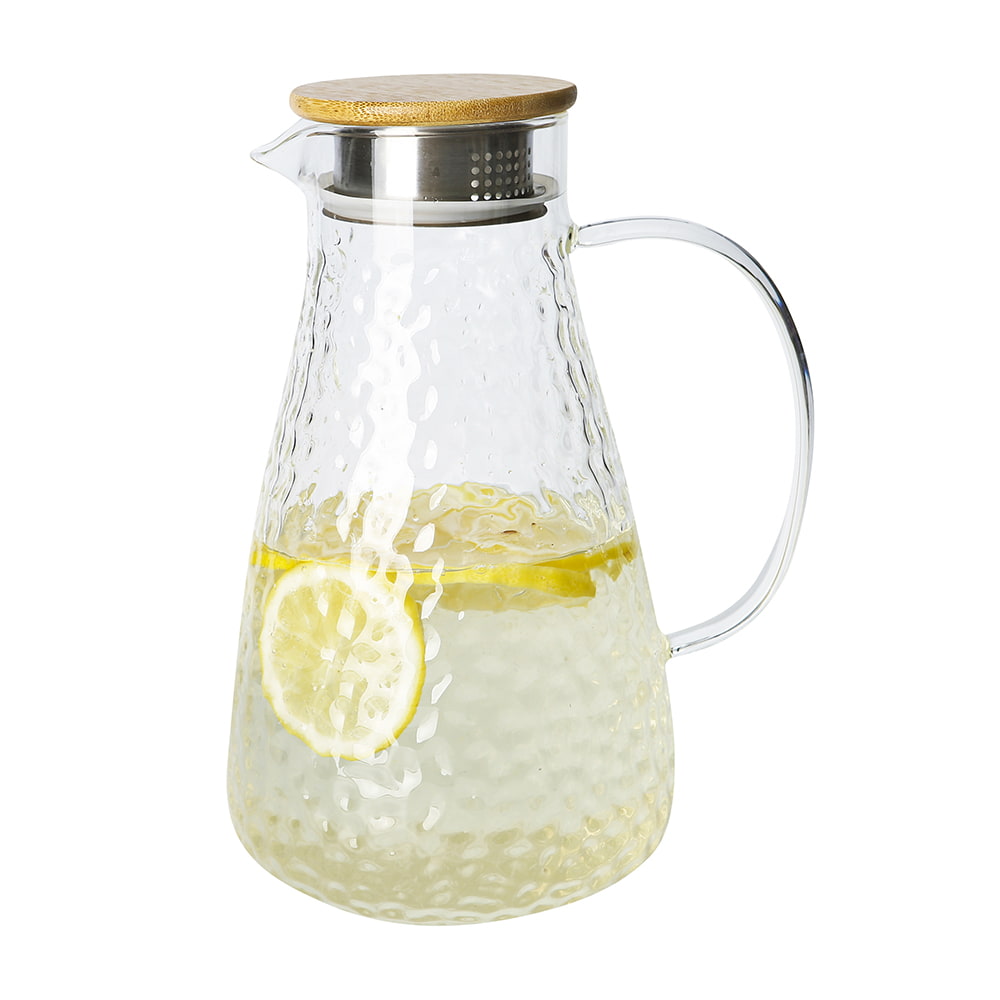 Glass Teapot With FilterDetachable Filter These teapots are equipped with a detachable filter screen, which is made of food-grade 304 stainless steel or food-grade plastic. It can filter deli...View Product →
How to Clean a Stainless Steel Tea Kettle
Stainless steel kettles are tough, but they need different care than glass. Avoid using vinegar on stainless steel for more than 30 minutes. The acid can cause pitting in the metal, especially if the kettle has a brushed finish. For everyday stains, follow these steps:
- Mix baking soda with a few drops of dish soap to make a paste.
- Apply the paste with a soft cloth and wipe in the direction of the grain.
- Rinse with warm water and dry immediately with a lint-free towel.
If you see white limescale, use a short vinegar soak (no more than 15 minutes), then rinse thoroughly. Always dry the kettle completely to prevent water spots and rust formation.
How to Clean Ceramic and Enamel Tea Kettles
Ceramic and enamel kettles have a glaze that can be dulled by strong acids. Use a mild solution of 1 part water to 1 part lemon juice for descaling. Heat the mixture gently, but do not let it reach a rolling boil. Let it stand for about 10 minutes, then rinse and dry.
Never use steel wool, metal scrapers, or abrasive cleaning powders on enamel. They will leave fine scratches that trap tea stains and make the surface harder to clean in the future. Instead, use a soft cloth or a bristle brush with gentle pressure.
What to Avoid When Cleaning a Tea Kettle
Some household products can permanently damage a kettle. Bleach and drain cleaners are absolutely not safe for tea kettles. Chlorine-based cleaners leave toxic residues and can corrode metal or glass. Coffee machine descalers often contain strong sulfamic acid, which is too aggressive for a thin glass kettle. Also, avoid steel wool and abrasive sponges on any material, because they create scratches where limescale and tea stains can hide.
If you are uncertain about a specific product or your kettle has a unique coating, contact our team before trying it. We are happy to advise you based on the actual material of your kettle.
How Often Should You Clean a Tea Kettle?
Cleanliness affects the taste of your tea. Rinse the kettle after every use, deep clean it once a week if you use it daily, and descale every four to six weeks in hard-water areas. If you use bottled water, descaling may only be needed every two to three months. Here is a simple schedule:
- After each use: rinse and air-dry with the lid open.
- Weekly: deep clean with baking soda or dish soap.
- Monthly: descale with vinegar or citric acid.
Maintenance and Prevention Tips
Using filtered water is the easiest way to reduce limescale. Hard water deposits calcium and magnesium minerals that can damage the kettle over time. Empty the kettle after every use and leave the lid off to prevent moisture from lingering. For glass kettles, always let them cool before rinsing with cold water. Sudden temperature changes can cause thermal shock, which may crack borosilicate glass even if it appears strong.
You can also keep the spout clean by running a cotton swab dipped in white vinegar along the opening. This prevents clogs and ensures a steady pour every time.
FAQ
Can I clean a tea kettle with baking soda alone?
Yes, baking soda helps remove mild tea stains, but it is not strong enough to dissolve limescale. Use vinegar or citric acid first to break down minerals, then apply baking soda for stain removal.
Is white vinegar safe for all tea kettles?
White vinegar is safe for glass and stainless steel in short soaks, but it can dull the glaze of ceramic or enamel kettles. For those materials, use lemon juice or a diluted vinegar solution instead.
How do I remove a really stubborn limescale layer from my kettle?
If the first soak does not work, repeat the vinegar treatment with a slightly higher concentration and a longer soak time. You can also use food-grade citric acid at 1 tablespoon per 500 ml of water. Avoid leaving acid in the kettle overnight, as it can etch the surface.
Can I use lemon juice instead of vinegar to clean a tea kettle?
Yes, lemon juice is a natural acid that works on both limescale and tea stains. Mix 1 cup of water with 1 cup of fresh lemon juice, boil it, and let it sit for 10 to 15 minutes before rinsing.
What is the best way to dry a glass tea kettle after cleaning?
Use a lint-free microfiber cloth to wipe the kettle dry. If you leave it to air-dry, place it in a well-ventilated area to prevent water spots.
Recommended Products


- PRODUCT
- Glass Storage Jar
- Glass/Stainless Steel Drinking ware
- Kitchen Seasoning Containers
- Home Decoration
- QUICK LINKS
- Products
- About Us
- Manufacture
- ODM/OEM
- News
- Contact Us
- CONTACT US
-
-
 7 Crystal Boulevard xi’an Feng Town, Baoying County,Jiangsu, China.
 -
 WhatsApp:
+86-18083783456
+86-15005252638 -
 +86-18083766162
+86-18083783456
+86-15895746638
+86-0514-8866-8898
-
 joy@nchousewares.com
Jack@nchousewares.com
julia@nchousewares.com
-
- CONTACT

