
 English
  日本語
日本語  Deutsch
  Español




How to Remove Labels from Glass Jars — Clean Guide
Content
- 1 The Fastest Way to Remove Labels from Jars
- 2 Why Labels Are Hard to Remove — and What Determines Difficulty
- 3 Method-by-Method Comparison
- 4 Step-by-Step: The Hot Soak + Oil Method
- 5 How to Remove Labels from Glass Without Soaking
- 6 Dishwasher Method: Does It Work?
- 7 Removing Labels from Different Types of Glass Jars
- 8 What to Avoid When Removing Jar Labels
- 9 Frequently Asked Questions
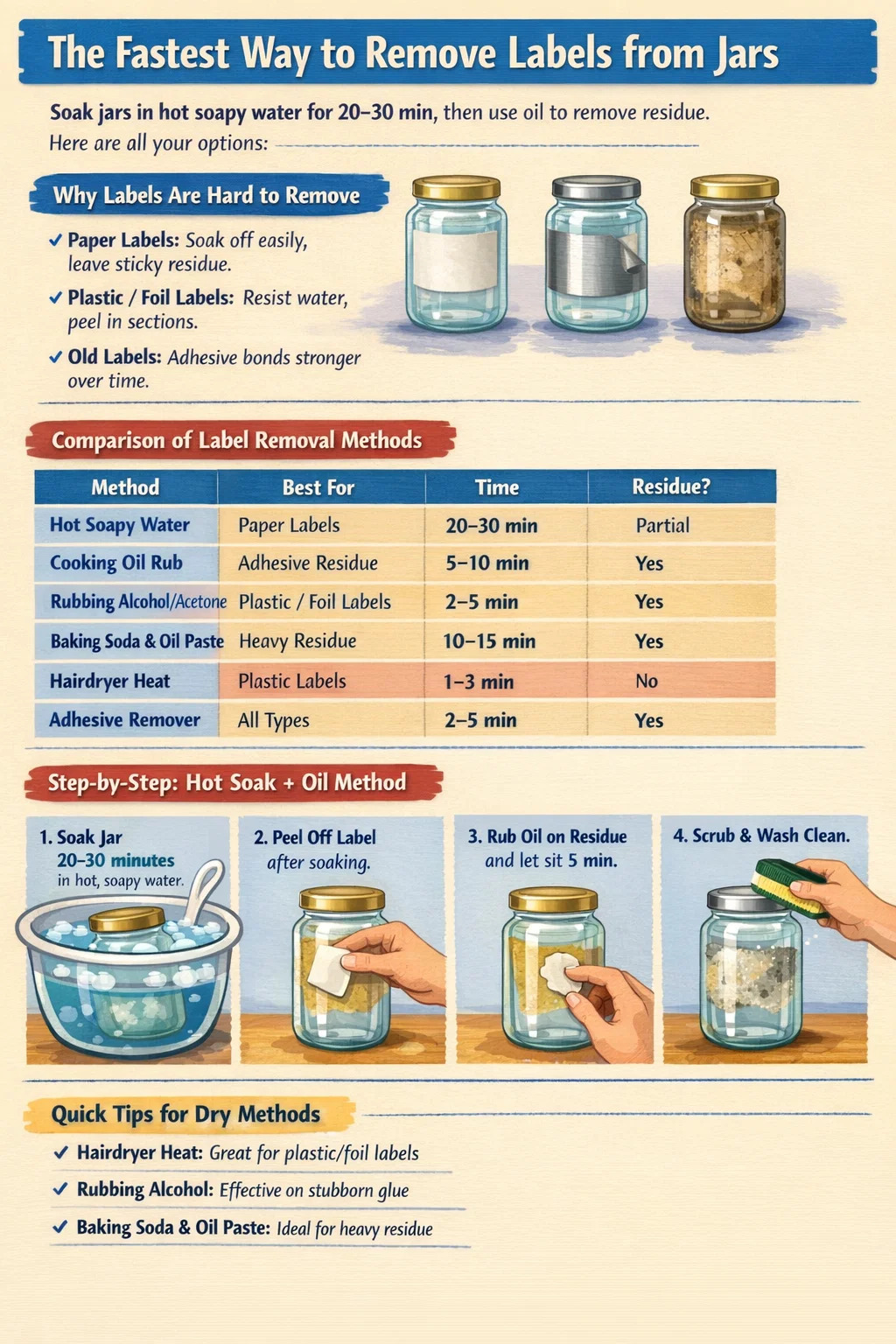
The Fastest Way to Remove Labels from Jars
Soaking the jar in hot soapy water for 20–30 minutes removes most paper labels cleanly. For stubborn adhesive residue left behind, rubbing oil (olive oil, coconut oil, or vegetable oil) directly onto the sticky area and leaving it for 5 minutes dissolves the glue without scratching the glass. This two-step approach works on virtually every glass storage jar, whether it's a recycled pasta sauce jar, a mason jar, or a wide-mouth canning jar.
Below is a breakdown of every reliable method, including which ones work best for different label types, adhesive strengths, and jar materials.
Why Labels Are Hard to Remove — and What Determines Difficulty
Label removal difficulty depends on three factors: the label material, the adhesive type, and how long the label has been on the jar.
- Paper labels soak off easily but leave adhesive behind.
- Plastic or foil labels resist water but peel off in large sections if you get under an edge.
- Pressure-sensitive adhesives (the kind used on most food jars) soften with heat and dissolve with oil or alcohol.
- Age of the label matters — labels left on for years bond more aggressively with glass, especially in damp environments.
Glass storage jars with smooth, non-porous surfaces are actually the easiest to clean because the adhesive cannot penetrate into the material — it sits entirely on the surface.
Method-by-Method Comparison
Different methods suit different situations. Here is a direct comparison of the most common approaches:
| Method | Best For | Time Required | Removes Residue? |
|---|---|---|---|
| Hot soapy water soak | Paper labels | 20–30 min | Partial |
| Cooking oil rub | Adhesive residue | 5–10 min | Yes |
| Rubbing alcohol / acetone | Plastic labels, stubborn glue | 2–5 min | Yes |
| Baking soda + oil paste | Heavy residue buildup | 10–15 min | Yes |
| Hairdryer heat | Plastic / foil labels | 1–3 min | No (label only) |
| Commercial adhesive remover (e.g. Goo Gone) | All label/residue types | 2–5 min | Yes |
Step-by-Step: The Hot Soak + Oil Method
This is the most practical all-around approach for recycling glass storage jars or prepping new ones for pantry use.
- Fill a basin or sink with hot water (not boiling) and a generous squirt of dish soap.
- Submerge the jar completely and leave it for 20–30 minutes. The paper label will absorb water and detach from the glass.
- Peel off the label starting from a corner. Use a plastic scraper or an old credit card if needed — avoid metal tools that can scratch glass.
- Rub a small amount of cooking oil (olive oil or coconut oil work well) onto any remaining sticky residue.
- Let the oil sit for 5 minutes, then scrub with a rough sponge in circular motions.
- Wash the jar with dish soap and rinse thoroughly. The glass should be completely clean and residue-free.
For airtight glass storage jars with rubber seals or lids, avoid submerging the entire lid assembly in water for extended periods — remove the lid first and clean it separately to protect the seal integrity.
How to Remove Labels from Glass Without Soaking
Soaking is not always an option — for example, when the jar has a metal lid that you want to keep dry, or you need results faster. These dry methods are reliable alternatives.
Hairdryer or Heat Gun
Hold a hairdryer 5–8 cm from the label and apply heat for 60–90 seconds. The adhesive softens and the label peels off in one piece. This works especially well for plastic-coated or foil labels on glass spice jars or glass condiment jars. Peel from the corner using your fingers while the label is still warm.
Rubbing Alcohol or Nail Polish Remover
Soak a cotton ball in rubbing alcohol (isopropyl alcohol, 70% or higher) or acetone-based nail polish remover. Press it onto the label or residue for 30 seconds, then rub in circular motions. Alcohol is one of the most effective solvents for pressure-sensitive adhesives and evaporates quickly, leaving no oily film. Safe for glass surfaces and does not affect the structural integrity of glass storage jars.
Baking Soda and Oil Paste
Mix equal parts baking soda and cooking oil into a paste. Apply to the label, let it sit for 10 minutes, then scrub with a sponge. The oil breaks down the adhesive while the baking soda acts as a mild abrasive. Particularly useful for very old labels or heavy residue buildup on vintage or reused glass jars.
Dishwasher Method: Does It Work?
A dishwasher cycle can loosen paper labels, but it rarely removes them completely — the label often breaks into wet fragments that stick to other dishes. It is more effective as a pre-treatment: run the jar through a cycle, then finish by hand with oil or alcohol to clear any remaining residue. Do not rely on the dishwasher alone if you need a completely clean glass jar for reuse as a storage vessel.
Glass food storage jars that are dishwasher-safe (most borosilicate and soda-lime glass jars are) can handle high-temperature cycles without issue. Always check manufacturer recommendations for the lid material — some silicone gaskets degrade in high-heat drying cycles.
Removing Labels from Different Types of Glass Jars
The jar type affects which method is most practical:
- Wide-mouth glass storage jars (mason jars, Weck jars): Easy to handle. Full soak method works best. Wide opening makes interior cleaning easy after label removal.
- Narrow-neck glass bottles (olive oil, vinegar, sauce bottles): Use heat method or alcohol-soaked cotton. Soaking is still effective but the narrow neck makes scraping residue harder — use a long-handled bottle brush.
- Glass spice jars: Small surface area makes the heat method fast and efficient. Foil or metallic labels on spice jars respond well to 60 seconds of hairdryer heat.
- Vintage or antique glass jars: Avoid harsh solvents. Use the oil paste method — it is gentle enough for older glass that may have surface imperfections.
- Airtight glass storage jars (clip-top, screw-top with rubber seals): Remove all hardware before soaking. Rubber seals can be cleaned separately with mild soap.
What to Avoid When Removing Jar Labels
Some common mistakes make the job harder or damage the jar:
- Metal scrapers or steel wool — these scratch glass surfaces, which can weaken the jar and create places where bacteria accumulate if the jar is reused for food storage.
- Peeling dry labels forcefully — this tears the label into small pieces and leaves more adhesive behind than soaking would.
- Boiling water directly on cold glass — rapid temperature changes can crack certain types of glass. Use hot tap water rather than boiling water for soaking.
- Skipping the residue step — a jar that still has sticky residue will collect dust and is unpleasant to handle. The oil step takes under 10 minutes and makes the glass completely smooth.
Frequently Asked Questions
Does WD-40 remove jar labels?
Yes. WD-40 dissolves pressure-sensitive adhesives effectively. Spray a small amount on the label or residue, leave for 2 minutes, then wipe off with a cloth. Wash the jar thoroughly with dish soap afterward to remove any petroleum residue before using it as a glass storage jar for food.
How do I remove a label from a glass jar without leaving residue?
Soak in hot soapy water first to remove the paper layer, then apply cooking oil or rubbing alcohol to the residue. Scrub with a rough sponge, then wash with dish soap. This two-step process reliably leaves the glass completely clean with no sticky film.
Can I use vinegar to remove jar labels?
White vinegar softens paper labels and can help loosen adhesive, but it is less effective than oil or alcohol for residue removal. It works well as a follow-up rinse to neutralize any oil film left on the glass after the oil method.
How long should I soak a jar to remove the label?
20–30 minutes in hot soapy water is enough for most paper labels. Very thick or laminated labels may need up to 45 minutes. Check after 20 minutes — if the label lifts easily from a corner, it is ready to peel.
Is it safe to reuse glass jars after removing labels?
Yes. Glass is non-porous and does not absorb food residues or chemicals from previous contents. After removing the label and washing the jar thoroughly, glass storage jars can be safely reused for dry goods, liquids, or anything else that fits. Inspect the jar for chips or cracks before reusing it, especially around the rim.
Recommended Products
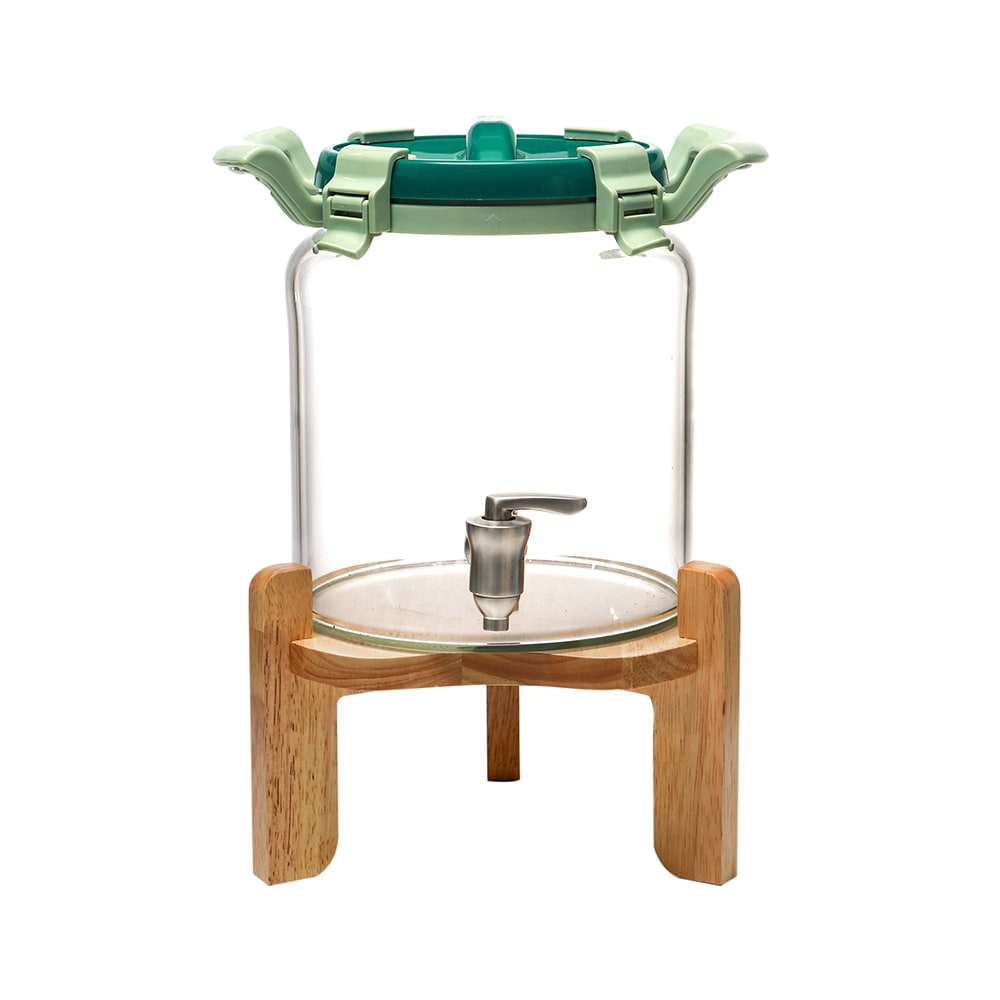
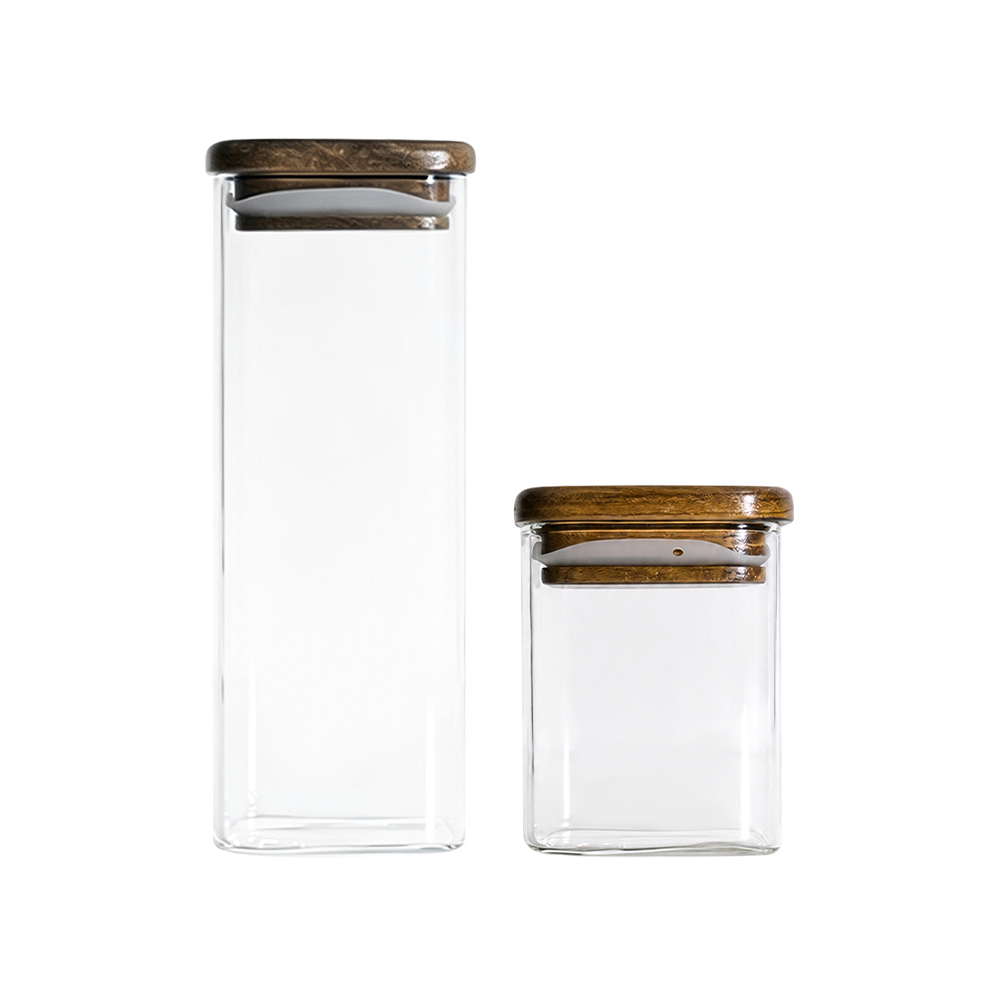
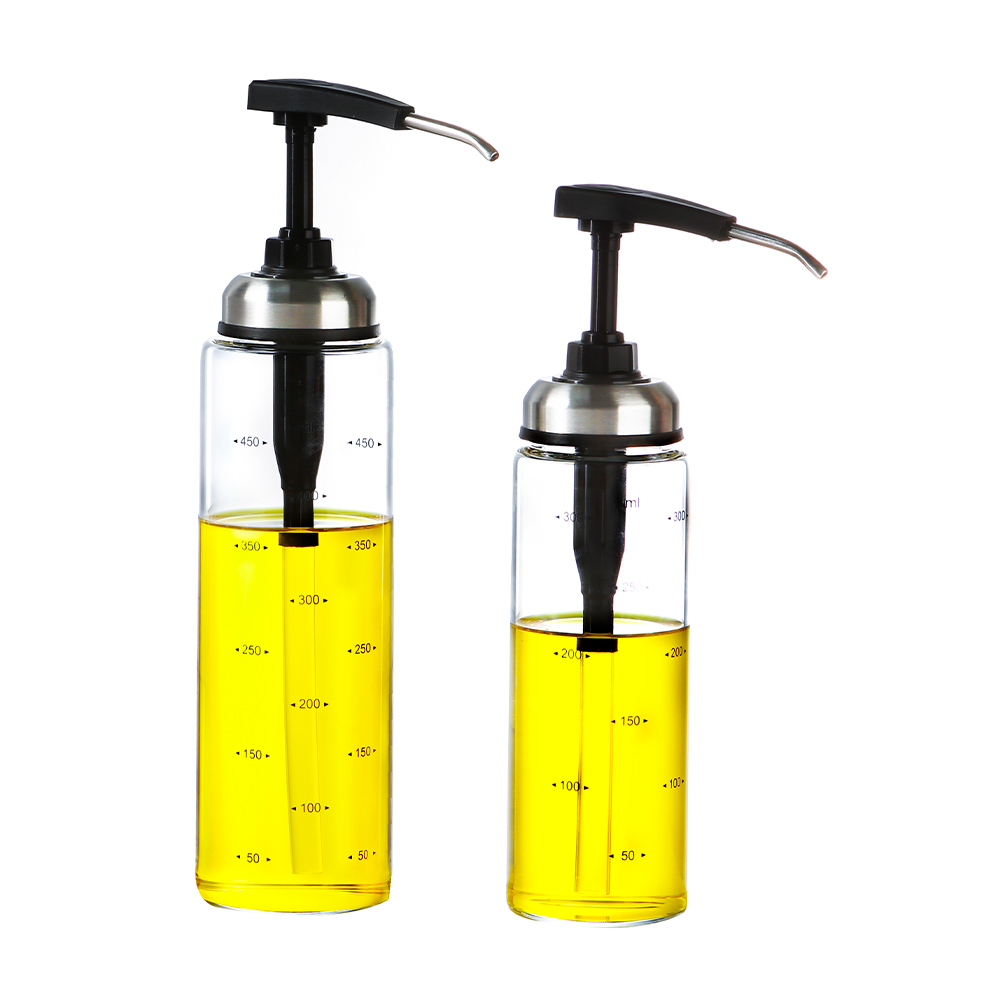


- PRODUCT
- Glass Storage Jar
- Glass/Stainless Steel Drinking ware
- Kitchen Seasoning Containers
- Home Decoration
- QUICK LINKS
- Products
- About Us
- Manufacture
- ODM/OEM
- News
- Contact Us
- CONTACT US
-
-
 7 Crystal Boulevard xi’an Feng Town, Baoying County,Jiangsu, China.
 -
 WhatsApp:
+86-15005252638 -
 +86-15005252638
+86-18083766162
+86-15895746638
+86-0514-8866-8898
-
 joy@nchousewares.com
Jack@nchousewares.com
julia@nchousewares.com
-
- CONTACT

