
 English
 日本語
 Deutsch
 Español




How to Get Labels Off of Jars: Fast Methods That Leave Zero Sticky Residue
Content
- 1 Why a Jar Label Refuses to Let Go
- 2 The Soak-and-Peel Method, Step by Step
- 3 Baking Soda and Oil Paste for Stubborn Adhesive
- 4 Comparing the Removal Methods Side by Side
- 5 Seven Habits That Ruin Jars
- 6 Getting Rid of the Last Sticky Layer
- 7 Reusing Store-Bought Jars Once the Label Is Off
- 8 Removing Labels From Jars at Scale
- 9 Frequently Asked Questions
- 9.1 Does boiling water remove jar labels faster?
- 9.2 Why is the jar still sticky after washing it?
- 9.3 Will vinegar or alcohol damage the glass?
- 9.4 Can I use the same method on plastic jars and containers?
- 9.5 How do I remove the lingering smell of pickle or sauce from a jar?
- 9.6 Is there one method that works on every jar?
- 9.7 Do I have to remove labels before recycling glass jars?
Getting a label off a jar is a 20-minute job, not an hour-long battle, as long as you soften the adhesive before you start pulling. The reliable sequence is this: soak the jar in hot tap water with a squirt of dish soap, give the glue 15 to 30 minutes to release, peel slowly from one corner, then rub away whatever remains with a paste made from two tablespoons of baking soda and one tablespoon of cooking oil. Wash the jar a second time with soap to lift the oily film.
That routine handles roughly nine out of ten jars. The exceptions are glossy film labels on imported sauce bottles, jars that have sat in a cupboard for years, and embossed glass where adhesive has crept into the pattern. Each of those needs a slightly different approach, and a couple of popular shortcuts, boiling water straight from the kettle and razor blades in particular, cause damage that only shows up months later.
Why a Jar Label Refuses to Let Go
Almost every food jar label uses a pressure-sensitive adhesive: a blend of acrylic or rubber polymers with tackifiers and plasticizers, engineered to stay tacky at room temperature for years. On a filling line, labels are pressed on with rollers that push the adhesive into every microscopic valley in the glass surface. That mechanical grip, more than the glue's own strength, is what makes the label so stubborn.
Three variables decide how easily a label releases:
- Label face material. Paper absorbs water, swells and lets go. Oriented polypropylene film, the shiny material on most sauce and condiment bottles, does not absorb anything, so soaking alone rarely finishes the job.
- Adhesive chemistry. Hot-melt rubber adhesives respond to heat and oil. Acrylic adhesives resist both and usually need alcohol or a citrus-based solvent.
- Glass texture. Smooth glass releases cleanly. Frosted, embossed or moulded glass traps adhesive in the pattern, and those jars take two or three passes.
Age is the fourth variable, and the one most people underestimate. A jar labeled last month often peels in one clean strip. A jar that has sat through two summers in a warm kitchen has been through repeated temperature swings, and that cycling hardens and cross-links the adhesive until it behaves more like a thin layer of varnish than glue.
The Soak-and-Peel Method, Step by Step
Work at the sink with the hottest water your hands can comfortably tolerate, usually somewhere between 45 and 60 degrees Celsius, or 115 to 140 degrees Fahrenheit. Hotter is not better: a sudden 90-degree temperature change on a cold soda-lime jar can crack it, and even thick glass does not enjoy that kind of shock.
- Fill a basin or deep sink with hot water and add about one teaspoon of dish soap per litre. Swirl it once; you do not need a mountain of foam.
- Submerge the jar completely, label side down, and let it sit for 15 minutes. Set a timer rather than checking every two minutes, because lifting the jar out repeatedly lets the water cool.
- After 15 minutes, lift the jar and pick at one corner of the label with a fingernail. If the paper lifts in a sheet, keep peeling slowly and steadily, keeping the label folded flat against the jar as it comes away.
- If the label tears every few millimetres, put it back in the water for another 10 to 15 minutes. Rushing this stage is what turns a 20-minute job into an evening of scraping.
- Once the paper is off, wet the adhesive film with the same soapy water and rub it with your thumb in small circles. Warm soapy water dissolves a surprising amount of residue on its own.
- Rinse in clean warm water and dry with a lint-free cloth. Check the glass under a bright light, since a thin film of adhesive is nearly invisible on a wet jar.
Two details matter more than the technique itself. First, peel slowly and keep the label flat against the jar as you pull, because ripping upward at 90 degrees tears paper and leaves fragments behind. Second, if the jar is borosilicate glass, the kind used for coffee carafes, tea pots and storage jars built for temperature changes, you have far more room to work with warm water than you do with a standard soda-lime pickle jar that has already survived a hot-fill line.
Baking Soda and Oil Paste for Stubborn Adhesive
When soaking leaves a tacky film that simply will not budge, switch to the paste. It works on acrylic adhesives, on film labels that never absorbed a drop of water, and on jars where the glue has been baked on by years of pantry heat.
What you need
- Two tablespoons of baking soda
- One tablespoon of cooking oil, baby oil or mineral oil
- A small bowl and a soft cloth or a silicone spatula
How to apply it
Mix the soda and oil into a thick paste, roughly the consistency of wet sand. Spread it over the adhesive in a layer about 2 millimetres thick so it does not dry out. Leave it for 5 to 10 minutes, then rub in circles with your thumb or a soft cloth. The oil penetrates the adhesive and drops its tack, while the soda provides just enough grit to lift the softened glue without scratching the glass. Wipe the paste away with a warm damp cloth, then wash the jar twice with hot soapy water and rinse thoroughly, since any oil left behind will turn rancid and taint whatever you store next.
A note for anyone working with wide-mouth jars of 500 millilitres and up: the paste is easiest to apply with your fingers because you can feel exactly where the residue still sits. Inside narrow-neck bottles, wrap a bottle brush in a piece of cloth, load the cloth with paste and twist it against the glass.
Comparing the Removal Methods Side by Side
Not every jar deserves the same treatment. The table below matches the usual home methods to the situations where each one actually pays off.
| Method | Typical Time | Works Best On | Watch Out For |
|---|---|---|---|
| Hot soapy soak and peel | 20 to 30 minutes | Paper labels on glass | Keep water below 60 degrees Celsius |
| Baking soda and oil paste | 5 to 10 minutes | Film labels and old glue | Must wash twice to clear the oil |
| White vinegar soak | 30 to 60 minutes | Light paper labels | Weak against acrylic adhesives |
| Isopropyl alcohol wipe | 1 to 3 minutes | Acrylic glue on bare glass | Not for plastic; keep away from flames |
| Citrus-based adhesive remover | 5 to 15 minutes | Layered or oversized labels | Rinse very well before food use |
| Hair dryer warmth plus peel | 2 to 5 minutes | Full-wrap labels on smooth glass | Hold 10 centimetres away; heat evenly |
| Cooking oil left overnight | 8 hours | Delicate or decorated surfaces | Slow, messy, needs a second wash |
Seven Habits That Ruin Jars
Most of the damaged jars we hear about were not damaged by the label. They were damaged by the removal method. These are the ones worth skipping.
- Pouring boiling water into a cold jar. Thermal shock cracks glass from the inside, and the crack often appears minutes later, after you have already filled the jar with something.
- Reaching for a kitchen knife or a razor blade. Both leave fine scratches. Scratches weaken the glass and become places where bacteria hide.
- Scouring powder and steel wool. They remove the glue and a thin layer of glass along with it, leaving a permanent grey haze that no amount of washing fixes.
- Baking the jar in the oven to burn off the label. Adhesive can carbonise into a hard film, and most household jars are not made for dry heat above 120 degrees Celsius.
- Using acetone on plastic lids or plastic jars. It dulls, clouds and sometimes dissolves the surface within seconds.
- Running labeled jars through the dishwasher. Pulp from paper labels clogs the filter, and loose adhesive ends up coating the rest of the load.
- Freezing the jar to make glue brittle. It works on a few rubber adhesives, but the glass is at its most fragile when cold, and a knock against the sink edge can finish it.
Getting Rid of the Last Sticky Layer
There is usually a moment when the paper is gone, the jar looks clean, and your fingertip still catches on a faint tacky band. Three quick fixes handle that stage.
The tape trick. Press a strip of packing tape firmly over the residue and pull it off. Repeat with a fresh piece of tape on each pass. It sounds too simple to work, but the adhesive on the tape grabs the adhesive on the jar and lifts it in a few repetitions, with no solvent and no mess.
Oil, then alcohol, then soap. Wipe the band with a drop of cooking oil, wait two minutes, then wipe with isopropyl alcohol on a cotton pad. The oil softens the polymer and the alcohol strips the oil. Finish with hot soapy water so nothing is left for the next batch of preserves to absorb.
A warm water and washing soda soak. One tablespoon of washing soda per litre of hot water, 20 minutes, then a rub with a soft cloth. This is the gentlest option for vintage jars and for any glass you want to keep looking new.
Reusing Store-Bought Jars Once the Label Is Off
A clean, label-free glass jar is a genuinely useful object, but there is more to safe reuse than a tidy surface. Lids matter as much as the glass. Metal screw lids on commercial sauce jars are often coated on the inside, and that coating can corrode once it is exposed to acidic foods over weeks. If you plan to store tomato sauce, pickles or anything acidic, use a new lid or move the contents into a jar whose lid was designed for repeat sealing.
It also helps to know which jars were never intended for a second life. Our own industry note on reusing store-bought glass jars for food walks through the checks worth making: look for chips on the rim, test the seal by filling with water and shaking, and smell the jar after washing, since adhesive and spice oils can linger in the gasket area of the lid.
For dry goods such as rice, flour, coffee beans and pasta, a clean jar with a tight lid is ideal, and the airtight seal protects the contents from humidity far better than a folded bag. A purpose-made airtight container gives you a more predictable seal than a recycled sauce jar, particularly if you are storing the same thing for months at a time.
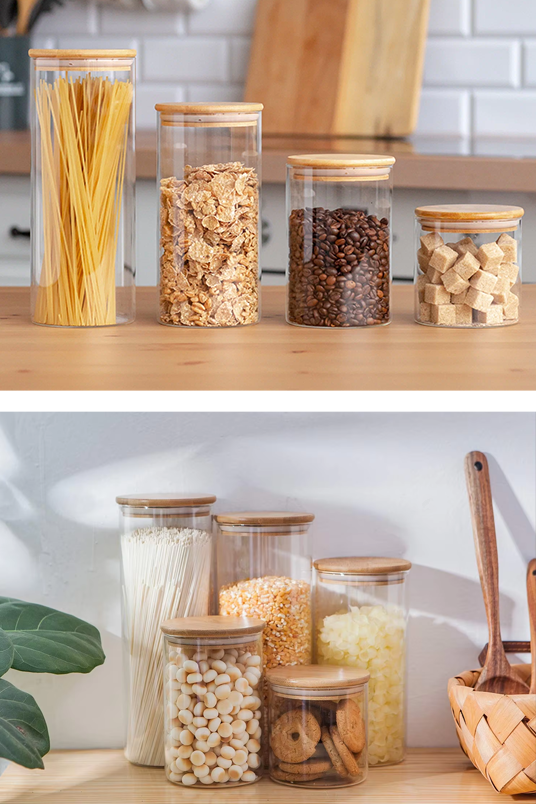 Glass Airtight Food Storage Containers Suppliersinformation to be updatedView Product →
Removing Labels From Jars at Scale
If you are cleaning 50 jars for a cafe, a deli counter, a market stall or a home canning season, the one-jar-at-a-time method stops making sense. A few practical adjustments cut the labour dramatically.
Soak in batches in a large tub rather than the sink, keeping the water at a steady 50 degrees Celsius with a kettle of hot water added every 20 minutes. Sort jars by label type first, because paper-labeled jars will be finished while the film-labeled ones are still soaking. Stack peeled jars in a second tub of hot soapy water so the residue stays soft until you get to it, then run the whole batch through a final hot rinse.
Small jars are the awkward ones. Narrow spice jars make it hard to get a thumb onto the glue band, so a cloth wrapped around a bottle brush does the rubbing for you. A matched set of small jars with clean lines and consistent lids is also easier to manage than a random collection, and it looks better on a shelf because the jars line up at the same height.
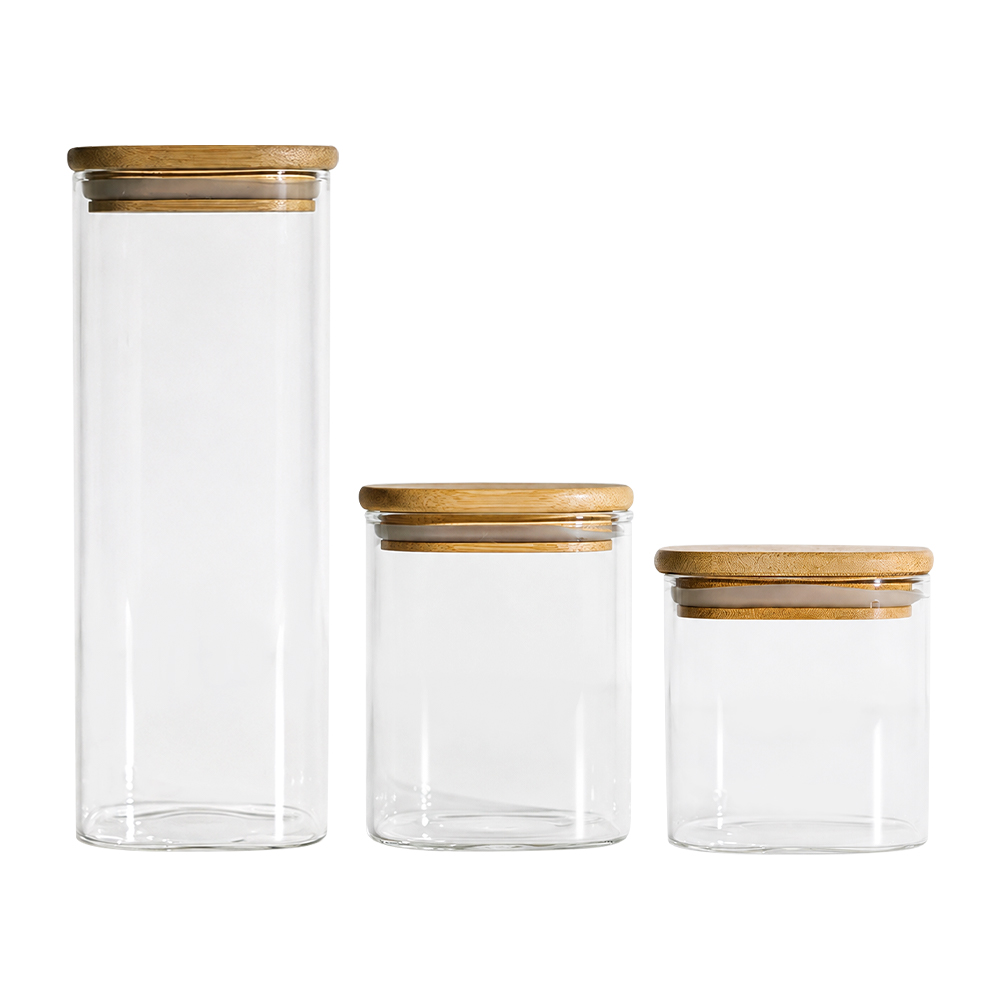 Glass Storage Jars With Wooden Lids SuppliersEver since its establishment, New Coordinate has never stopped walking in pursuit of quality.View Product →
For anyone specifying new jars rather than salvaging old ones, the label matters before the jar ever arrives. Ask the supplier which adhesive the label uses, and whether the label can be supplied as a paper face rather than a film face, because a paper label cuts removal time roughly in half. Choosing a jar in borosilicate rather than standard soda-lime glass also widens your options when cleaning, since it tolerates warm water and temperature swings with far less risk. A glass spice jar set with smooth sides, for example, releases adhesive cleanly, while a heavily embossed pattern will always hold onto glue.
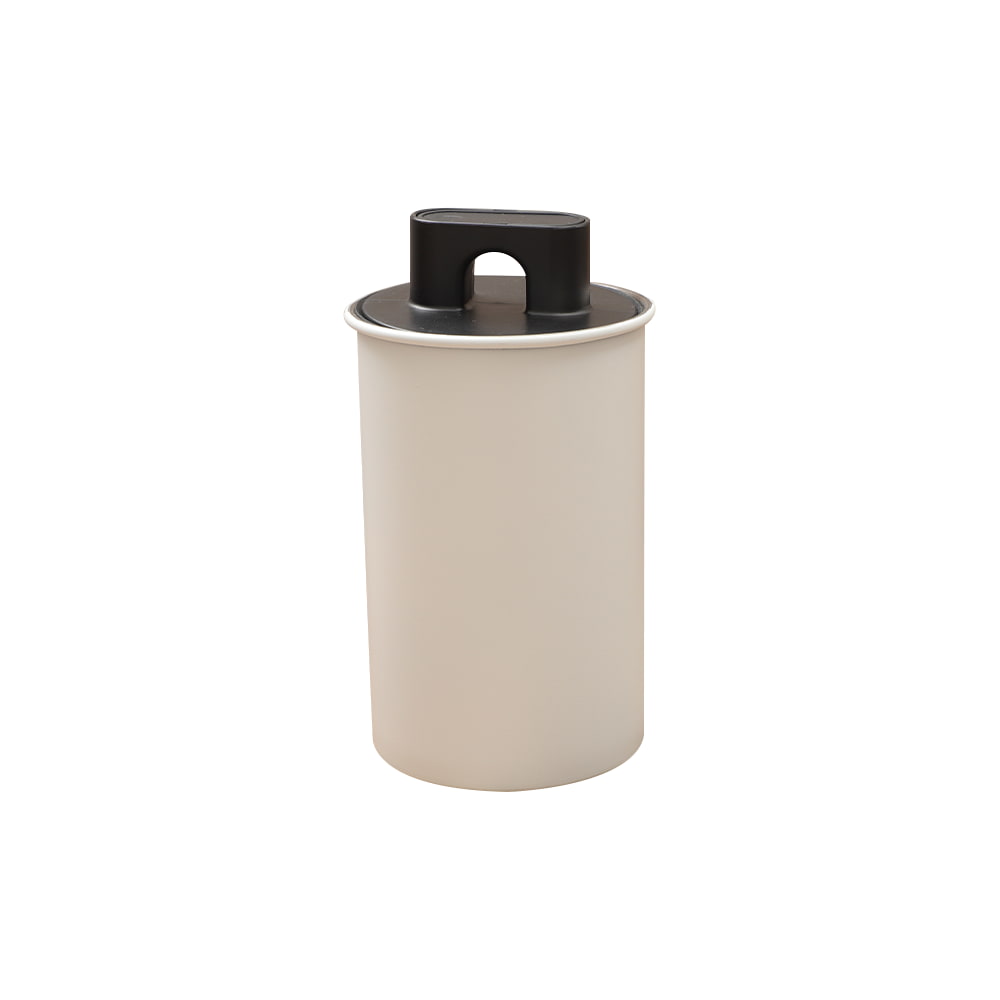 Glass Vacuum Storage Jar SuppliersThis product has patent rights in the United States and European regions. "There is a push switch on the top. Turn on the switch and push the lid to expel the internal...View Product →
Frequently Asked Questions
Does boiling water remove jar labels faster?
It can soften the glue in a minute or two, but it is the most common way people crack perfectly good jars. Water between 45 and 60 degrees Celsius loosens adhesive almost as well and gives the glass a much gentler transition. If you want to use hotter water, warm the jar first with tap water so the temperature change happens in stages.
Why is the jar still sticky after washing it?
Soap and water remove paper and food residue, but they do not dissolve acrylic adhesive. What you are feeling is a layer of softened polymer spread thin across the glass. An oil paste or a citrus-based remover breaks that layer down; soap alone will not. After the oil treatment, wash twice, because a thin oil film also feels slightly tacky to the touch.
Will vinegar or alcohol damage the glass?
Neither damages glass, which is chemically resistant to both. Vinegar is a mild acid and is safe on any glass surface, while isopropyl alcohol evaporates completely and leaves nothing behind. The real cautions are elsewhere: alcohol should not be used on plastic lids or plastic jars, and both liquids should be kept away from open flames and from painted or printed decoration on the outside of the jar.
Can I use the same method on plastic jars and containers?
Partly. Warm soapy water and the baking soda and oil paste are both safe on most food-grade plastics such as polypropylene and polyethylene. Skip anything solvent-based, including acetone, paint thinner and strong citrus degreasers, since they can cloud or craze the surface. Also keep the water below about 60 degrees Celsius, because hotter water can distort a thin-walled plastic container.
How do I remove the lingering smell of pickle or sauce from a jar?
Fill the jar with warm water and add one tablespoon of baking soda, then leave it overnight with the lid off. Rinse and repeat once. For very persistent smells, crumple a sheet of newspaper into the jar, add a splash of water, close it and leave it for a day; the paper absorbs much of the odour. Let the jar air dry upside down rather than sealing it while damp, since trapped moisture holds onto smells.
Is there one method that works on every jar?
If you only want to remember one routine, use the hot soapy soak followed by the baking soda and oil paste. That combination covers paper labels, film labels, old adhesive and embossed glass. The soak does the bulk of the work and the paste finishes the job, so you rarely need a solvent at all. Reserve alcohol and citrus removers for the rare jar with a thick, layered or factory-applied label that has resisted everything else.
Do I have to remove labels before recycling glass jars?
Most glass recycling systems accept jars with labels attached, and the paper burns off in the furnace. The bigger issue is the lid, which is usually a different material and should be separated unless your local program says otherwise. Rinsing matters more than peeling, because food residue is what attracts pests and contaminates the rest of the collection.
Recommended Products

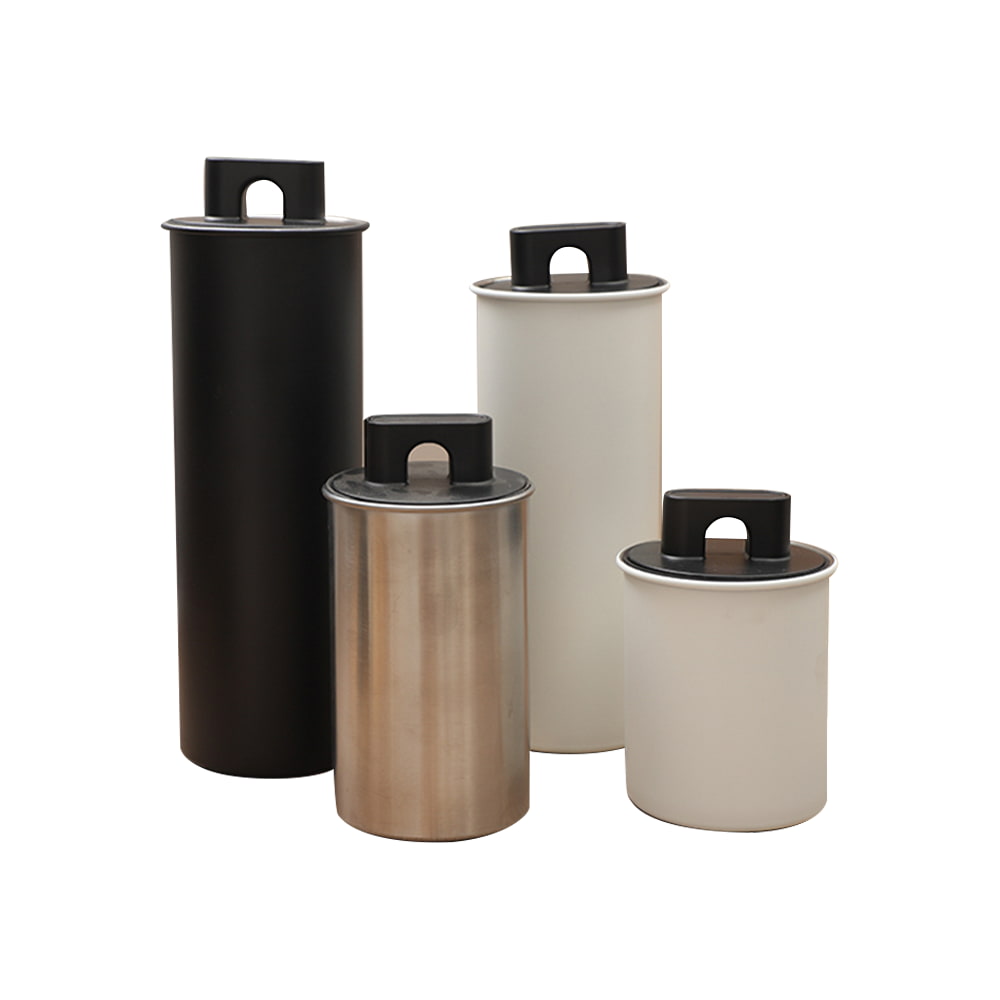


- PRODUCT
- Glass Storage Jar
- Glass/Stainless Steel Drinking ware
- Kitchen Seasoning Containers
- Home Decoration
- QUICK LINKS
- Products
- About Us
- Manufacture
- ODM/OEM
- News
- Contact Us
- CONTACT US
-
-
 7 Crystal Boulevard xi’an Feng Town, Baoying County,Jiangsu, China.
-
 WhatsApp:
+86-15005252638 -
 +86-15005252638
+86-18083766162
+86-15895746638
+86-0514-8866-8898
-
 joy@nchousewares.com
Jack@nchousewares.com
julia@nchousewares.com
-
- CONTACT

