
 English
  日本語
日本語  Deutsch
  Español




What shaker does salt go in: Applications, Selection Criteria, and Practical Guidance
Content
- 1 Salt Goes Into the Fewer-Hole Shaker — Here Is Why
- 2 The Hole-Count Rule: How Many Openings Should Salt and Pepper Shakers Have?
- 3 Matching Salt Type to the Right Shaker
- 4 Shaker Material and Lid Design: Does Glass Change the Rule?
- 5 Regional Conventions: The Salt Shaker Rule Is Not Universal
- 6 How to Tell Which Shaker Is for Salt When Nothing Is Marked
- 7 Selecting Shakers That Keep Salt Dry and Flowing
- 8 Fresh Pepper Needs a Grinder, Not Just a Shaker
- 9 Frequently Asked Questions About Salt and Pepper Shakers
- 10 Final Recommendation for the Salt Shaker Question
Salt Goes Into the Fewer-Hole Shaker — Here Is Why
If you are holding a standard salt-and-pepper set with one two-hole lid and one three-hole lid, the salt belongs in the two-hole shaker. Most North American restaurant training guides and home cooks follow this same convention. Before you start rearranging your table setting, it helps to understand why the rule exists.
Salt crystals flow more freely than pepper fragments. Fewer holes means better portion control on the plate and less risk of a single shake covering an entire steak with white flakes.
Two factors drive the rule: flow rate and seasoning control. Common table salt has a crystal size between roughly 0.1 and 0.4 millimeters. Those small, uniform cubes tumble through tiny openings almost instantly. Pepper, on the other hand, is made up of irregular, resinous pieces that cling to plastic and metal surfaces. A two-hole lid on a pepper shaker often produces clogged holes and frustratingly slow sprinkling.
Portion control matters just as much. In a practical test, tipping a two-hole shaker at a 45-degree angle and shaking once releases about 0.2 grams of salt. A three-hole shaker releases closer to 0.35 grams in the same motion. For someone watching sodium intake, that difference adds up over the course of a meal. The fewer-hole design becomes a simple, mechanical way to slow down how much salt hits your food.
The Hole-Count Rule: How Many Openings Should Salt and Pepper Shakers Have?
Many kitchenware sets ship with one two-hole shaker and one three-hole shaker, but other combinations are common. Once you move beyond a single pepper grinder and a simple salt pot, the number of holes determines which container works best for each seasoning. The table below maps the most common hole configurations to their intended contents.
| Hole Count | Typical Use | Why It Works |
|---|---|---|
| 1 hole | Powdered sugar, super-fine salt | Very fine particles need only a single opening. |
| 2 holes | Table salt | Salt flows freely, so two holes keep portions reasonable. |
| 3 holes | Ground black pepper | Extra openings let pepper pass even with irregular particles. |
| 4 holes | Coarse pepper, spice blends | Larger total opening area suits bigger fragments. |
| 5+ holes | Paprika, chili flakes, mixed dry spices | High flow rate for generous dusting. |
A few practical details explain why the two-hole salt convention is so resilient. First, salt clumps in humid air. A lid with fewer openings maintains a smaller exposed surface area, which slows moisture absorption around the rim. Second, total flow rate scales with the combined area of the holes. Two holes of the standard 2-millimeter diameter push out salt at a reasonable pace for seasoning. Third, the two-hole lid is now so common in hospitality supply chains that shaker manufacturers design their molds around it.
Matching Salt Type to the Right Shaker
Not all salt behaves the same. Fine table salt pours quickly, while coarse kosher crystals can wedge themselves inside a small hole and refuse to move. Choosing the right shaker depends on the salt you actually use at your table.
| Salt Type | Crystal Size | Ideal Shaker | Notes |
|---|---|---|---|
| Fine table salt | 0.1–0.4 mm | 2-hole glass shaker | Best flow ratio; keep away from steam. |
| Fine sea salt | 0.3–0.8 mm | 2-hole or 3-hole shaker | Slightly larger grains may need the third hole. |
| Kosher salt | 1–3 mm | Wide-mouth jar or grinder | Flat crystal shape clogs most small lids. |
| Pink Himalayan salt | 0.5–2 mm | 3-hole or 4-hole shaker | Choose by grain size; inconsistency requires larger openings. |
| Rock salt | 3–6 mm | Manual grinder or open cellar | Not suitable for a standard table shaker. |
If the household uses several salt types, the practical move is to keep fine salt at the table in a two-hole glass shaker and reserve coarse blends for a glass spice jar set placed near the stove or serving board. That way each grain size gets a container with an appropriate opening instead of one compromise lid that satisfies no one.
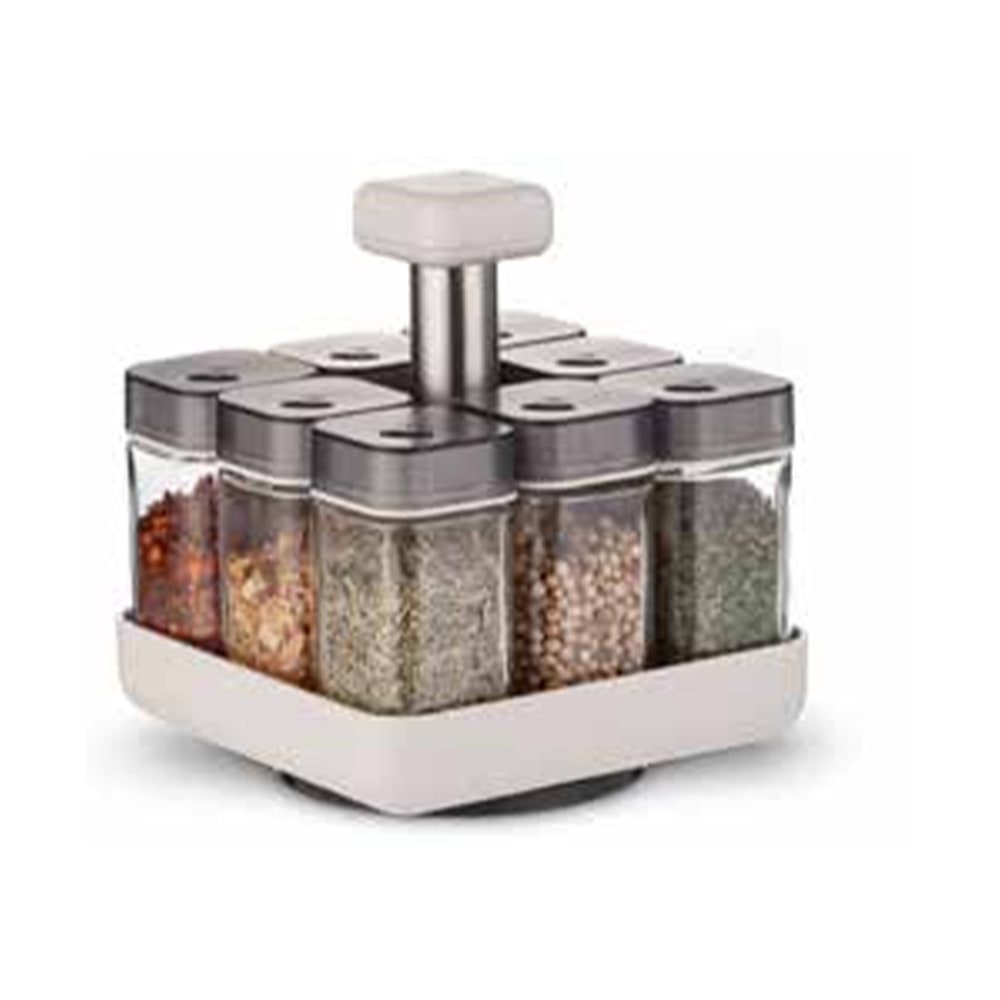 Custom Glass Spice Jar Set Suppliers, OEM/ODM Company - Yangzhou New Coordinate Yangzhou New Coordinate Household Articles Co., Ltd is China OEM/ODM Glass Spice Jar Set suppliers and custom Glass Spice Jar Set company...View Product →
Shaker Material and Lid Design: Does Glass Change the Rule?
The hole-count rule applies regardless of shaker material, but the material determines how reliably that rule works in daily use. Glass jars and shakers behave differently from plastic ones in three important ways.
- Chemical resistance: Glass does not absorb salt, oil, or the volatile compounds in pepper. Plastic containers gradually hold onto odors and can transfer stale flavors back to fresh salt.
- Surface behavior: Salt crystals slide easily across a smooth glass rim. Many plastic lids develop microscopic scratches over time, creating natural obstacles for fine salt.
- Cleaning temperature: Glass shakers can be washed with hotter water and stronger cleaning agents without warping or staining.
The lid itself also changes how the salt comes out. A traditional fixed-hole lid is straightforward, but some modern lids include a rotating cover that exposes two, three, or four openings. That design allows one glass seasoning shaker to handle both salt and coarse pepper simply by turning the lid. The hole rule still guides the setting: choose the fewer-hole position for salt and switch to the wider opening when filling the same container with pepper.
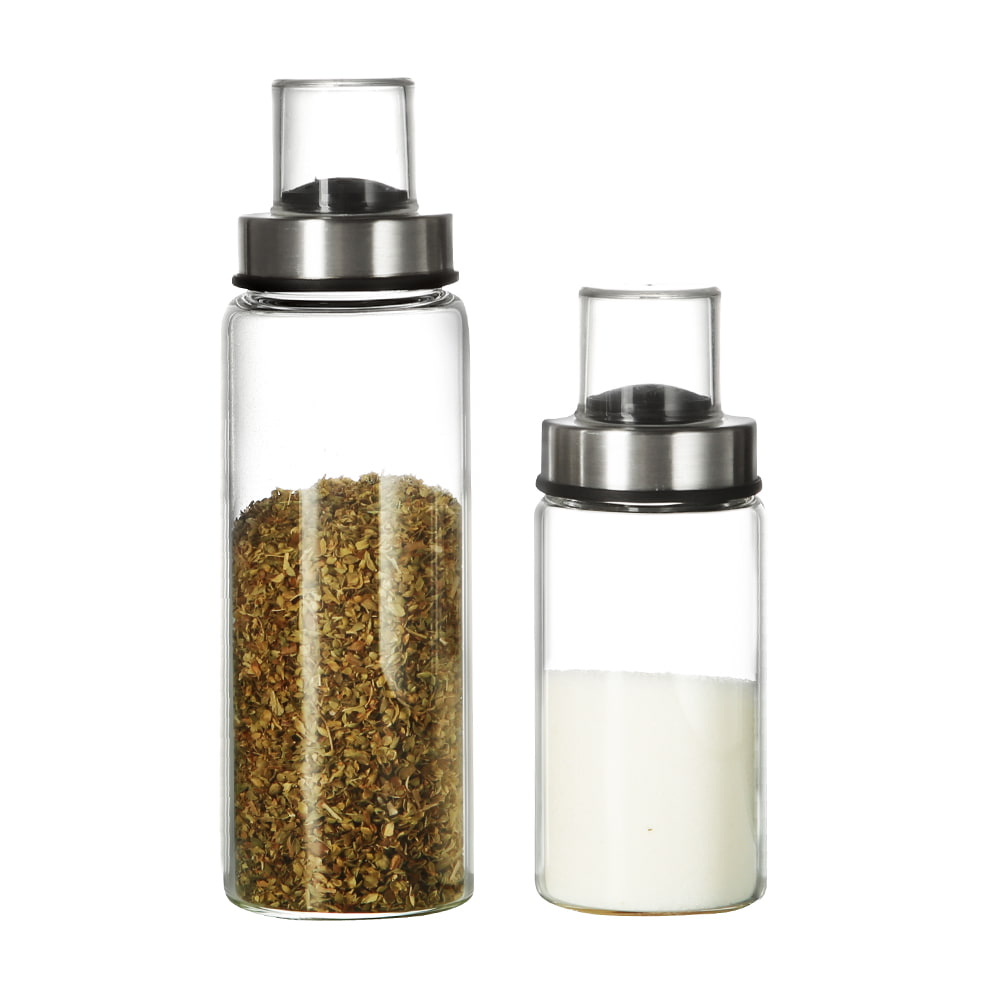 Custom Glass Seasoning Shakers Suppliers, OEM/ODM Company - Yangzhou New CoordinYangzhou New Coordinate Household Articles Co., Ltd is China OEM/ODM Glass Seasoning Shakers suppliers and custom Glass Seasoning Shakers...View Product →
Borosilicate glass shakers have an additional advantage in kitchens where hot surfaces and bright lights are common. The material withstands a wider temperature range, so a shaker left near the stove is less likely to experience thermal stress. For buyers sourcing commercial tableware, that durability matters because shakers are refilled and handled dozens of times per service.
Regional Conventions: The Salt Shaker Rule Is Not Universal
The advice to put salt in the two-hole shaker is standard in the United States and Canada. But if you travel through Europe or cook alongside someone from a different culinary tradition, you will see the opposite arrangement.
In parts of Europe, especially humid regions, restaurants traditionally place salt in the three-hole shaker and pepper in the two-hole shaker. The wider openings make salt less vulnerable to moisture clumping.
That historical split has several roots. In southern Europe, humid air settles in open salt dishes faster than in northern climates, so a larger opening allows the salt to be tapped out even when slight clumping begins. In the United States, the health-conscious campaign of the mid-twentieth century encouraged cooks to slow down salt use, and manufacturers responded by producing lids with fewer holes for the salt shaker.
The deeper lesson is that the “correct” shaker depends on your context: local habits, climate, and the grain size you actually fill. If the shakers have letter marks or raised symbols, ignore the hole count and trust the label. If there are no labels, the two-hole rule remains a dependable starting point in North American households.
How to Tell Which Shaker Is for Salt When Nothing Is Marked
Not every salt and pepper set comes with a big “S” stamped on the side. Some sets are stripped down to plain bodies with metal lids, and after a few years of dishwashing, all external markings can disappear. When that happens, use these five checks:
- Count the holes. The shaker with fewer holes gets the salt in the standard convention. This works for any two-piece set where the lids have different hole patterns.
- Check the bottom stampings. Older shaker sets often have “S” or “P” embossed on the underside of the ceramic body. Flip both shakers and look carefully around the base edge.
- Look at leftover grains. If one shaker still contains a few white crystals, that one was clearly filled with salt. Pepper dust leaves brown or black flecks near the rim.
- Weigh them in your hand. Salt is denser than most spices, so the heavier shaker usually holds salt. Over time, you will also notice that salt shakers develop tiny white traces around the lid holes.
- Test the flow with a piece of paper. Tap the shaker over white paper. Salt falls as a fine, quick stream; ground pepper drops in coarser, darker speckles that spread more slowly.
If a set uses identical lids, the only real way to distinguish them is to mark them yourself. A small dot of food-safe enamel paint on the bottom of the salt shaker solves the problem permanently without changing the look of the top.
Selecting Shakers That Keep Salt Dry and Flowing
The best shaker in the world will still let you down if moisture gets inside. Salt is hygroscopic, which means it pulls water from the air. A pantry cabinet above the dishwasher, a warm windowsill by the kettle, or a spot directly next to the stove's steam vent all encourage clumping. The fix starts before you buy the shaker.
| Design Feature | Why It Matters |
|---|---|
| Tight-fitting lid | Prevents humid air from entering the container overnight. |
| Smooth interior neck | Lets the last teaspoon of salt slide out instead of staying jammed in the shoulder. |
| Transparent body | Shows how much salt remains and makes it easier to spot contamination. |
| Removable lid | Simplifies cleaning and drying before refilling. |
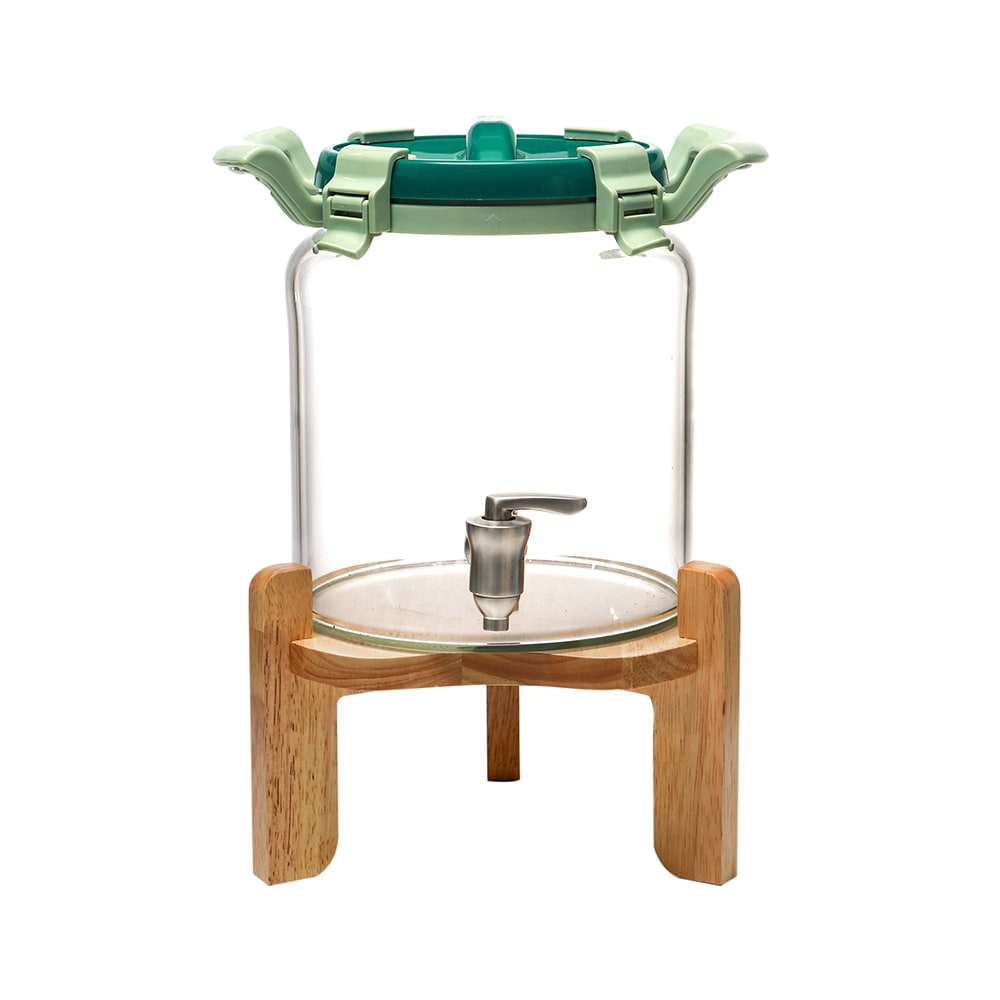
Households that cook heavily should also think about storage between meals. A glass storage jar with an airtight seal can hold a larger salt supply in the pantry while a compact shaker sits on the table. That approach keeps the bulk salt protected and lets you refill the table shaker whenever the level drops.
If you are buying shakers for a restaurant or catering operation, choose a style that can handle constant refilling. The glass spice jar set from New Coordinate pairs larger capacity with removable stainless or PP lids, so kitchen staff can wash each part thoroughly without struggling with permanent hinges. When the shaker is clean and completely dry before the next fill, salt stays free-flowing for weeks.
Custom Glass Spice Jar Set Suppliers, OEM/ODM Company - Yangzhou New Coordinate Yangzhou New Coordinate Household Articles Co., Ltd is China OEM/ODM Glass Spice Jar Set suppliers and custom Glass Spice Jar Set company...View Product →Fresh Pepper Needs a Grinder, Not Just a Shaker
The classic salt and pepper shaker set solves only part of the table seasoning puzzle. Pre-ground pepper loses its aromatic oils quickly. When the volatile compounds in peppercorns are exposed to air at room temperature, much of the sharp, citrusy top note disappears within a few months. Ground pepper from a supermarket jar may still deliver heat and earthy flavor, but it lacks the bright, complex aroma of a freshly cracked peppercorn.
stainless steel manual spice grinder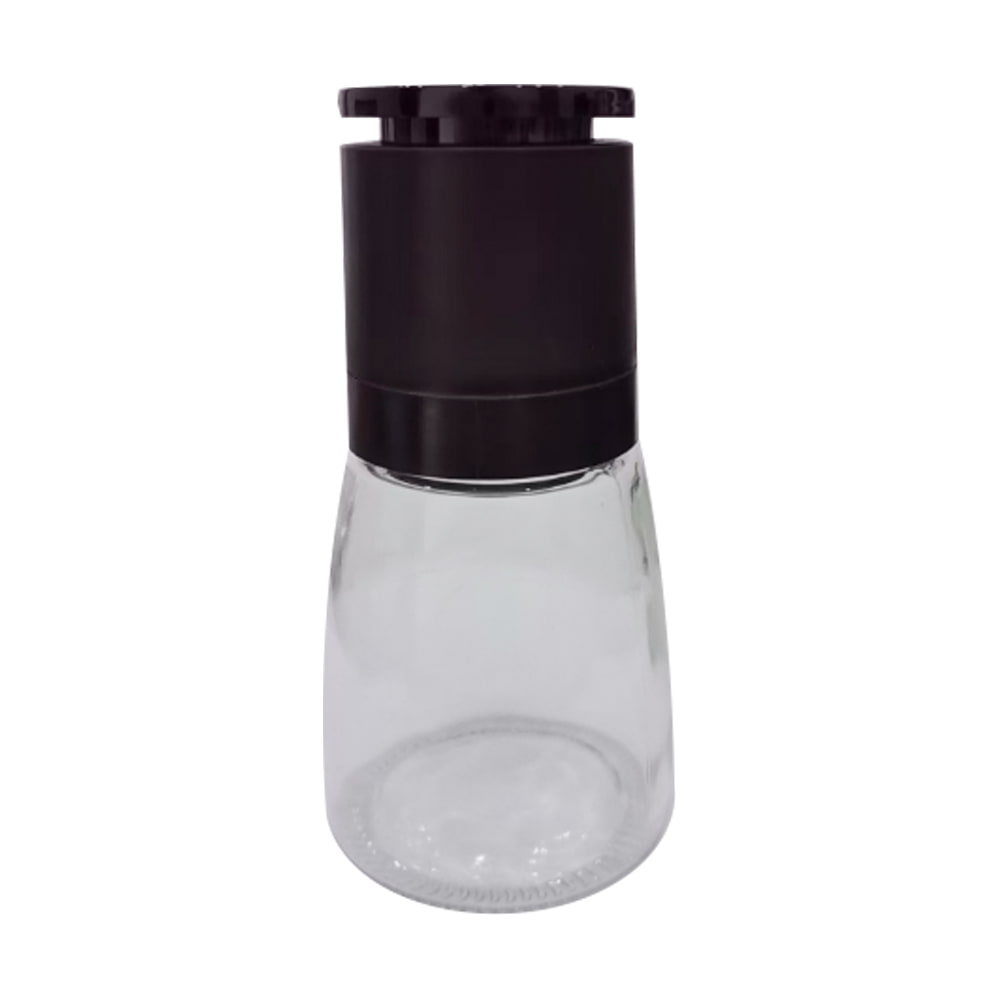 Custom Stainless Steel Manual Spice Grinder Suppliers, OEM/ODM Company - YangzhoYangzhou New Coordinate Household Articles Co., Ltd is China OEM/ODM Stainless Steel Manual Spice Grinder suppliers and custom Stainless ...View Product →
For restaurants that serve steak, pasta, or vegetables tableside, a manual grinder is closer to a necessity than an accessory. A condiment jar and seasoning container with a grinder top gives guests the choice between a light dusting and a generous crust. It also bypasses the hole-count problem entirely: whole peppercorns are held below the grinding mechanism, so the size of the holes in the lid becomes irrelevant.
On a practical level, use the two-hole shaker for salt and the grinder for pepper at the same meal. That setup avoids the confusion of unmatched lids and gives you better flavor from both seasonings. A simple glass salt shaker plus one steel grinder covers about ninety percent of what a home kitchen or bistro table needs.
Frequently Asked Questions About Salt and Pepper Shakers
Should salt go into the two-hole or three-hole shaker?
In North America, the standard rule is to place salt in the two-hole shaker and pepper in the three-hole shaker. Fine table salt flows easily through fewer holes, while pepper needs extra openings to pass without blocking.
What if both shakers have the same number of holes?
If the lids are identical, there is no built-in signal. Check for “S” and “P” markings on the bottom, or make a small painted mark on the base of the salt shaker so everyone in the household knows which one to grab.
Why did restaurants start putting salt in the smaller-hole shaker?
The shift became popular in the United States as a way to control sodium intake. Fewer holes means less salt per shake, which makes it easier for diners to moderate how much they eat.
Can coarse kosher salt be used in a two-hole shaker?
Generally not. Kosher salt crystals are too large for standard two-hole lids and will clog the openings. It is better to use a wide-mouth jar or a grinder for coarse salt.
How do I stop salt from clumping in the shaker?
Keep the shaker away from steam, clean it thoroughly, and wait until every part is bone dry before refilling. Some people add a few dry rice grains, but the most reliable approach is consistent moisture control in the cabinet where the shaker is stored.
Is glass better than plastic for a salt shaker?
Yes. Glass has no chemical reaction with salt, does not absorb odors, and can be washed at higher temperatures. That makes it easier to keep the shaker clean and free of stale seasoning residue.
Final Recommendation for the Salt Shaker Question
The practical answer to “what shaker does salt go in” is simple: put salt in the shaker with fewer holes, and put pepper in the one with more holes. That rule works for most table sets, especially the standard two-piece ceramic or glass sets found in North American kitchens. It works even better when the shaker is made of glass, has a tight-fitting lid, and is kept away from steam.
When you shop for shakers, pay attention to the grain size of the salt your household uses and the opening pattern on the lid. One two-hole glass shaker covers everyday fine salt perfectly. A separate coarse salt cellar or a grinder fills the gap when you want the crunch and flavor of bigger crystals. Keeping the containers simple and identifiable turns a small daily decision into an automatic habit.
Recommended Products


- PRODUCT
- Glass Storage Jar
- Glass/Stainless Steel Drinking ware
- Kitchen Seasoning Containers
- Home Decoration
- QUICK LINKS
- Products
- About Us
- Manufacture
- ODM/OEM
- News
- Contact Us
- CONTACT US
-
-
 7 Crystal Boulevard xi’an Feng Town, Baoying County,Jiangsu, China.
 -
 WhatsApp: +86-18083783456
 -
 +86-18083766162
+86-18083783456
+86-15895746638
+86-0514-8866-8898
-
 julia@nchousewares.com
Jack@nchousewares.com
-
- CONTACT

