
 English
  日本語
日本語  Deutsch
  Español




How to Tell Salt and Pepper Shakers Apart: 5 Easy Methods
Content
- 1 Why Salt And Pepper Shakers Get Mixed Up So Often
- 2 Method 1: Count And Measure The Holes
- 3 Method 2: Weigh The Shaker In Your Hand
- 4 Method 3: Check For Printed Or Embossed Letters
- 5 Method 4: Switch To A Glass Seasoning Bottle Set
- 6 Method 5: Smell And Texture As A Last Resort
- 7 What To Look For When Buying A New Set
- 8 Common Mistakes People Make When Guessing
- 9 A Short History Of Why Shakers Look The Way They Do
- 10 Comparing Shaker Materials And How Each Affects Identification
- 11 Regional And Cultural Differences In Shaker Design
- 12 Cleaning And Maintaining Shakers So Labels Do Not Wear Off
- 13 Troubleshooting A Clogged Or Slow-Flowing Shaker
- 14 How Storage Habits Affect Flavor And Flow Over Time
- 15 Arranging Shakers For Easy Identification At The Table
- 16 Frequently Asked Questions
- 16.1 Is it always true that the shaker with fewer holes contains salt?
- 16.2 Why does my pepper shaker clog more often than my salt shaker?
- 16.3 Can I use the same size holes for both salt and pepper?
- 16.4 Do glass shakers make it easier to avoid mixing them up?
- 16.5 What should I do if both shakers in an inherited set look completely identical?
- 16.6 Is there a difference in how quickly salt and pepper should be replaced?
- 16.7 Why do some vintage sets have identical hole patterns on both shakers?
- 16.8 Does the number of holes ever indicate flow rate rather than contents?
- 16.9 Is it safe to combine two mismatched shakers into one matching pair?
- 16.10 How can I tell if a shaker was designed for salt or pepper if it has a grinding mechanism instead of holes?
The fastest way to tell salt and pepper shakers apart is to count the holes and check the cap markings first. In most Western-made sets, the shaker with fewer, larger holes is the salt shaker, while the one with more, smaller holes is the pepper shaker, because salt granules are coarser and need bigger openings to flow freely, while ground pepper is fine and pours easily through tiny perforations. If the caps carry an "S" or "P" stamp, that marking overrides the hole count and should be trusted first. When neither clue is visible, weight, color of the contents, and a quick smell test will settle the question in seconds. The rest of this guide walks through every reliable method, including how a modern Glass Seasoning Bottle set removes this guesswork entirely with printed labels and clear glass bodies.
Why Salt And Pepper Shakers Get Mixed Up So Often
Antique and mid-century shaker sets rarely came with printed labels because manufacturers assumed the hole pattern alone would communicate the contents. Over decades, lids get swapped between sets during cleaning, garage sales bundle mismatched pairs together, and thrift store shoppers often pick up shakers without their original partner. Ceramic, wood, and metal shakers make the problem worse because the opaque body hides the contents, leaving only the lid pattern as a clue. This is one reason interior stylists and home cooks increasingly prefer a Glass Seasoning Bottle pair, since a transparent body instantly shows whether the contents are white salt crystals or darker pepper flecks, removing the need to rely on hole-counting at all.
Collectors who buy vintage sets on secondary markets face an additional wrinkle: hole patterns were never standardized across countries or factories. A shaker made in one region during the 1950s might follow the opposite convention from one made in another region during the same decade. That inconsistency is exactly why this guide covers multiple independent methods rather than relying on a single rule.
Method 1: Count And Measure The Holes
Hole counting remains the single most widely used trick, and it works in the majority of Western table settings. Turn the shaker upside down, hold it toward a light source, and count the perforations on the lid.
- A lid with 1 to 3 holes, each noticeably wide, almost always belongs to the salt shaker.
- A lid with 5 or more small pinhole-sized openings almost always belongs to the pepper shaker.
- If both lids look identical, the set was likely designed to be filled and swapped freely, and you will need a secondary method below.
This convention exists purely because of particle size. Table salt crystals typically measure around 0.3 to 0.5 millimeters across, so a shaker needs only a few generously sized holes to release a usable pinch. Ground black pepper particles are far finer, often under 0.1 millimeters, and a single wide hole would dump out far too much seasoning in one shake. Manufacturers compensated by drilling many narrow holes so the flow rate stayed controlled.
Method 2: Weigh The Shaker In Your Hand
When two shakers in a set look nearly identical and neither has a visible marking, lift both at the same time. Salt is noticeably denser than ground pepper, so a shaker filled with salt will feel heavier than an equally sized shaker filled with pepper, even when both are filled to the same level. Fine table salt has a density of roughly 1.2 grams per cubic centimeter, while ground black pepper sits closer to 0.5 grams per cubic centimeter, meaning a full salt shaker can weigh more than twice as much as a same-size pepper shaker holding the identical volume.
This trick is especially useful with metal or wood shakers where you cannot see through the body. It is less reliable if one shaker is only half full, so combine it with the hole-count method whenever possible for a confident answer.
Method 3: Check For Printed Or Embossed Letters
Many ceramic, glass, and stainless steel shakers include a small embossed or painted "S" or "P" on the base, the shoulder, or the underside of the lid. This marking is the most reliable indicator available because it removes any guesswork tied to hole count or density. Rotate the shaker slowly under bright light and inspect the base ring, the neck area just below the lid, and the lid itself, since manufacturers place the letter in different spots depending on the production line.
Some European-made sets use "Sel" and "Poivre" instead of single letters, while sets made for Spanish-speaking markets may print "Sal" and "Pimienta." If you inherited a set from another country, a quick search of the maker's mark stamped on the bottom can confirm the country of origin and the labeling convention used at the time of production.
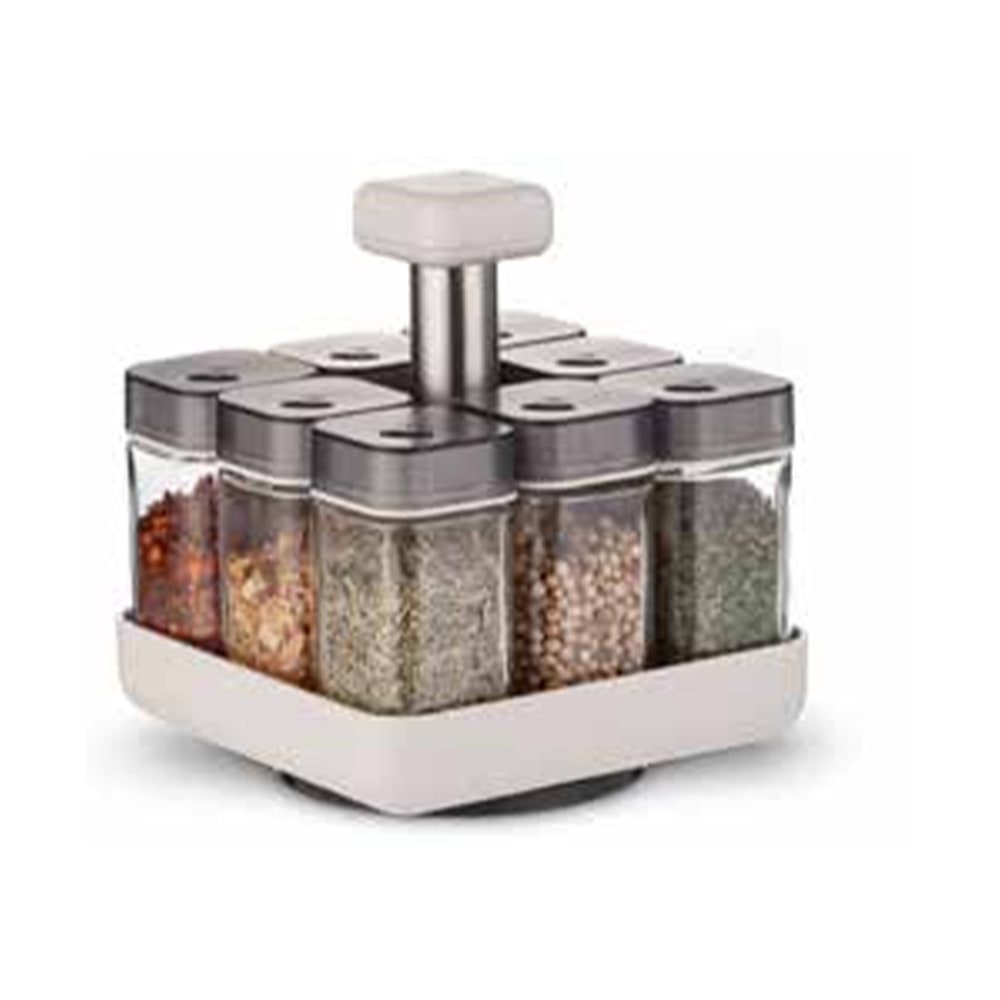
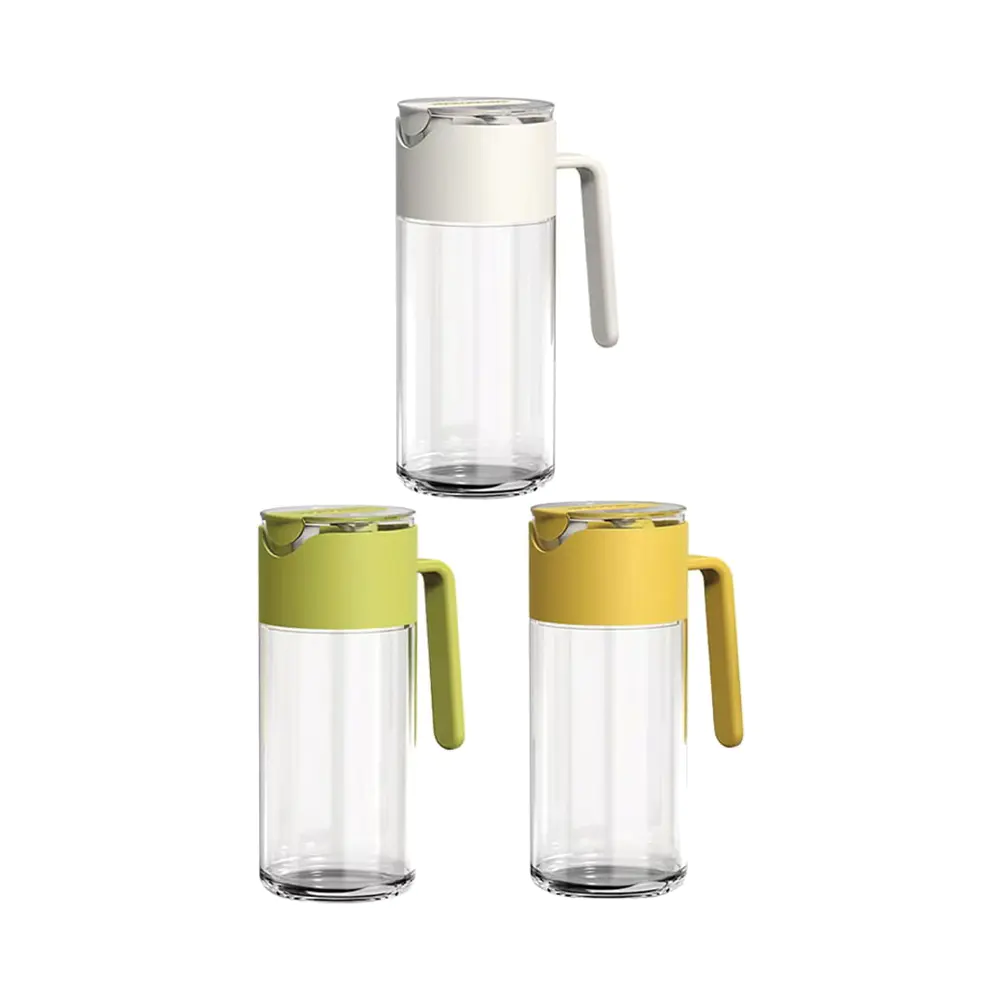
Method 4: Switch To A Glass Seasoning Bottle Set
The most permanent fix for this recurring mix-up is to replace ambiguous vintage shakers with a modern Glass Seasoning Bottle pair. These sets solve the identification problem at the design stage rather than asking the user to guess after the fact.
| Feature | Traditional Ceramic Shaker | Glass Seasoning Bottle |
|---|---|---|
| Visibility of contents | Hidden behind opaque walls | Fully visible through clear body |
| Labeling | Often missing or worn off | Printed or etched labels included |
| Refill monitoring | Requires opening the lid to check | Fill level visible at a glance |
| Moisture resistance | Varies by glaze quality | Non-porous glass resists clumping |
Because the glass body is transparent, you can tell the two apart from across the kitchen without touching either bottle. White, fine-grained salt looks distinctly different from coarser, darker pepper even from several feet away, which is one reason this style has become popular in open kitchens and dining rooms where the shakers sit on display.
Method 5: Smell And Texture As A Last Resort
If the hole count is ambiguous, there is no marking, and the shakers are sealed shut, a light shake near your nose can help. Pepper has a sharp, slightly spicy aroma that is noticeable even through a mostly closed shaker, while salt has almost no scent at all. You can also tap a tiny amount onto a dark plate; pepper will show as small dark specks, while salt will appear as fine white crystals that catch the light.
This method should be used only when the first four approaches fail, since it requires opening or tapping the shaker and is more time-consuming than a visual check.
Common Mistakes People Make When Guessing
Relying on a single clue is the most frequent source of error. A shaker with a worn-off letter and a hole pattern that looks similar to its partner will trick even experienced cooks. Another common mistake is assuming hole count conventions are universal; while the fewer-larger-holes-for-salt rule holds true across most Western tableware, it is not a guaranteed standard everywhere, and some novelty or decorative sets ignore the convention entirely in favor of matching aesthetics. Finally, many people forget that refilling shakers themselves can break the original pairing if they accidentally swap lids between two bottles during cleaning, so it helps to refill and re-cap one shaker completely before starting the second.
A less obvious mistake is judging contents purely by color under warm kitchen lighting. Incandescent or yellow-toned bulbs can make coarse salt look slightly tan, which some people mistake for a light pepper blend, especially in dim dining rooms or restaurant booths. Holding the shaker under natural daylight or a cooler white light source for a few seconds usually resolves this confusion instantly, since the crystal structure of salt is easy to distinguish from the flaky, irregular texture of ground pepper once the lighting is accurate.
A Short History Of Why Shakers Look The Way They Do
The paired salt and pepper shaker as a household object became common in the late nineteenth and early twentieth centuries, once table salt manufacturers began adding anti-caking agents that allowed salt to flow freely through small holes instead of clumping into a solid block. Before that period, salt was often served from an open cellar dish and portioned with a small spoon, while pepper, being more expensive and used sparingly, was more commonly kept in a shaker or mill. As free-flowing salt became widely available, matching shaker pairs became a standard part of table settings, and manufacturers began experimenting with hole patterns, shapes, and materials to help households quickly tell one from the other without reading a label every time.
By the mid-twentieth century, ceramic and glass shaker sets had become collectible items in their own right, produced in matching pairs shaped like fruit, animals, and household objects. Because these novelty sets prioritized visual charm over functional labeling, the identification problem this guide addresses became more common precisely during this era, and many of the mismatched or unmarked shakers found in secondhand shops today trace back to this period of decorative production.
Comparing Shaker Materials And How Each Affects Identification
The material a shaker is made from has a direct effect on how easy or difficult it is to tell salt and pepper apart. Below is a breakdown of the most common materials used in household and restaurant shakers, along with the practical implications for each.
Ceramic Shakers
Ceramic is the most common material for decorative shaker sets. Because the body is opaque, ceramic shakers rely almost entirely on hole count, weight, and printed markings for identification. Glaze finishes can also wear unevenly over time, sometimes fading painted letters until they become illegible, which is one reason ceramic sets are the most frequent source of confusion among the shaker types discussed in this guide.
Glass Shakers
Glass shakers, including a modern Glass Seasoning Bottle, solve the identification problem inherently because the contents remain visible at all times. Even without a label, a quick glance shows whether the shaker holds coarse white salt crystals or darker, flakier ground pepper. Glass is also non-porous, which means it does not absorb odors or oils from pepper over time the way some untreated wood or unglazed ceramic can.
Stainless Steel Shakers
Metal shakers are popular in restaurants because they resist breakage and hide fingerprints well, but their opaque body means diners must rely entirely on printed labels or hole count. Many commercial steel sets use a stamped letter on the lid specifically because metal offers no visual clue to the contents otherwise.
Wooden Shakers
Wooden shakers are common for pepper mills in particular, since whole peppercorns are ground fresh at the table rather than poured from pre-ground stock. Wood shakers used for salt typically have a wider grinding mechanism to accommodate coarser salt crystals or rock salt, and the mechanism size itself can serve as an identification clue, since a mill built for fine peppercorns will usually be narrower than one built for chunky rock salt.
| Material | Contents Visible | Common Identification Method | Typical Setting |
|---|---|---|---|
| Ceramic | No | Hole count, printed letter | Home dining table |
| Glass | Yes | Direct visual check | Modern kitchens, open shelving |
| Stainless Steel | No | Stamped label | Restaurants, diners |
| Wood | No | Grinder mechanism width | Formal dining, mills |
Regional And Cultural Differences In Shaker Design
Hole-count conventions were never governed by a single global standard, and households that own imported or antique sets should be aware of a few regional patterns. In much of North America and the United Kingdom, the fewer-larger-holes-for-salt rule is followed closely by major tableware manufacturers, making it a dependable rule of thumb for sets produced domestically. In parts of continental Europe, some manufacturers reversed the convention or used identical hole counts on both shakers, relying instead on printed words such as "Sel," "Poivre," "Salz," or "Pfeffer" for identification. Sets produced in parts of Asia sometimes favor a single shaker with two separate compartments and two different lid patterns rather than two separate bottles, which can confuse anyone expecting a traditional two-piece set.
Because of this variation, anyone working with an inherited or imported set should treat hole count as a helpful first guess rather than an absolute rule, and should confirm with a weight check, smell test, or small taste test before trusting the result completely, particularly for sets that appear to be older than a few decades or that came from outside typical domestic tableware lines.
Cleaning And Maintaining Shakers So Labels Do Not Wear Off
Once you have correctly identified which shaker holds salt and which holds pepper, a bit of routine care keeps that identification easy for years to come. Hand washing ceramic and glass shakers rather than running them through a dishwasher helps preserve painted letters and decals, since repeated exposure to hot water, detergent, and high-pressure jets is the most common reason lettering fades over time. Drying shakers immediately after washing, rather than letting them air dry with the lid on, prevents moisture from becoming trapped inside, which can cause salt to clump and pepper to develop a stale smell.
- Wipe the lid holes with a dry cotton swab weekly to prevent buildup that can obscure the hole pattern.
- Store shakers away from direct stovetop steam, which accelerates both label fading and salt clumping.
- Add a few grains of dry rice to a salt shaker to absorb residual moisture if your kitchen tends to be humid.
- For a Glass Seasoning Bottle, wipe the exterior with a lint-free cloth to keep the transparent body clear enough to see contents at a glance.
Troubleshooting A Clogged Or Slow-Flowing Shaker
Even after correctly identifying which shaker holds which seasoning, a clogged hole can make the shaker behave unpredictably and lead to confusion about whether it was filled correctly in the first place. Ground pepper is the more frequent culprit because its natural oils cause particles to stick together in humid conditions, gradually narrowing or fully blocking the small holes designed for it. Salt clogs less often but can still harden into a solid mass if moisture gets inside the shaker, particularly in coastal or humid climates.
If a shaker stops dispensing evenly, empty the contents, rinse the lid under warm water, and use a dry toothpick to clear each hole individually rather than soaking the entire lid, since soaking can trap water inside threaded caps and cause rust on metal shakers or mold growth in wood shakers. Refilling with fresh, dry seasoning after this process typically restores normal flow, and switching to a Glass Seasoning Bottle with a wider, easy-clean cap can reduce how often this maintenance step is needed.
How Storage Habits Affect Flavor And Flow Over Time
How and where shakers are stored between meals has a measurable effect on both flavor retention and how easy the contents are to identify visually. Ground pepper loses aromatic intensity fairly quickly once exposed to air and light, with many home cooks noticing a flatter flavor after roughly two to three months of daily use in an uncovered shaker. Salt, by contrast, is chemically stable and does not lose flavor over time, though it can absorb ambient moisture and humidity if left near a sink, dishwasher vent, or stovetop, which leads to clumping rather than flavor loss.
| Factor | Effect On Salt | Effect On Pepper |
|---|---|---|
| Humidity | Clumping, slower flow | Sticking, hole blockage |
| Direct sunlight | Minimal effect | Gradual flavor and color fading |
| Extended open-air exposure | No flavor change | Noticeable aroma loss over weeks |
Because pepper degrades faster than salt, some households intentionally fill the pepper shaker with a smaller amount at a time, refilling more frequently from a sealed backup container, while the salt shaker can be filled generously since it does not go stale. This habit indirectly helps with identification too, since a consistently lighter, more frequently refilled shaker is very likely the pepper shaker if all other clues are inconclusive.
Arranging Shakers For Easy Identification At The Table
Beyond the shakers themselves, how they are arranged on a table or kitchen counter can make ongoing identification easier for everyone in the household, not just the person who originally filled them. A consistent placement habit, such as always positioning the salt shaker to the left and the pepper shaker to the right of a condiment tray, removes the need to re-check hole count or markings every single time. Restaurants commonly train staff to follow this same left-right convention specifically because it speeds up table resets and reduces the chance of a server unintentionally swapping shakers between tables.
For households using a Glass Seasoning Bottle pair, a small tray or wooden caddy with two shaped slots, one slightly wider for the coarser salt bottle, adds a second layer of consistency, ensuring the bottles always return to the same position after washing.
Frequently Asked Questions
Is it always true that the shaker with fewer holes contains salt?
It is true for the majority of mass-produced Western tableware, since the convention developed around particle size differences between coarse salt and fine ground pepper. However, decorative, novelty, and some imported sets do not always follow this rule, so it should be treated as a strong hint rather than an absolute guarantee.
Why does my pepper shaker clog more often than my salt shaker?
Ground pepper contains natural oils that can cause particles to clump together, especially in humid kitchens, and the smaller holes used for pepper are more prone to blockage than the wider holes used for salt. Storing pepper shakers away from stovetop steam and keeping the holes dry after washing reduces clogging significantly.
Can I use the same size holes for both salt and pepper?
You can, but the seasoning will not dispense at an even rate. A hole sized for coarse salt will release far too much finely ground pepper in a single shake, making it harder to season food evenly, which is why most manufacturers intentionally size the holes differently for each seasoning.
Do glass shakers make it easier to avoid mixing them up?
Yes. A transparent Glass Seasoning Bottle lets you see the color and texture of the contents at a glance, which is far faster and more reliable than counting holes or searching for a worn-off letter, particularly for anyone who cooks frequently and needs quick identification while their hands are busy.
What should I do if both shakers in an inherited set look completely identical?
Use the weight test first, since salt is roughly twice as dense as ground pepper when filled to the same level, then confirm with a small taste or smell test if the weight difference is not obvious. Once identified, consider marking the base with a small permanent dot or sticker on the correct shaker so you never need to repeat the test.
Is there a difference in how quickly salt and pepper should be replaced?
Salt does not spoil and can stay in a shaker indefinitely as long as moisture is kept out, while ground pepper gradually loses its aromatic oils and flavor intensity over a few months of open-air exposure, so pepper shakers generally benefit from more frequent refilling with freshly ground pepper.
Why do some vintage sets have identical hole patterns on both shakers?
Some mid-century decorative sets were designed primarily for visual matching rather than functional differentiation, meaning both shakers used the same mold and hole pattern purely for symmetry. In these cases, the manufacturer expected the owner to remember which bottle was filled with which seasoning, or relied on a printed paper label that has since worn away, which is why unmarked vintage sets are the most difficult to identify using hole count alone.
Does the number of holes ever indicate flow rate rather than contents?
In a small number of specialty sets, particularly those designed for coarse sea salt or large-grain finishing salt, manufacturers sometimes reduce the hole count even further, down to a single large opening, purely to control portion size rather than to signal that the shaker is for salt specifically. When in doubt, combining hole count with a weight or visual check remains the safest approach.
Is it safe to combine two mismatched shakers into one matching pair?
Yes, as long as both shakers are clean and food-safe, there is no issue with pairing a salt shaker from one set with a pepper shaker from another, and many households do this intentionally when an original partner is lost or broken. Choosing two shakers with different hole counts or different cap shapes when creating a new pair makes future identification easier going forward.
How can I tell if a shaker was designed for salt or pepper if it has a grinding mechanism instead of holes?
Grinding mills built for salt typically use a wider ceramic or stainless steel grinding mechanism to accommodate larger rock salt crystals, while mills built for peppercorns use a narrower mechanism designed to crack whole, round peppercorns evenly. If the mechanism looks wide enough to visibly see chunky crystals passing through, it is very likely intended for salt rather than pepper.
Recommended Products


- PRODUCT
- Glass Storage Jar
- Glass/Stainless Steel Drinking ware
- Kitchen Seasoning Containers
- Home Decoration
- QUICK LINKS
- Products
- About Us
- Manufacture
- ODM/OEM
- News
- Contact Us
- CONTACT US
-
-
 7 Crystal Boulevard xi’an Feng Town, Baoying County,Jiangsu, China.
 -
 WhatsApp:
+86-15005252638 -
 +86-15005252638
+86-18083766162
+86-15895746638
+86-0514-8866-8898
-
 joy@nchousewares.com
Jack@nchousewares.com
julia@nchousewares.com
-
- CONTACT

