
 English
  日本語
日本語  Deutsch
  Español




How to Keep Apples from Browning in a Lunch Box?
Content
- 1 How to Keep Apples from Browning in a Lunch Box: The Most Effective Methods
- 2 Why Apple Slices Turn Brown in the First Place
- 3 The Best Methods to Keep Apple Slices Fresh in a Lunch Box
- 4 Method Comparison: How Long Each Keeps Apple Slices Fresh
- 5 Choosing the Right Lunch Box Container for Apple Slices
- 6 Which Apple Varieties Brown the Slowest
- 7 Practical Tips for Packing Apple Slices in the Lunch Box Every Day
- 8 Common Questions About Keeping Apple Slices Fresh
- 8.1 Does wrapping in plastic wrap actually help?
- 8.2 Is browned apple safe to eat?
- 8.3 Can you freeze apple slices to keep them fresh?
- 8.4 Does orange juice work the same way as lemon juice?
- 8.5 How long can you store treated apple slices in the refrigerator?
- 8.6 Do commercial pre-sliced apples use the same methods?
- 8.7 Can you use apple cider vinegar instead of lemon juice?
- 9 Putting It All Together: A Routine for Perfect Lunch Box Apples
How to Keep Apples from Browning in a Lunch Box: The Most Effective Methods
The quickest and most reliable way to keep apple slices from browning in a lunch box is to coat them with an acid — lemon juice is the classic choice — then pack them in an airtight container with as little air exposure as possible. Browning happens because of a chemical reaction called enzymatic oxidation: when the flesh of an apple is cut and exposed to oxygen, an enzyme called polyphenol oxidase (PPO) reacts with phenolic compounds in the fruit and turns them brown. Blocking either the enzyme or the oxygen stops the process. Several easy kitchen methods do exactly that, and many of them work well enough to keep apple slices looking fresh for a full school or work day.
This article covers every practical method — from lemon juice and salt water to honey water and rubber-band reassembly — along with the science behind each one, timing tips, and how to choose the right lunch box or container to make the results last as long as possible.
Why Apple Slices Turn Brown in the First Place
Understanding the mechanism behind browning makes it easier to pick the right prevention method. The process is called enzymatic browning, and it is the same reaction that browns bananas, avocados, and potatoes when they are cut.
Apple flesh contains phenolic compounds — natural antioxidants — and an enzyme called polyphenol oxidase (PPO). When the cells are intact, these two substances are stored in separate parts of the cell. Slicing an apple breaks the cell walls and brings PPO into contact with the phenolic compounds. In the presence of oxygen from the air, PPO catalyzes a reaction that converts the phenolics into brown-colored quinones. Those quinones then react further to produce the brown pigment melanin.
The rate of browning depends on several variables:
- Temperature — warmer temperatures speed up the reaction, which is why a lunch box left in a warm locker browns faster than one kept cool with an ice pack.
- Oxygen exposure — the more air touching the cut surface, the faster the browning.
- pH — lower pH (more acidic) slows PPO activity significantly.
- Apple variety — some varieties, such as Arctic Apples, have been genetically modified to produce far less PPO. Among conventional varieties, Fuji and Honeycrisp tend to brown more slowly than Red Delicious or Granny Smith.
According to a study published in the journal Postharvest Biology and Technology, PPO activity is highest in freshly cut apple tissue and slows considerably when pH drops below 4.0. Most of the methods below work precisely by achieving that lower pH or by physically limiting oxygen contact.
The Best Methods to Keep Apple Slices Fresh in a Lunch Box
Lemon Juice Soak (The Classic Method)
Squeezing fresh lemon juice over apple slices — or briefly soaking them in a diluted lemon juice solution — is probably the most widely used home technique, and for good reason. Lemon juice is highly acidic (pH around 2–3), which lowers the pH of the apple surface quickly and inhibits PPO activity. It also contains ascorbic acid (vitamin C), which acts as an additional antioxidant by reacting with the quinones before they form brown pigment.
How to do it: Mix 1 tablespoon of fresh or bottled lemon juice with 1 cup of cold water. Soak the apple slices for 3–5 minutes, then drain and pat lightly dry before packing in the lunch box. This dilution reduces the tartness noticeably while still providing effective protection for 4–6 hours.
If you prefer a stronger protection for a longer day, use undiluted lemon juice and toss the slices to coat them on all cut surfaces. The flavor will be noticeably more tart, but some children and adults enjoy it. Lime juice works equally well and gives a slightly different flavor profile.
Salt Water Soak
A salt water soak is one of the most effective methods and does not alter the flavor of apple slices as noticeably as lemon juice. Salt works partly by drawing moisture to the surface of the apple tissue, and the sodium ions interfere with PPO enzyme activity.
How to do it: Dissolve ¼ teaspoon of table salt in 2 cups of cold water. Soak the slices for 3–5 minutes, then rinse well under cold water and drain before packing in the lunch box. Rinsing is important — without it, the slices may taste slightly salty. According to America's Test Kitchen, this method can keep apple slices from browning for up to 8 hours when the slices are then stored in an airtight container.
This is a particularly practical option for packing slices into a lunch box the night before, since it offers a longer window of protection than most acid-only methods.
Honey Water Soak
Honey contains a natural enzyme — glucose oxidase — that produces small amounts of hydrogen peroxide, and honey has a naturally low pH and high sugar concentration. All of these properties work together to slow enzymatic browning. Research published in the Journal of Food Science found that soaking apple slices in a honey solution reduced browning by more than 50% compared to untreated slices stored at room temperature.
How to do it: Mix 2 tablespoons of honey into 1 cup of warm water and stir until fully dissolved. Allow the solution to cool, then soak apple slices for 30 seconds to 1 minute. Drain and pack immediately. The honey leaves a very light, pleasant sweetness on the slices, which many children find appealing. This makes the honey water soak one of the most lunch-box-friendly methods.
Note: Honey should not be given to infants under 12 months of age due to the risk of botulism. For older children and adults it is completely safe.
The Rubber Band or Reassembly Method
This clever technique requires no soaking at all. After coring the apple, slice it into wedges and then press the wedges back together in the original shape of the apple. Secure them tightly with a rubber band or by wrapping the whole reassembled apple in plastic wrap or beeswax wrap. By keeping the cut surfaces pressed against each other, you dramatically reduce the amount of oxygen that reaches the flesh.
How to do it: Core the apple, cut it into 8 or so wedges, press them back into an apple shape, and secure with one or two rubber bands. Pack the intact reassembled apple into the lunch box — once opened at lunchtime, the inner flesh will still be mostly white. This method works best when the slices have not been pre-separated for more than a minute or two, and when the lunch box is kept cool.
The advantage of this method is that it requires no special ingredients and takes seconds. The disadvantage is that it does not work for finely sliced apples or apple sticks intended for dipping.
Pineapple Juice Soak
Pineapple juice is naturally acidic and contains citric acid, which works similarly to lemon juice to inhibit PPO. It also adds a mild tropical sweetness. Many parents prefer it over lemon juice precisely because of the flavor it imparts, and pineapple juice is easy to find in small individual-serving containers at the grocery store.
How to do it: Toss apple slices in a few tablespoons of 100% pineapple juice until evenly coated. Let them sit for 1 minute, drain off excess juice, and pack into the lunch box. Apple slices treated this way typically stay fresh-looking for 4–5 hours at room temperature, and longer when kept cool.
Ascorbic Acid (Vitamin C) Powder
Ascorbic acid — the chemical name for vitamin C — is the primary active ingredient in commercial fruit-fresh products like Ball Fruit-Fresh. It works by acting as a reducing agent, donating electrons to the quinone compounds before they can form brown pigment. This interrupts the browning reaction at the chemical level.
How to do it: Dissolve ¼ teaspoon of ascorbic acid powder in 1 cup of cold water. Soak apple slices for 2–3 minutes, drain, and pack. Ascorbic acid is odorless and tasteless at these concentrations, so it does not alter the flavor of the apples at all. This makes it one of the most neutral-tasting methods available. It is also safe to consume in large quantities.
Ascorbic acid powder is available at pharmacies, natural food stores, and online. A small container typically costs a few dollars and contains enough for hundreds of applications, making it very economical for regular lunch box use.
Ginger Ale or Citrus-Flavored Sparkling Water
A surprising but genuinely effective option is to toss apple slices in a splash of ginger ale or citrus-flavored sparkling water. Both are acidic enough to slow browning, and the carbonation may help displace some oxygen from the surface of the slices. The sugar and citric acid in ginger ale work in a similar way to diluted lemon juice.
This is not quite as effective as pure lemon juice, but it is a good option when you are packing a lunch quickly and do not have citrus on hand. Toss the slices in 2–3 tablespoons of ginger ale, let them rest for 30 seconds, and pack immediately in a well-sealed container.
Method Comparison: How Long Each Keeps Apple Slices Fresh
The table below summarizes the approximate duration each method keeps apple slices from significant browning when stored in an airtight container at typical room temperature (around 70°F / 21°C). Results will vary with apple variety, the freshness of the apple, and how tightly sealed the container is.
| Method | Approx. Effective Duration | Flavor Impact | Best For |
|---|---|---|---|
| Lemon juice (diluted) | 4–6 hours | Mild tartness | Most situations |
| Salt water soak (rinsed) | 6–8 hours | Neutral if rinsed | Overnight prep |
| Honey water soak | 3–5 hours | Lightly sweet | Kids' lunch boxes |
| Rubber band reassembly | 4–6 hours | None | Quick packing, no ingredients |
| Pineapple juice | 4–5 hours | Mild tropical | Flavor variety |
| Ascorbic acid powder | 6–8 hours | None | Flavor-neutral, bulk prep |
| Ginger ale toss | 2–3 hours | Very mild sweet | Quick last-minute fix |
Choosing the Right Lunch Box Container for Apple Slices
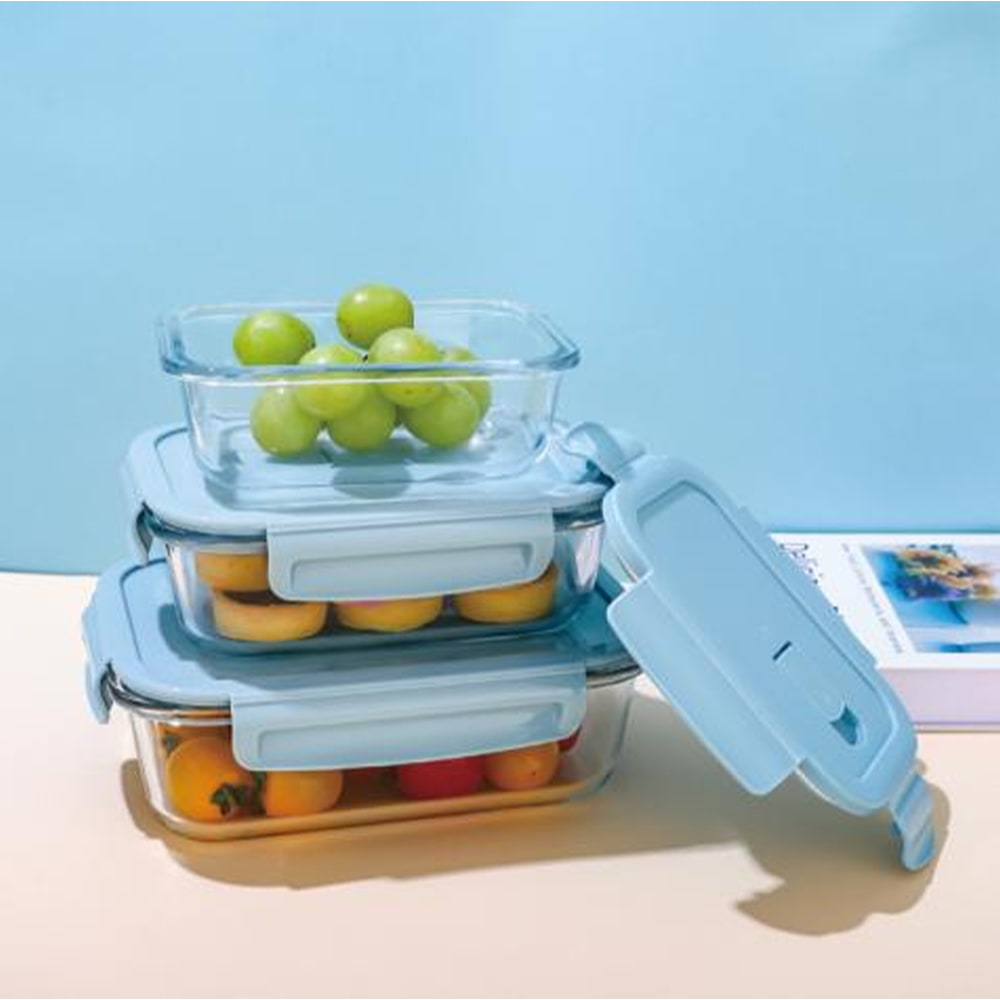
The method you use to treat apple slices matters, but the container you pack them in has an almost equally large effect on how they look by lunchtime. The goal is to minimize air contact, maintain a cool temperature, and prevent the slices from shifting around and bruising against each other.
Airtight Containers vs Zip-Lock Bags
A rigid, airtight container is better than a zip-lock bag for most situations. When you place apple slices in a rigid container and press out any extra air before sealing, you create a low-oxygen environment that slows browning from the outside in addition to whatever treatment you applied to the surface. Zip-lock bags trap a significant amount of air even when squeezed, and the flexible walls allow the slices to move and bruise.
If you use a zip-lock bag, remove as much air as possible before sealing. One technique is to submerge the nearly-sealed bag in a bowl of water up to the opening — the water pressure pushes out remaining air — then seal. This improvised vacuum sealing technique works well when a vacuum sealer is not available.
The Role of Temperature in the Lunch Box
Cold significantly slows enzymatic browning. PPO enzyme activity drops substantially below 40°F (4°C) and essentially stops near freezing. This means that pairing any of the anti-browning treatments with an ice pack or insulated lunch box extends the effective life of the treatment considerably.
A treated apple slice kept at room temperature may brown noticeably in 4–6 hours, but the same slice kept at 40°F in an insulated lunch box can remain appetizing for 8–10 hours. For school lunches that need to survive a full morning before the lunch period, this distinction is significant.
If your child's school does not allow ice packs, consider packing a small frozen water bottle alongside the apple slices. It doubles as a cold drink and acts as an ice pack for the first 2–3 hours.
Sectioned Lunch Boxes and Bento-Style Containers
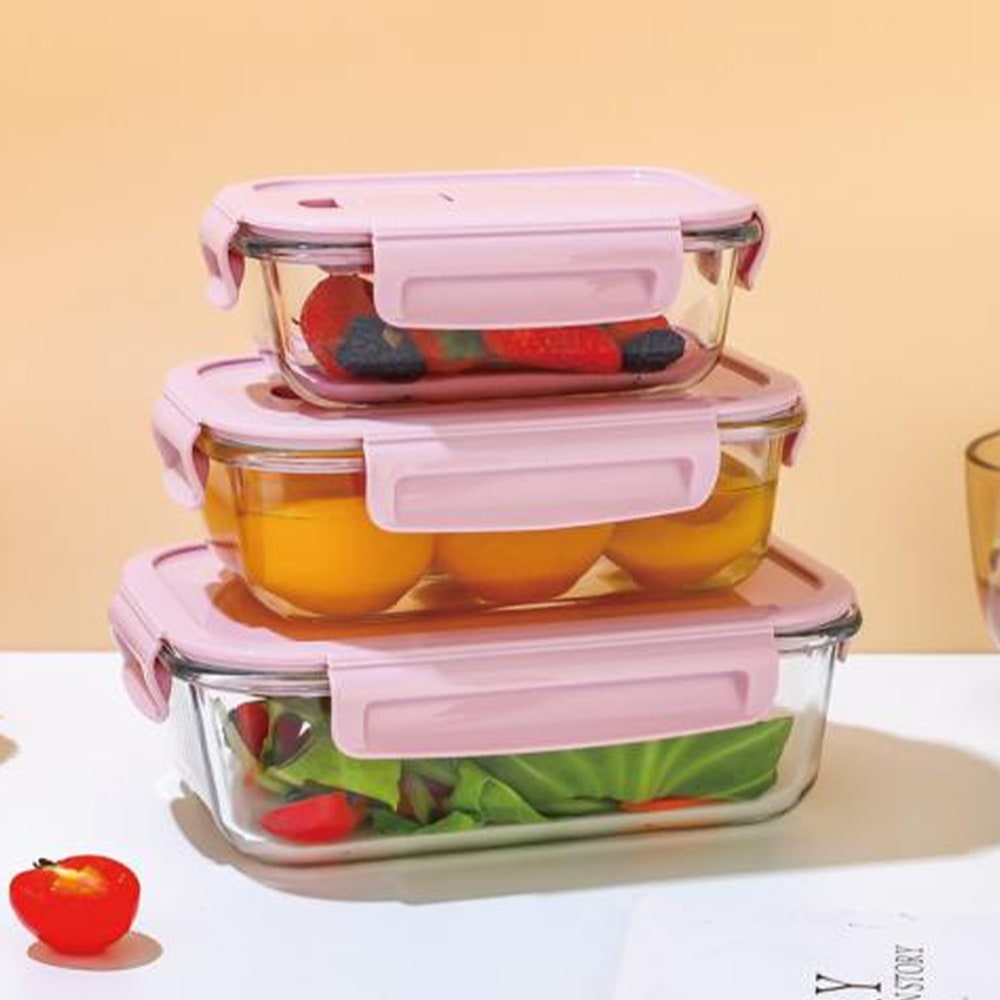
Bento-style lunch boxes with separate compartments are excellent for packing apple slices because they prevent the slices from pressing against other foods — especially acidic items like citrus or tomatoes that can transfer flavors — and allow the slices to sit without being crushed. Many modern bento lunch boxes have snap-lock lids that create a reasonably airtight seal around each individual compartment. If apple slices share a compartment with dips like peanut butter or caramel, the exposed dipping surfaces brown faster, so it is better to use a separate compartment.
Glass vs Plastic Containers
Glass containers with silicone-sealed lids (such as Pyrex or Weck jars) tend to create a better airtight seal than most plastic containers because the lid presses down on the rim evenly and does not warp over time. However, glass is heavier and can break, which makes it less ideal for children's lunch boxes. BPA-free plastic containers with locking clip lids — such as those by OXO, Rubbermaid Brilliance, or Sistema — are a practical compromise and perform well.
Which Apple Varieties Brown the Slowest
If you regularly pack apples in a lunch box and want to reduce the hassle of treating slices, choosing a slow-browning apple variety is one of the easiest adjustments to make. Not all apples brown at the same rate, because PPO enzyme levels vary by variety.
Slow-browning varieties: Fuji, Gala, Honeycrisp, Pink Lady, Braeburn. These varieties have lower natural PPO activity and tend to stay fresh-looking for longer after cutting. Fuji apples in particular are known for slow browning and hold their texture well in a lunch box.
Fast-browning varieties: Granny Smith, McIntosh, Red Delicious, Empire. These varieties are perfectly delicious but brown noticeably faster. If you prefer these apples, the treatments above become more important.
Arctic Apples (non-browning): Developed by Okanagan Specialty Fruits, Arctic Apples are genetically engineered to produce very little PPO. Available in Golden Delicious, Granny Smith, and Fuji varieties, they are sold pre-sliced in some grocery stores. A sliced Arctic Apple left uncovered at room temperature shows minimal browning even after several hours. If you can find them, they are the ultimate solution for lunch box use.
Practical Tips for Packing Apple Slices in the Lunch Box Every Day
Slice Right Before Packing
The more time passes between cutting and packing, the more browning has a head start. Treat and pack apple slices as close to departure time as possible. If you are doing morning prep, cutting and treating the apple is one of the last steps before zipping the lunch box.
Prepare Slices the Night Before
If your mornings are too rushed for extra steps, the salt water soak or ascorbic acid methods are your best choices for overnight prep. Soak the slices, drain and rinse well, place them in an airtight container, and refrigerate. By morning they should still look nearly as fresh as when you cut them. Avoid the honey method for overnight prep — the honey can make the slices slightly sticky and the texture can soften somewhat by morning.
Dry the Slices Before Packing
After any soak, pat the slices gently with a paper towel or kitchen towel before placing them in the lunch box container. Excess moisture in the container creates a humid environment that accelerates spoilage and can affect the texture of the slices by lunchtime. Dry slices also hold up better against other lunch box items.
Use an Ice Pack Every Time
As discussed above, temperature is one of the biggest variables. An ice pack is the single most effective upgrade you can make to your lunch box routine for keeping apple slices fresh. Slim, reusable ice packs fit easily in most lunch boxes and can be refrozen every evening. Some lunch boxes — particularly those marketed as insulated or as bento-style — include built-in cooling compartments or pockets for slim ice packs.
Combine Methods for Best Results
For the most reliable results, use a combination approach. For example: soak slices briefly in diluted lemon juice, drain and pat dry, pack in an airtight container with an ice pack in an insulated lunch box. The chemical treatment handles the enzymatic pathway, the airtight container reduces oxygen, and the cold temperature slows all enzymatic activity. Together, these three factors provide significantly better results than any one alone.
Pack Apple Slices Separately from Acidic or Wet Foods
Tomatoes, oranges, yogurt, and other wet or acidic foods can transfer flavors or moisture to apple slices when they are packed in the same compartment. In a well-designed lunch box with separate, sealed sections, this is not an issue. In a single-compartment lunch box, wrap or bag the apple slices individually before adding them alongside other foods.
Common Questions About Keeping Apple Slices Fresh
Does wrapping in plastic wrap actually help?
Yes, pressing plastic wrap tightly against the cut surfaces of apple slices — with no air gaps — does reduce browning by limiting oxygen contact. It works less reliably than an airtight container, because it is difficult to achieve a fully oxygen-free wrap, and any gap lets air in. However, as part of the rubber band or reassembly method, wrapping the outside of a reassembled apple in cling wrap can add another layer of protection.
Is browned apple safe to eat?
Yes. Enzymatic browning is a cosmetic change, not a safety issue. Browned apple slices are perfectly safe to eat and taste the same as fresh ones, though the texture can become slightly softer over time. The main reason to prevent browning in a lunch box is appearance and palatability — many children will refuse to eat an apple that looks brown, even if it tastes fine.
Can you freeze apple slices to keep them fresh?
Freezing stops browning completely, but it changes the texture of apple slices irreversibly — they become mushy when thawed. Frozen apple slices are suitable for smoothies, baking, or sauces, but not for a lunch box where you want crisp, fresh-tasting fruit. The one partial exception is packing frozen apple slices in a lunch box in the morning — they will thaw slowly and be cool and slightly firmer by lunchtime, while also acting as a mini ice pack for surrounding foods. This is a creative workaround, but the texture will still be softer than fresh.
Does orange juice work the same way as lemon juice?
Orange juice does contain citric acid and ascorbic acid, so it does slow browning, but it is considerably less acidic than lemon juice (pH around 3.5–4.0 vs. 2–3 for lemon juice). This means it is somewhat less effective. It also contains more sugar, which can make slices feel slightly sticky. It works in a pinch, but lemon juice is a more effective choice. Grapefruit juice, being more acidic than orange juice, performs better than orange and closer to lemon.
How long can you store treated apple slices in the refrigerator?
Apple slices treated with lemon juice or ascorbic acid and stored in an airtight container in the refrigerator can stay fresh and non-brown for 3–5 days, according to the USDA FoodKeeper App. Salt-water-treated slices stored similarly can last a comparable amount of time. This makes batch preparation practical — cut and treat a large quantity at the start of the week, then pull from the refrigerator each morning to pack the lunch box.
Do commercial pre-sliced apples use the same methods?
Most commercial pre-sliced apples — such as those sold in snack packs at grocery stores — are treated with a combination of calcium ascorbate (a form of vitamin C combined with calcium), citric acid, and modified atmosphere packaging (MAP). MAP involves replacing the air inside the package with a mixture of gases (typically nitrogen and carbon dioxide) that slow oxidation dramatically. This is why commercially pre-sliced apples can look fresh for days or even weeks. Home methods approximate these effects, but without modified atmosphere packaging, the window is shorter — typically hours rather than days.
Can you use apple cider vinegar instead of lemon juice?
Yes. Apple cider vinegar is acidic enough (pH around 2–3) to slow PPO activity significantly. Use 1 tablespoon per cup of water, same as with lemon juice. The flavor imparted is tangy and slightly vinegary — some people enjoy it, others find it too sharp. White vinegar works the same way chemically but gives a sharper flavor. For a lunch box intended for children, lemon juice, pineapple juice, or honey water are generally more palatable choices.
Putting It All Together: A Routine for Perfect Lunch Box Apples
Keeping apple slices fresh in a lunch box is not complicated once you have a method and a setup that works for your routine. The core principles are simple: reduce the pH of the cut surface, limit oxygen exposure, and keep the temperature low. Any one of these steps helps; all three together produce results that genuinely last a full day.
- Choose a slow-browning apple variety like Fuji or Gala when possible.
- Cut the apple as close to packing time as you reasonably can.
- Soak slices for 3–5 minutes in diluted lemon juice, diluted salt water, or honey water — depending on flavor preference.
- Drain and pat the slices gently dry.
- Pack into an airtight rigid container, pressing out any air before sealing.
- Include an ice pack or place the container in an insulated lunch box.
- Pack the apple container in a separate compartment from wet or acidic foods.
Follow these steps consistently and you will rarely encounter brown apple slices in a lunch box again. The method takes under two minutes and adds almost no time to the average morning routine once it becomes a habit.
Recommended Products
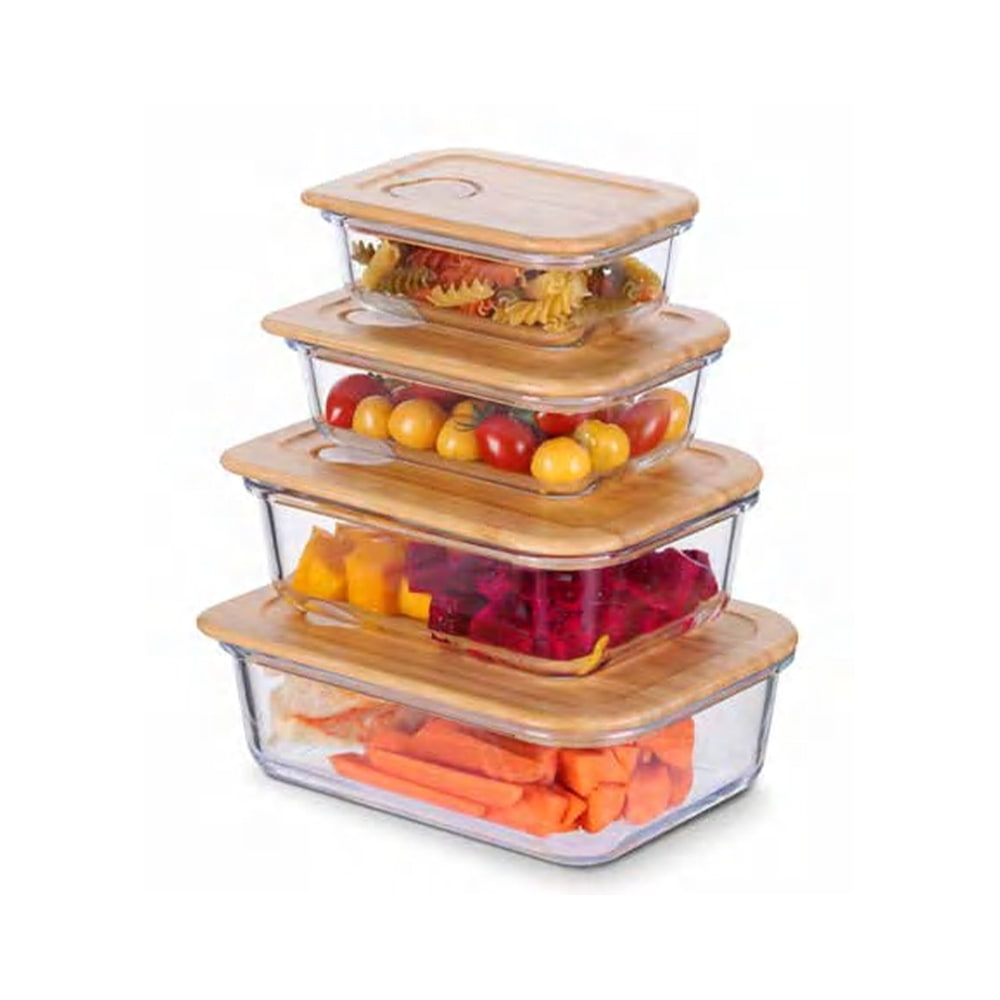


- PRODUCT
- Glass Storage Jar
- Glass/Stainless Steel Drinking ware
- Kitchen Seasoning Containers
- Home Decoration
- QUICK LINKS
- Products
- About Us
- Manufacture
- ODM/OEM
- News
- Contact Us
- CONTACT US
-
-
 7 Crystal Boulevard xi’an Feng Town, Baoying County,Jiangsu, China.
 -
 WhatsApp:
+86-15005252638 -
 +86-15005252638
+86-18083766162
+86-15895746638
+86-0514-8866-8898
-
 joy@nchousewares.com
Jack@nchousewares.com
julia@nchousewares.com
-
- CONTACT

